
Verified ContributorProfile claimed
Jessica Alvarez
Founding Member at XMAQUINA
Contributor overview
Published articles
Total upvotes


Founding Member at XMAQUINA
Founding delegate and CMO at XMAQUINA leading marketing and branding for the DAO and the DEUS ecosystem.
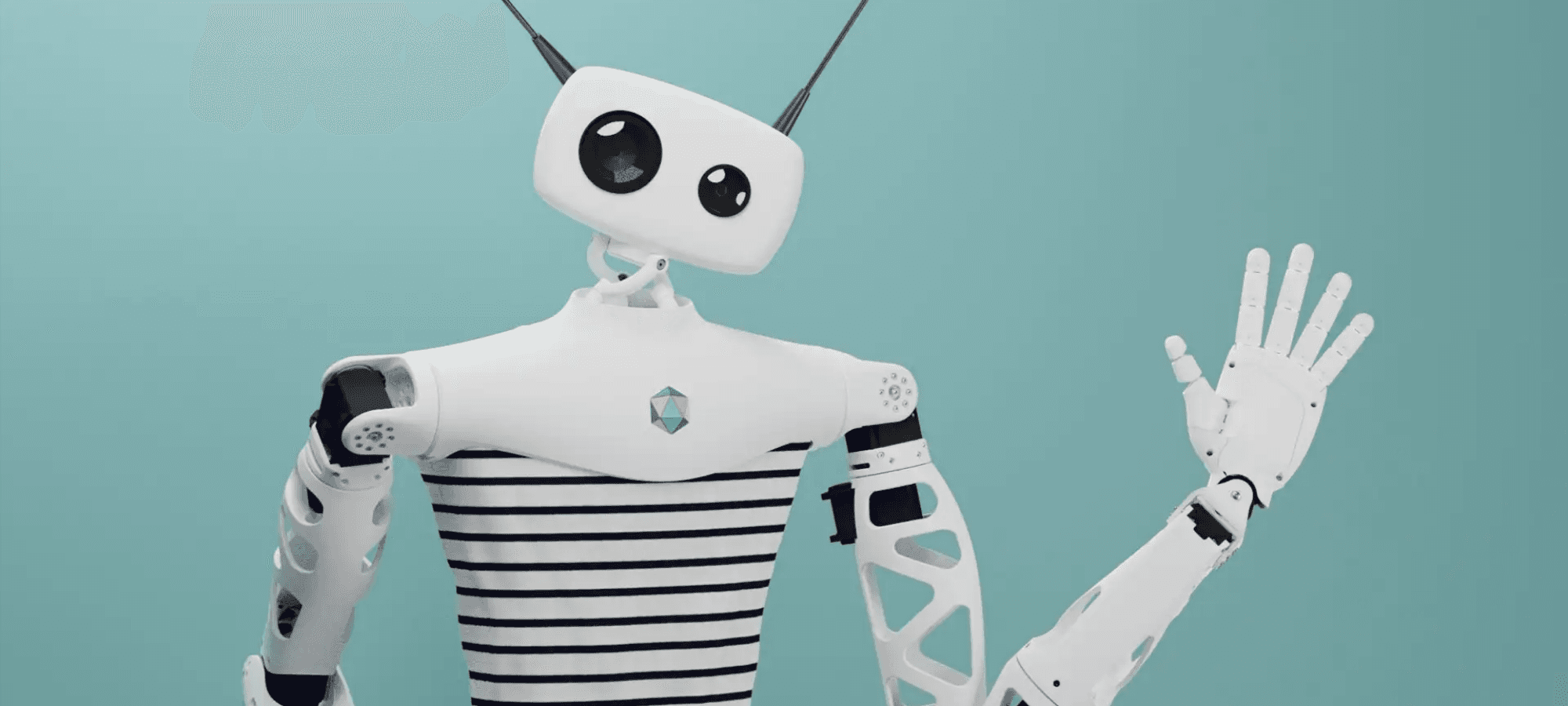
Why demographic decline, industrial policy and capital flows are turning humanoids into the next layer of economic infrastructure.
 Jess Alvarez
What Neura’s 4NE‑1, Neuraverse and fresh capital reveal about Europe’s bid to lead humanoid robotics.
Jess Alvarez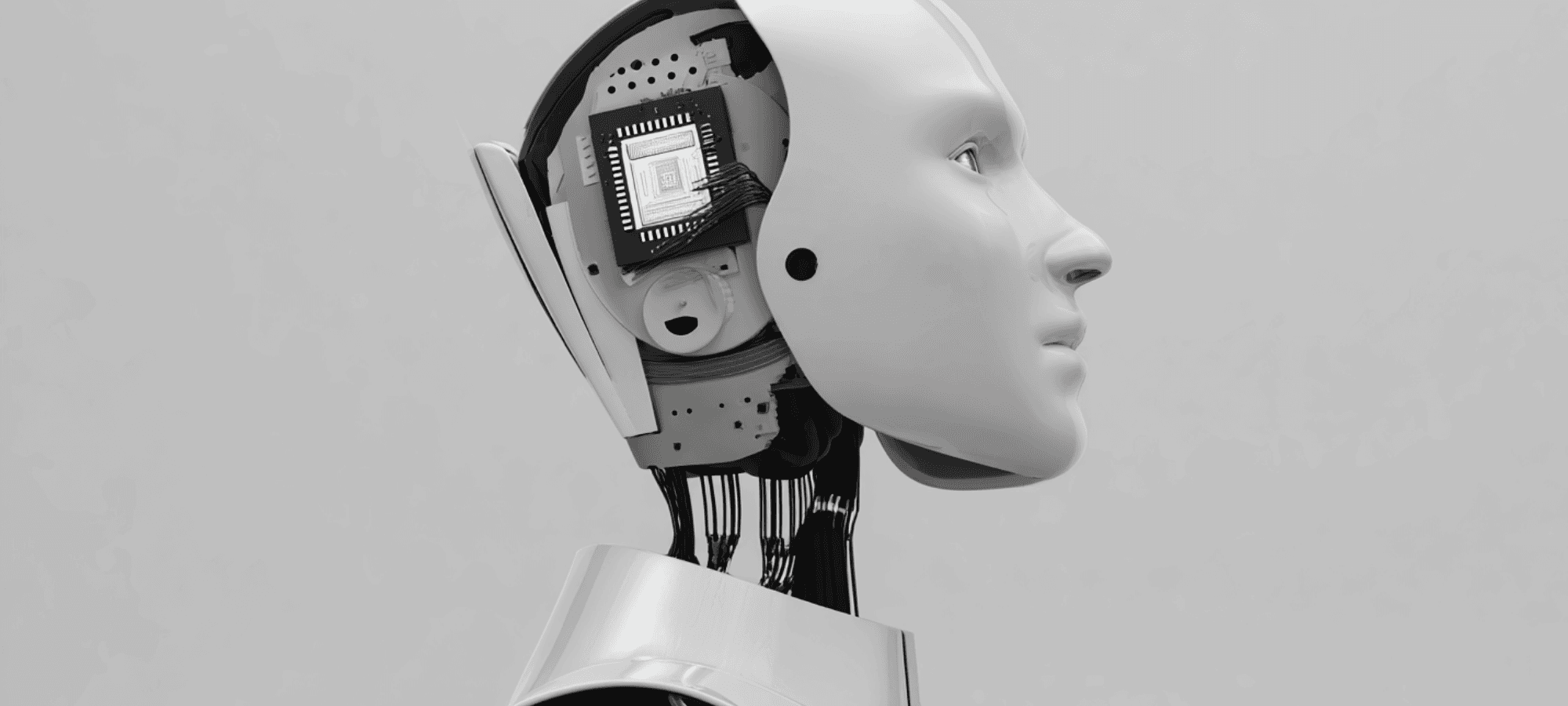
A look at Etched’s transformer‑only ASIC and what it means for data centers, humanoid robots, and the next phase of AI infrastructure.
Jess Alvarez
The companies defining the control stack and the humanoid hardware that will anchor the next decade of automation.
Jess Alvarez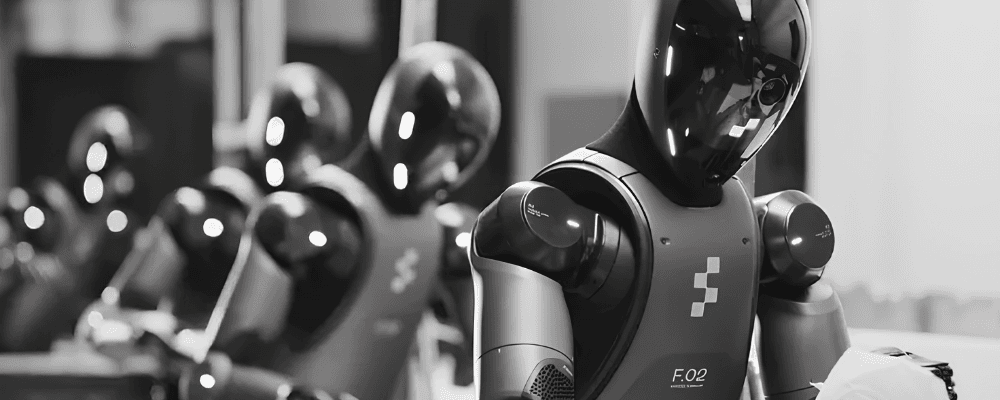
Inside the dominant humanoid platforms and what they are actually doing this year.
Jess Alvarez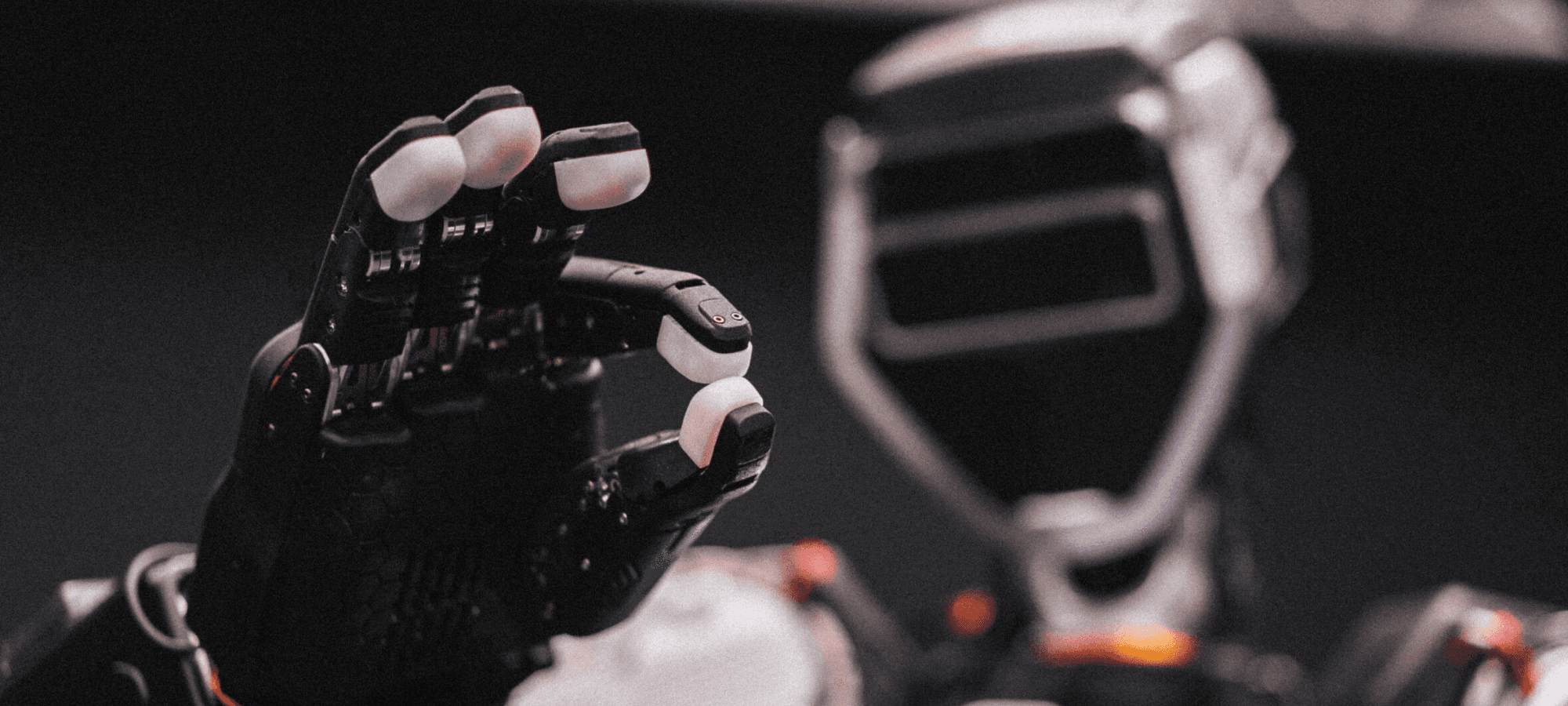
How a Canadian humanoid company turned dexterity and patents into real leverage in physical AI.
Jess Alvarez
How next generation chips and foundation models will quietly decide which humanoids win.
Jess Alvarez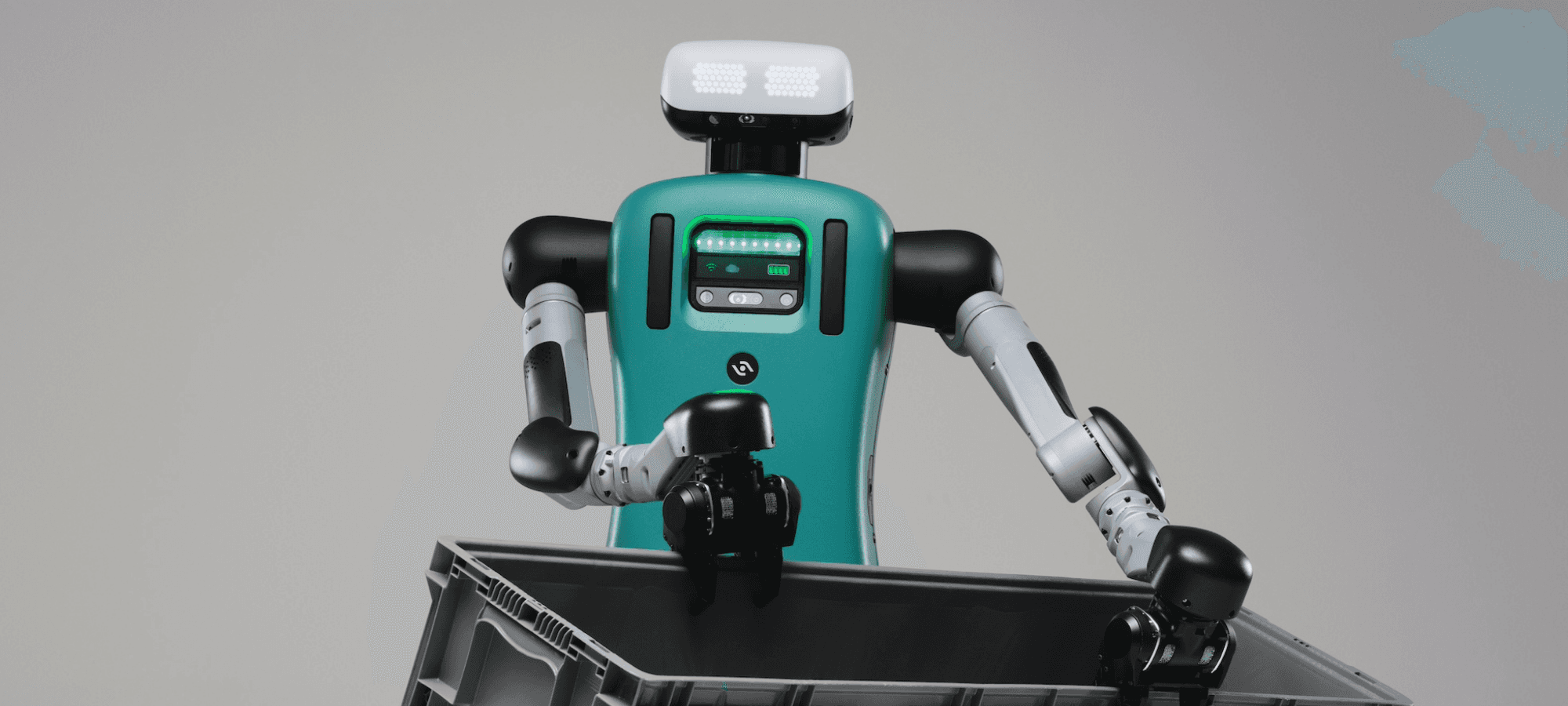
Digit is emerging as one of the first humanoid robots that warehouse operators can plug into live logistics workflows with predictable performance.
Jess Alvarez
A look at how 1X uses NEO to learn from domestic work, refine world models, and push humanoid robots toward practical, safe deployment in real homes.
Jess Alvarez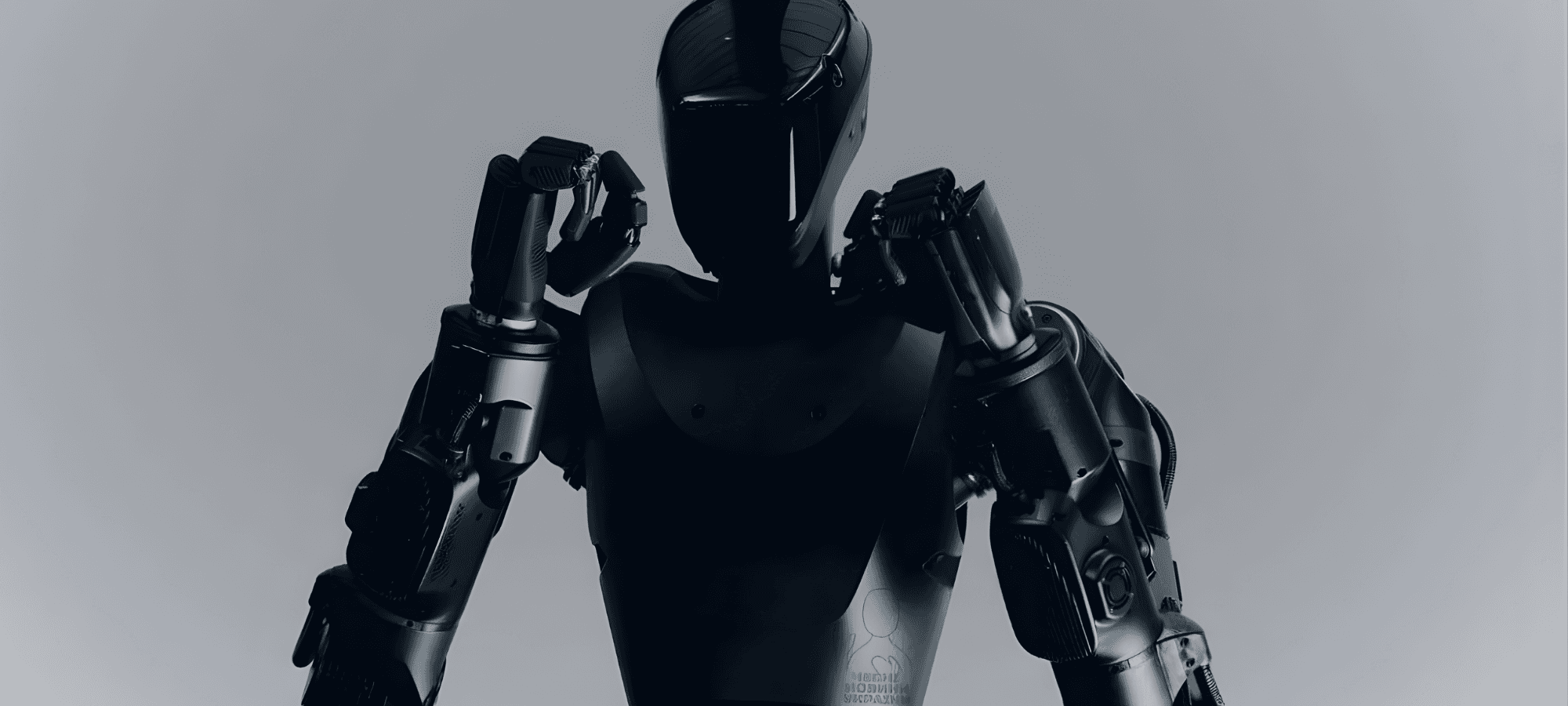
Why a nightclub DJ set from Phantom MK1 is more than a stunt and what it reveals about the next phase of humanoid robots in industrial and military settings.
Jess Alvarez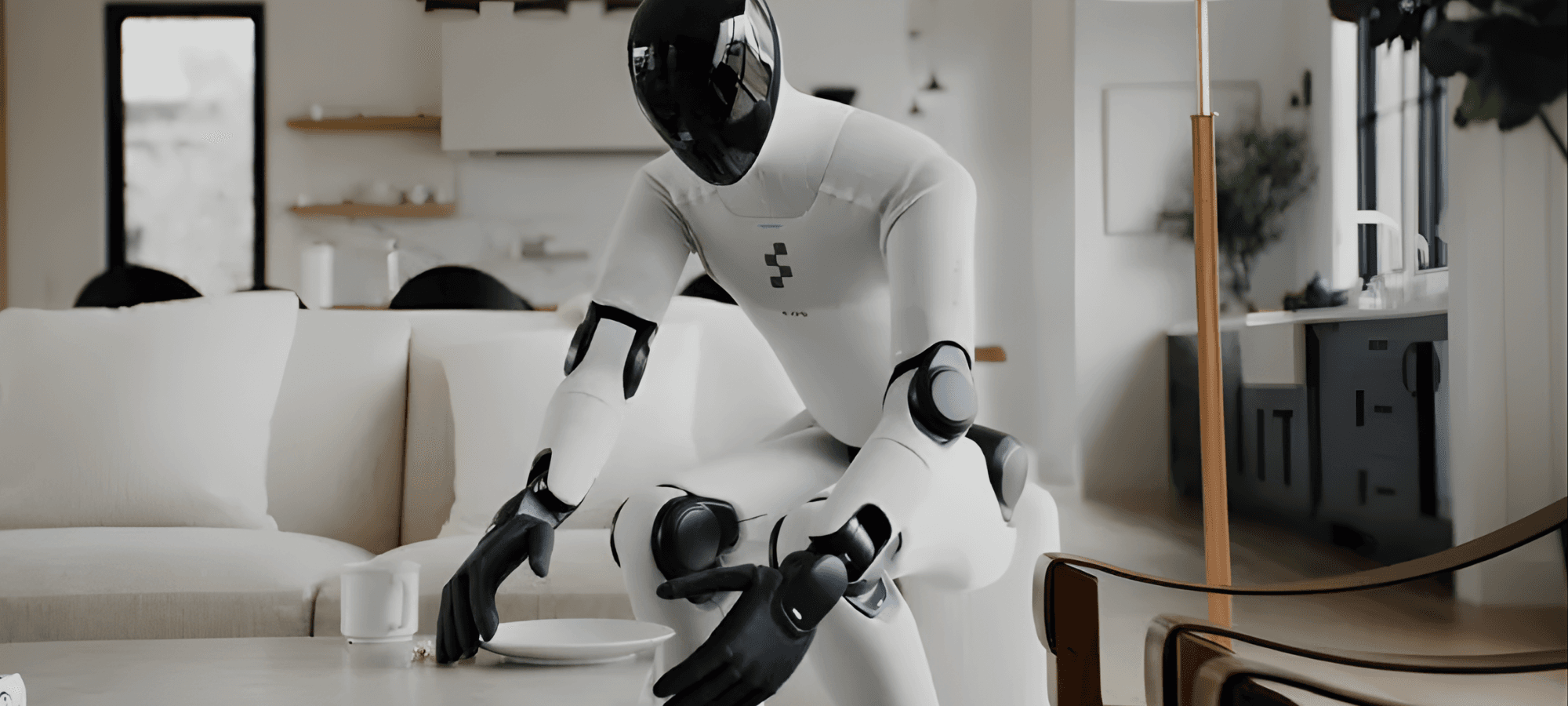
Home robots will not reach mass adoption until embodied AI can learn from enough real world data to work reliably in everyday homes.
Jess Alvarez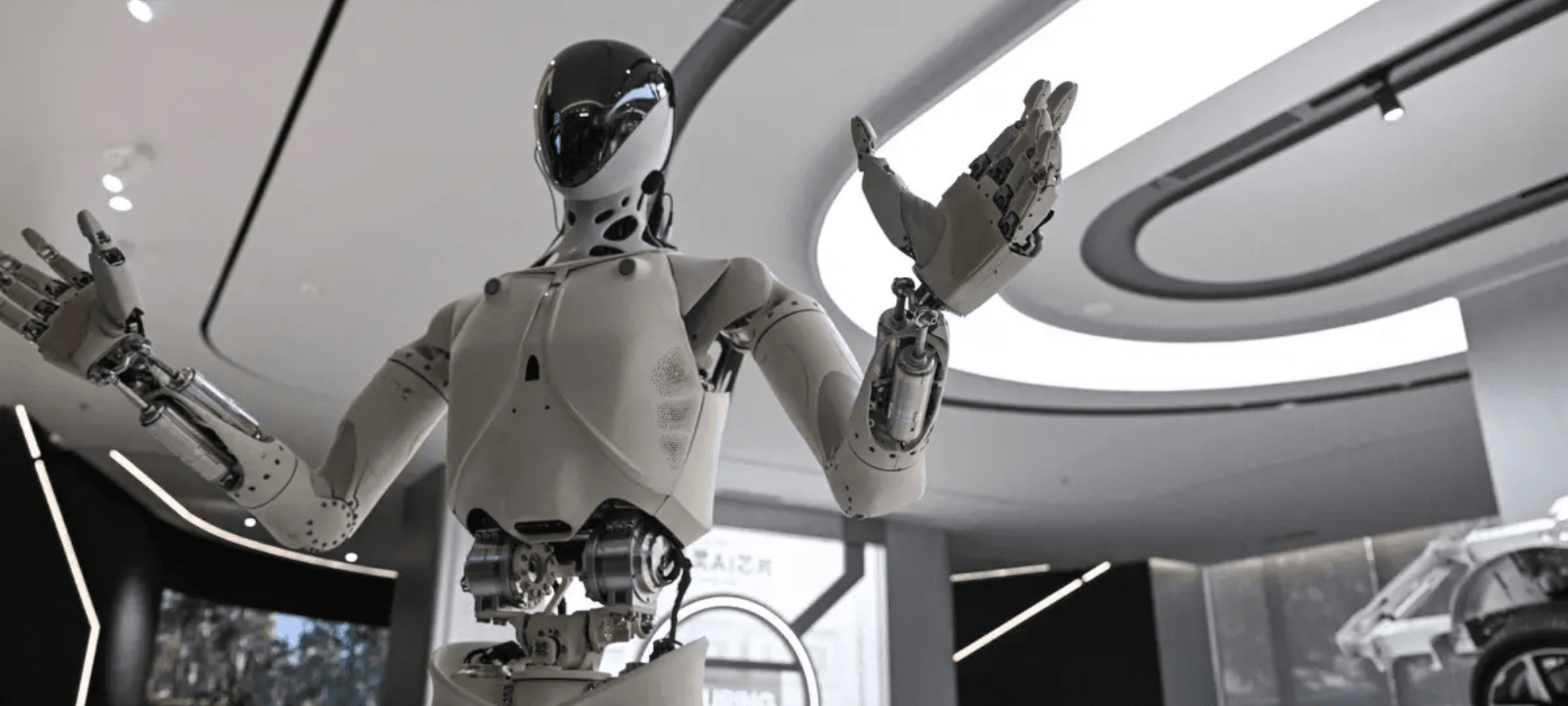
Humanoid robots are becoming the standard endpoint that lets software act directly in the physical world, turning warehouses, factories and hospitals into programmable environments.
Jess Alvarez
How a data-rich, omni-bodied foundation model is quietly becoming the default intelligence layer for humanoids, logistics fleets, and construction robots worldwide.
Jess Alvarez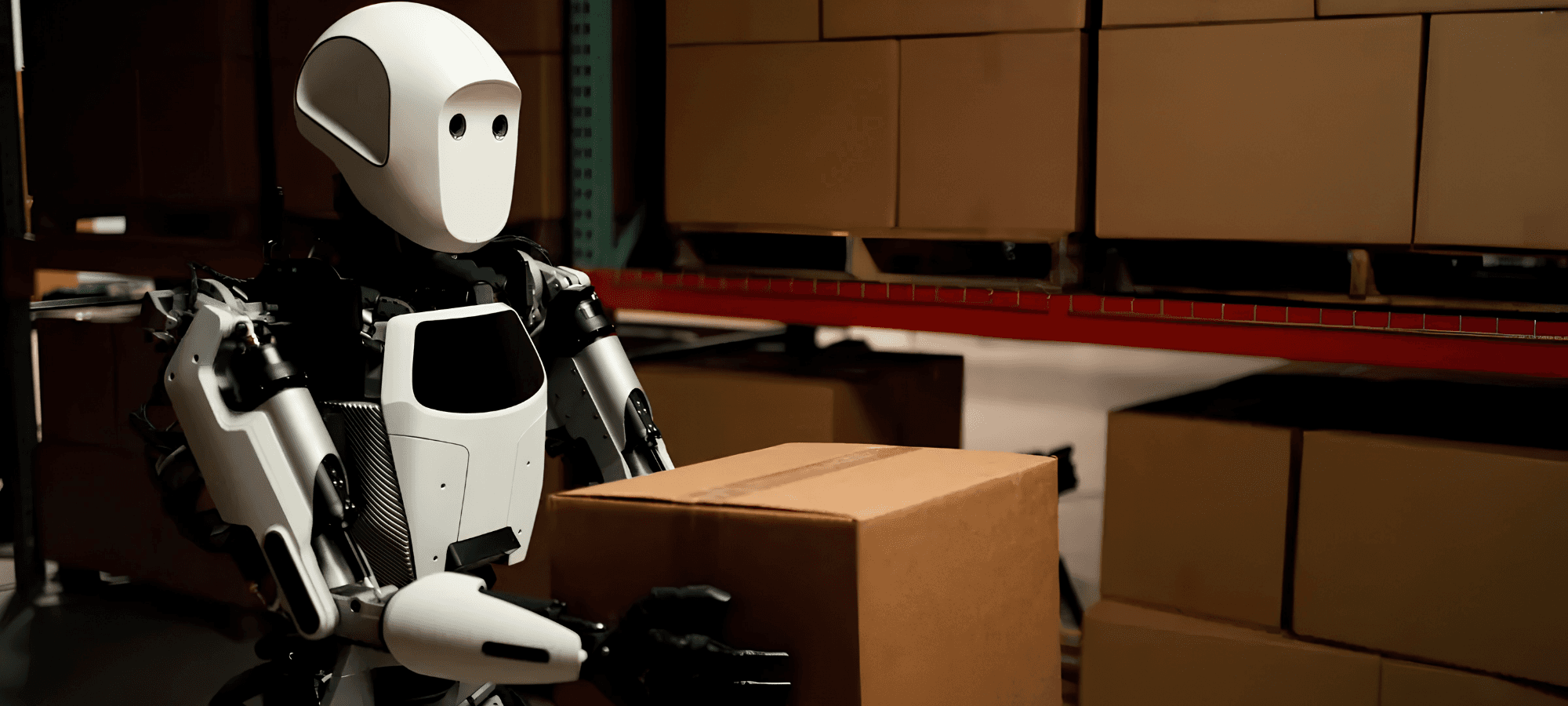
Inside Apollo, the NASA‑inspired humanoid that aims to turn humanoid robots into standard equipment for logistics and production lines.
Jess Alvarez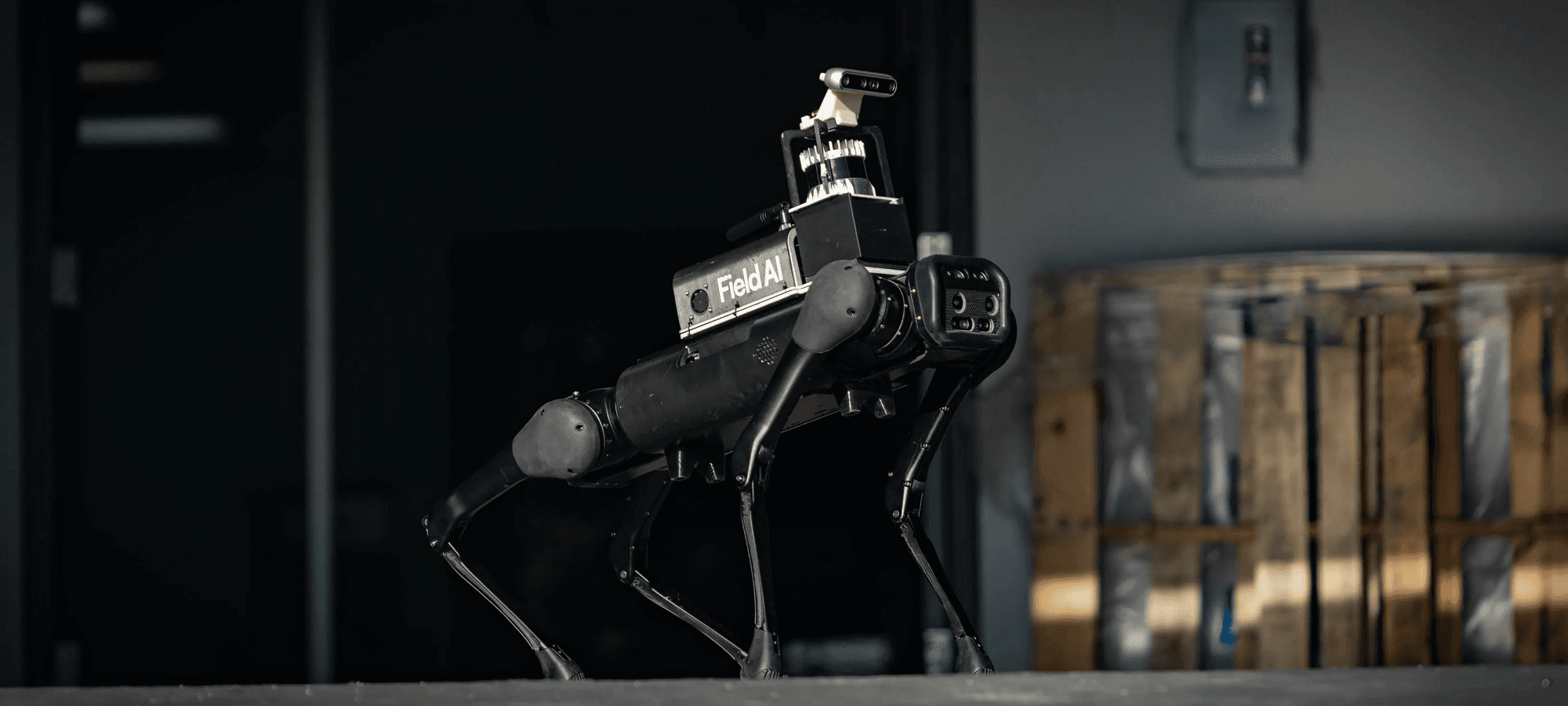
Physical Intelligence retrofits vision-language models. Skild AI scales imitation learning. FieldAI took a third road, one that starts from the physics of being wrong, and treats risk as a first-class citizen of the model.
Jess Alvarez
In eighteen months, FieldAI went from stealth to unicorn without shipping a robot. The cap table reads like a conviction vote on a very specific thesis: in robotics, the brain is worth more than the body.
Jess Alvarez