
From research roots to targeted deployment
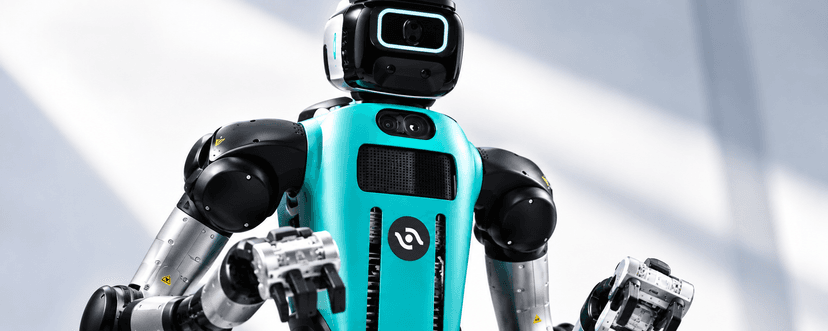
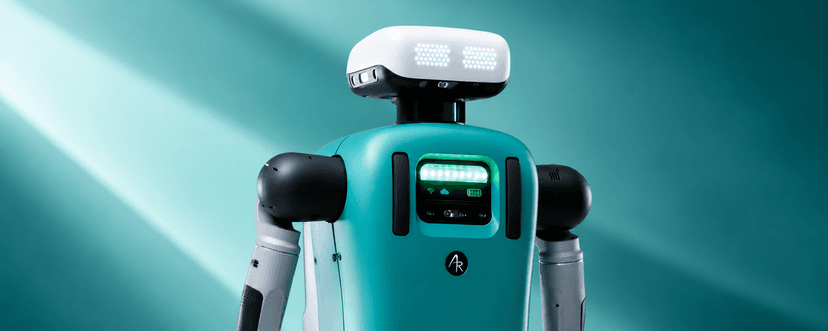
Digit from Agility Robotics originates from years of legged robotics work at Oregon State University and was shaped early on by Cassie, a bipedal platform that proved out efficient, bird‑inspired locomotion. Rather than chasing every possible use case, the team narrowed Digit’s focus to warehouse automation, zeroing in on dynamic material handling tasks that demand both mobility and manipulation in spaces built for people.
That positioning matches where the market is actually spending. Logistics remains the single largest deployment vertical for advanced robotics, with heterogeneous fleets of AMRs, robotic arms, and now humanoids orchestrated together to squeeze more throughput out of constrained facilities. Analysts see logistics and warehouse robots as a multibillion‑dollar growth engine through 2030, and humanoids are beginning to slot into that narrative as a specialized tool for brownfield automation rather than a universal solution.
What Digit delivers on the floor
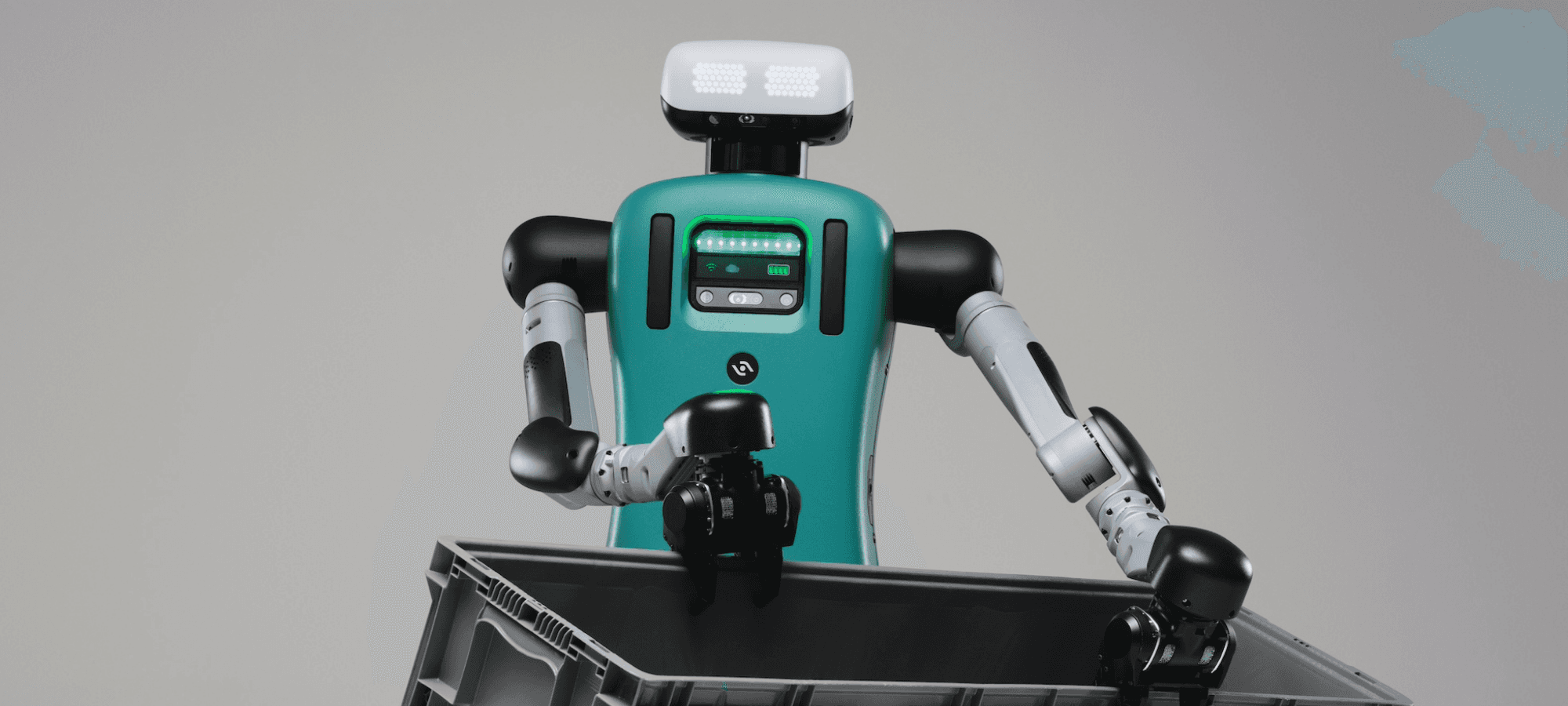
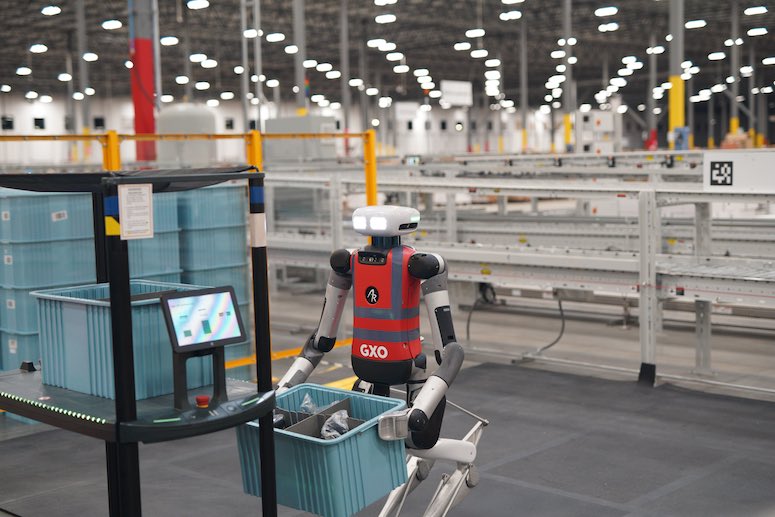
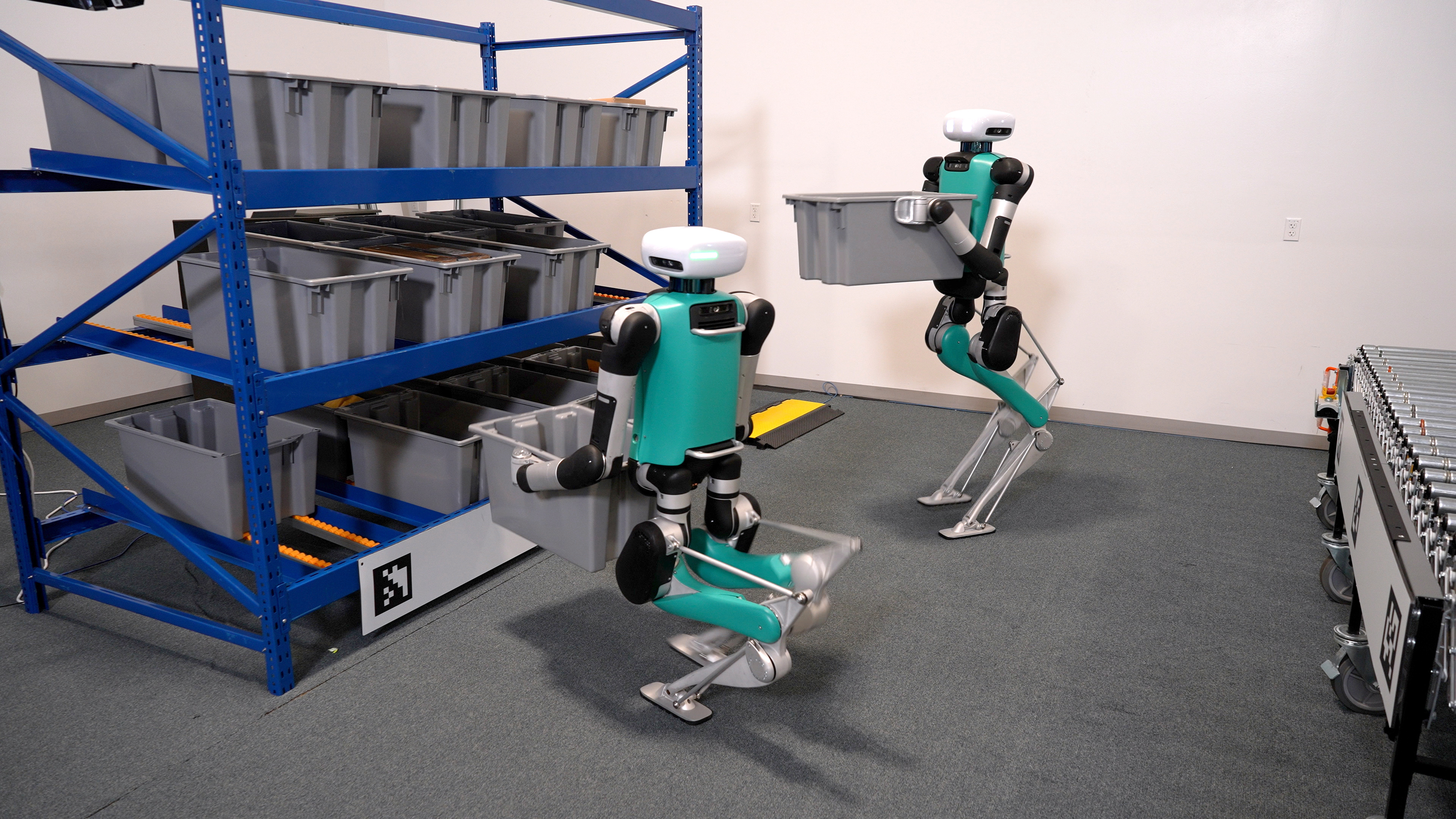
The clearest proof point comes from real performance data. At a GXO site in Georgia Digit has already moved more than 100,000 totes in day‑to‑day operations, a number that encodes uptime, safety, and repeatability rather than choreographed demos. Its workload is straightforward to describe but hard to sustain at human cost structures lifting totes from storage positions, handing them off to conveyors, and repeating that motion pattern for hours without fatigue.
Amazon is running a similar pattern in its fulfillment network using Digit for tote recycling in standard aisles alongside its existing fleet of over one million robots. Here the test is integration. Can a humanoid match the pace of a high‑volume fulfillment center without forcing layout changes or new fixed infrastructure. If the answer continues to be yes, Digit becomes an attractive way to automate the “in between” work that sits outside traditional goods‑to‑person systems.
The machine, the software, and the model
On paper Digit is a human‑scale humanoid built for logistics: about 1.75 metres tall, 65 kilograms in weight, walking at roughly 5 kilometres per hour with a 16 kilogram payload and a sensing stack that mixes cameras and LiDAR for navigation and perception. Recent iterations tightened the industrial details: multi‑hour battery life, autonomous docking between tasks, and functional safety aligned with factory standards, all of which matter more to operations teams than viral “party tricks.”
The software and business model complete the picture. Agility’s fleet management tools let operators monitor robot status, track productivity metrics, and integrate Digit into existing warehouse management systems and AMR fleets, turning individual units into a coordinated automation layer. Commercially Digit is offered through Robotics‑as‑a‑Service structures that line up with 2026’s broader brownfield automation trend: subscription access to robotics capacity instead of heavy upfront capex, evaluated directly on cost per tote, uptime, and safety.
Scale, credibility, and where this goes next
Behind all of this sits RoboFab, a seventy‑thousand‑square‑foot facility in Salem, Oregon, designed to build Digit at volume with capacity that can reach around ten thousand units per year as demand materialises. Combined with an estimated 4,500 Digit units deployed or contracted, this puts Agility among the highest‑volume humanoid suppliers in the market and gives warehouse and 3PL customers confidence that fleets can grow beyond pilot scale.
Zooming out, the humanoid segment is still small relative to the wider industrial robotics market, but forecasts of nearly 30 billion dollars in humanoid robot value by 2036 underline how much of that upside is expected to come from logistics and manufacturing.