News & Analysis
Insights, research, and market intelligence from industry contributors.


Insights, research, and market intelligence from industry contributors.
Insights, research, and market intelligence from industry contributors.

Physical Intelligence has introduced the Pi API beta, allowing external robotics developers to train and deploy its foundation models on their own machines.
 Robotico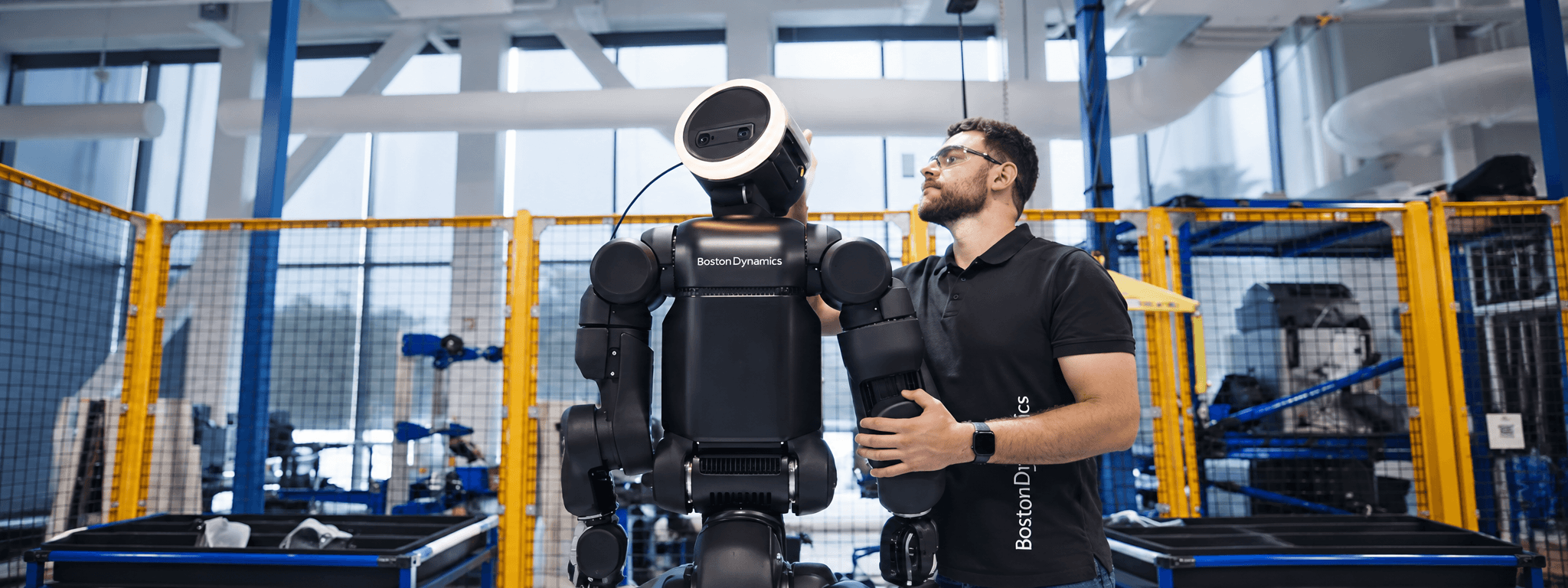
Boston Dynamics has shared a closer look at how it manufactures its Atlas humanoid robot, revealing plans to reduce assembly time from approximately one day to one hour by 2027.
Robotico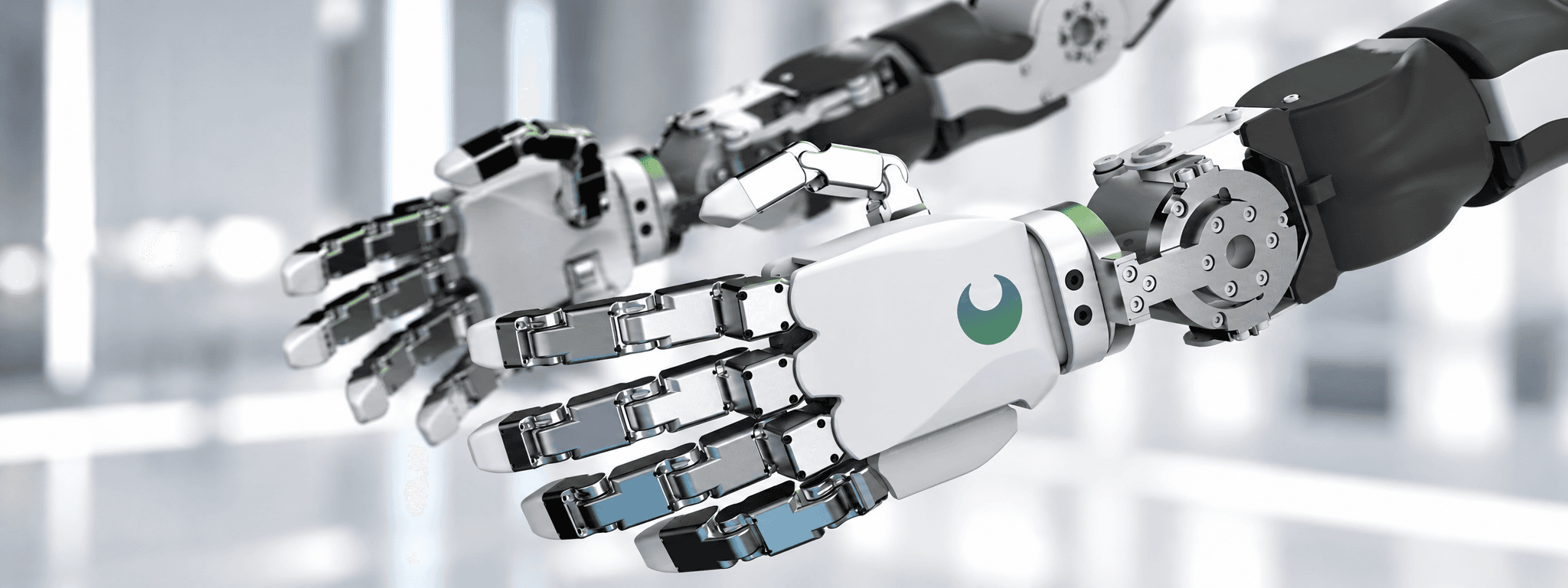
South Korean robotics company Tesollo expects cumulative sales of its robotic hands and grippers to exceed 1,000 units by the end of 2026.
Robotico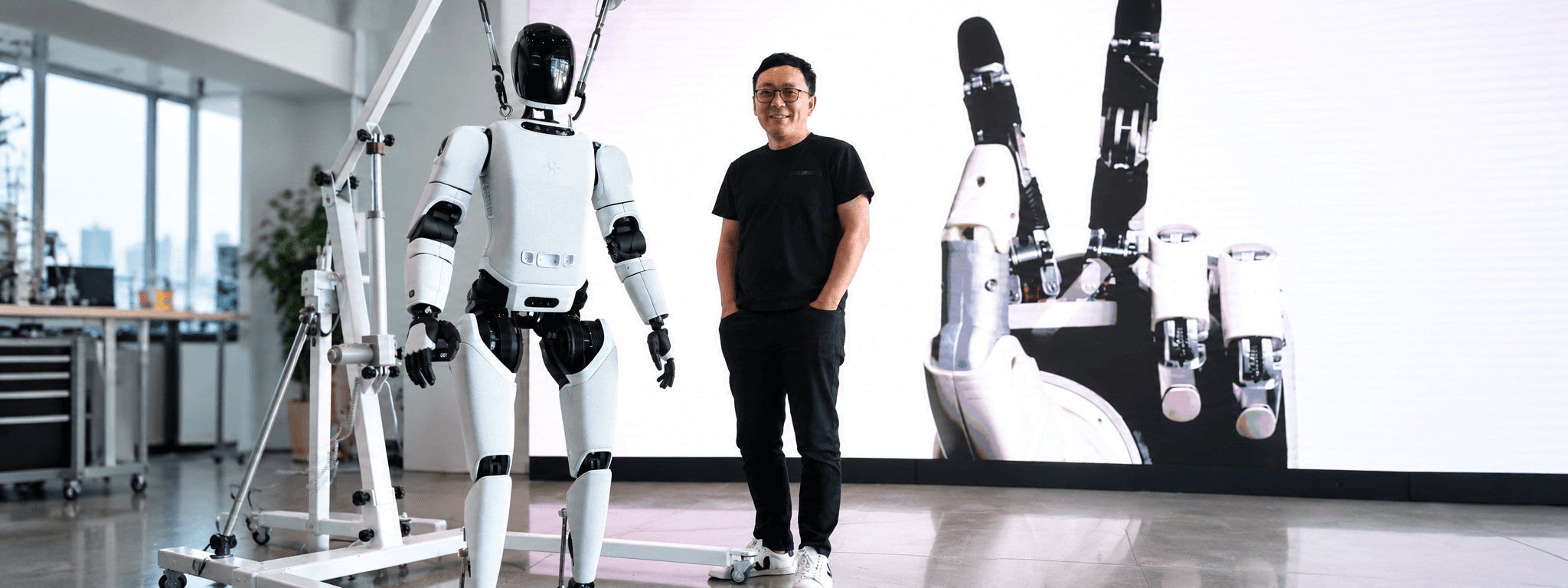
Faraday Future has signed a definitive agreement to transfer its humanoid and bionic robotics business to Nasdaq-listed FF EAI Robotics Ecosystem (FFR) in an all-stock transaction valuing the operations at approximately $200 million.
Robotico
Chinese humanoid robotics manufacturer AgiBot is reportedly nearing completion of a new financing round that could value the company at approximately ¥50 billion ($7 billion).
Robotico
NEURA Robotics has introduced Neuron AI, a new robotics foundation model designed to combine multiple forms of sensory information with memory and physical action.
Robotico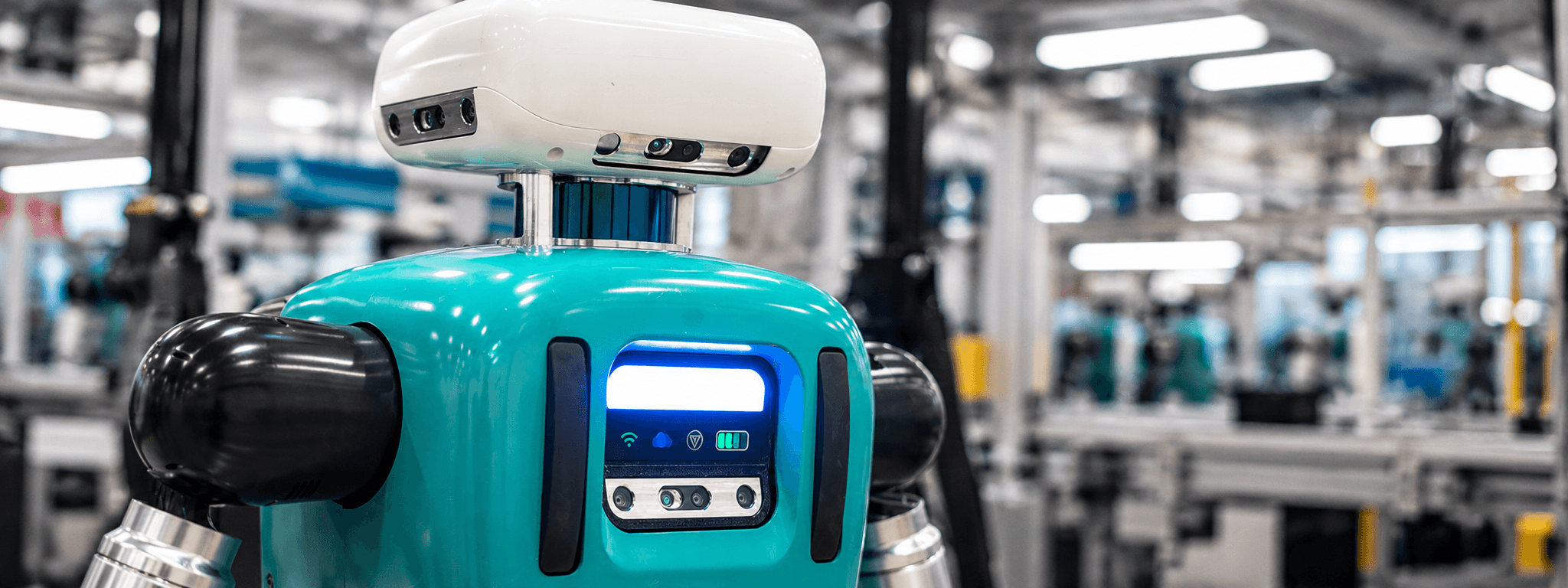
Agility Robotics has moved closer to becoming a publicly traded company after the U.S. Securities and Exchange Commission declared its registration statement effective on October 13.
Robotico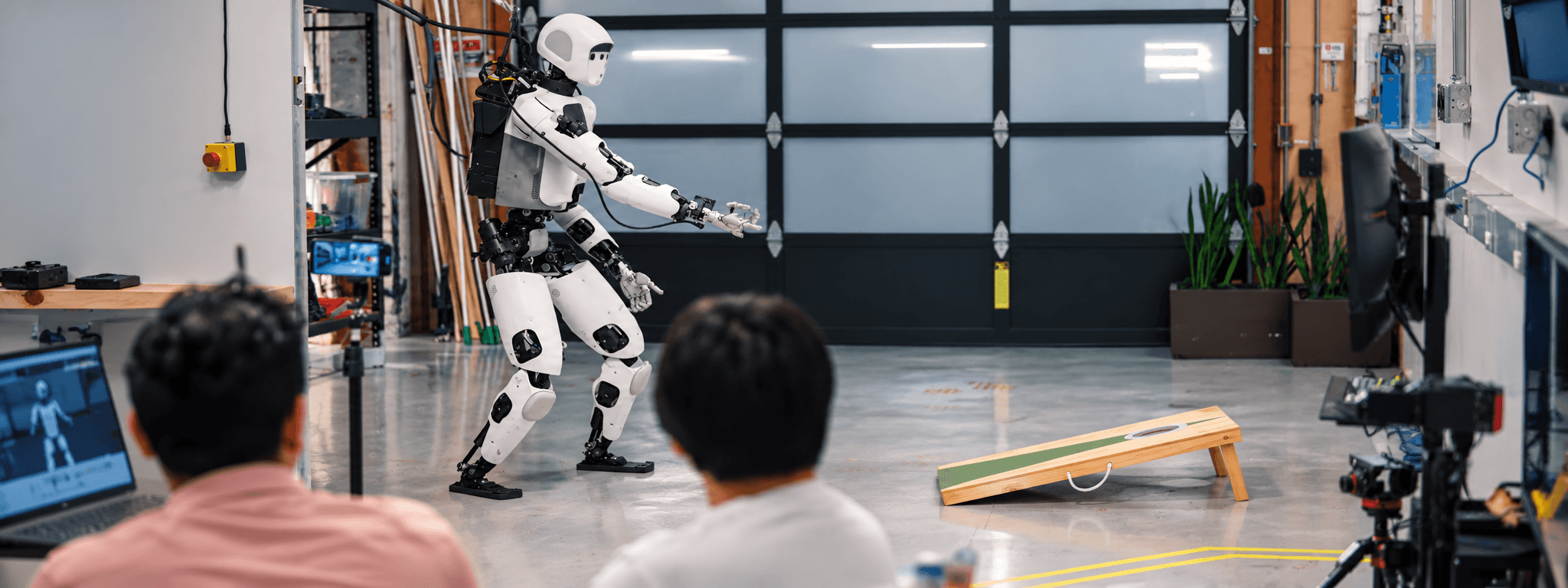
Google DeepMind has demonstrated a new approach to robot learning using Gemini 4 Argon, its latest AI model, to translate human demonstrations into physical robot movements.
Robotico


