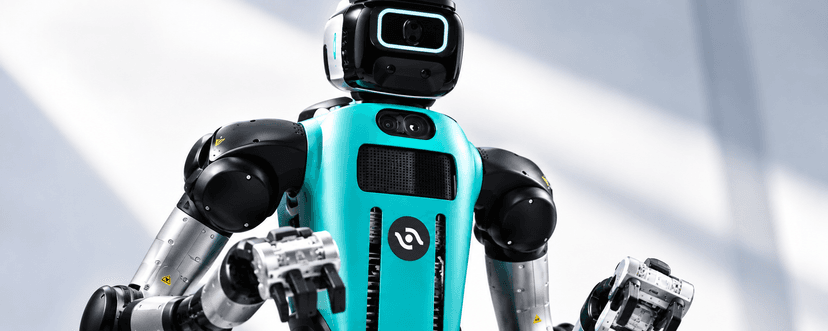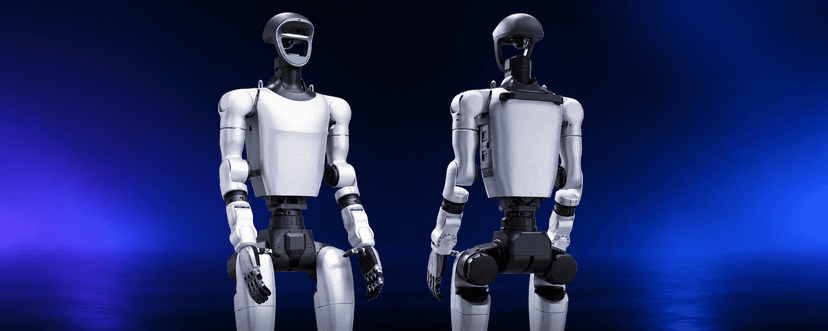

Humanoid robotics and physical AI are coalescing into a recognisable stack. At the top are “robot brains” that provide foundation models and control. Beneath them are “robot bodies” that turn those models into embodied capacity in factories, warehouses and, eventually, homes.
Robot brains companies building the control layer
These companies focus on generalist policies, world models and orchestration rather than shipping large fleets of robots themselves. They aim to become the intelligence layer that many embodiments can share.
Field AI
Field AI develops “field foundation models” trained on real industrial environments rather than repurposed language models. It positions itself as a provider of robot brains that can be dropped into different form factors and use cases, backed by several hundred million dollars of capital and a multi‑billion dollar valuation. The strategic pitch is clear. Instead of building one robot, Field wants to sell cognition to many.
Skild AI
Skild AI pursues a similar direction with its omni‑bodied Skild Brain. The company is building a foundation model for physical intelligence that can run across humanoids, quadrupeds and industrial arms, treating embodiment as a variable rather than a constraint. With more than a billion dollars raised and a valuation deep into the double‑digit billions, Skild has effectively become a software and infrastructure play on the entire robotics category.
Physical Intelligence
Physical Intelligence develops generalist policies such as π0 that can control different robots and follow text instructions while outputting low‑level motor commands. The company’s thesis is that robots should share a single core policy that can be adapted to new bodies and tasks, reducing the amount of fresh data and engineering required for each deployment. It sits in the same conceptual neighbourhood as Field and Skild, with a tighter focus on research‑driven, model‑centric development.
Mujin
Mujin occupies a slightly different place in the brains layer. Rather than a single foundation model, it provides intelligent robotics software for industrial automation, particularly in logistics and manufacturing. Its controllers handle perception, planning and motion for existing robot fleets, turning dumb arms and mobile bases into coordinated systems. For allocators, Mujin looks like a robotics operating system vendor that can benefit from rising robot density regardless of who builds the hardware.
Robot bodies companies building humanoid and embodied platforms
Below the brains sit the embodiments. These companies ship hardware or tightly integrated systems, often with their own software stacks, but hardware is central to the story.
Figure AI
Figure AI is one of the most heavily financed humanoid companies in the world. It is developing the Figure 03 humanoid, scaling production infrastructure and positioning itself as a provider of general-purpose robotic labour for logistics and manufacturing. With more than 1 billion dollars in committed capital and a valuation reported around 39 billion dollars, Figure has become the flagship private bet on humanoids at scale.
Apptronik
Apptronik is taking a more industrial and operationally grounded path. Its Apollo humanoid is designed for manufacturing and warehouse settings, with an emphasis on safety, modularity and integration into facilities that already exist. Backed by major strategic partners and large venture rounds, Apptronik looks less like a speculative concept and more like a serious attempt to make humanoids usable inside real industrial workflows.
1X Technology
1X sits closer to the home and service end of the spectrum. Through NEO and EVE, the company is pursuing safe humanoids and semi-humanoid systems that can operate in domestic, office and security settings. With support from OpenAI and other major investors, 1X represents one of the most important attempts to bring embodied AI into everyday environments rather than limiting it to logistics alone.
Agility Robotics
Agility Robotics remains one of the clearest examples of humanoid-adjacent deployment in logistics. Digit was designed around warehouse workflows from the outset, which gives the company a commercial focus that many others are still trying to establish. As it expands from logistics-native bipedal robots toward broader humanoid capability, Agility remains a key reference point for embodied labour in the warehouse economy.
Unitree
Unitree has moved from quadrupeds into humanoids with unusual speed and manufacturing confidence. Its G1, H1 and R1 platforms reflect China’s broader push for robotics self-reliance and mass-market hardware capability. Among global contenders, Unitree stands out for proving that legged robotics expertise can be translated into humanoid ambition at scale.
Sanctuary AI
Sanctuary AI is building the Phoenix humanoid as a genuinely general-purpose worker rather than a single vertical solution. Its thesis is that high dexterity hardware and a strong AI stack can eventually support a robot capable of many different forms of useful work under one control policy. For investors, Sanctuary is compelling because it is underwriting the broadest version of the humanoid thesis, namely that one machine can become steadily more useful as its software and embodied experience improve over time.
NEURA Robotics
NEURA Robotics is an important European contender because it blends humanoids with a wider family of “cognitive robots” designed for close human collaboration. Its 4NE-1 platform is only part of the story. The larger strategic move is building a robotics stack that combines industrial deployment, perception and adaptive control. That gives NEURA a more integrated European profile than many companies that focus on humanoids in isolation.
Where 2026 Leaves The Humanoid Stack
Right now in 2026 humanoids are a constant headline. New robots launch almost every week, from electric Atlas in Hyundai plants to full humanoid lineups on the CES stage and early NEO units landing with real customers. Funding has shifted with them. Nine‑figure rounds for “robot brains” and humanoid platforms are no longer outliers. They are becoming the norm.
Against that backdrop, the stack in this piece is not theory. It is a snapshot of who is actually shaping the market this year. The “brains” players are racing to become shared cognition for any robot that needs it. The “bodies” players are racing to turn that cognition into dependable work in warehouses, factories and service environments.