Commercial
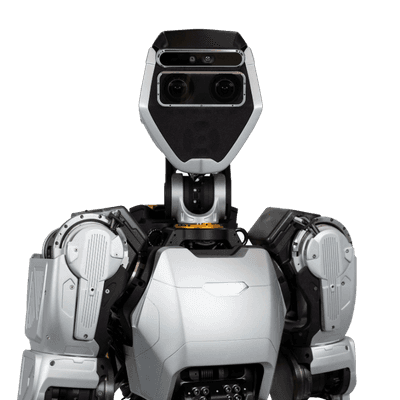
Phoenix



Canadian AI robotics company founded in 2018 in Vancouver by Geordie Rose (co founder of D Wave quantum computing) and Suzanne Gildert. Builds the Phoenix humanoid robot powered by its Carbon AI control system. Has raised over 140 million dollars in total funding.
Sanctuary AI is a Canadian robotics company developing general-purpose humanoid robots for commercial and industrial work. Founded in 2018 in Vancouver by Geordie Rose, former CEO of D-Wave, the company combines proprietary humanoid hardware with Carbon, an AI control system designed to enable robots to learn, reason, and perform a wide variety of human tasks. Its flagship Phoenix humanoid, now in its seventh generation, is designed to operate in workplaces ranging from manufacturing and logistics to retail and other service industries. Carbon allows Phoenix to acquire new skills rapidly through a combination of teleoperation, machine learning, and autonomous execution, enabling the robot to adapt to unfamiliar tasks without requiring extensive reprogramming.
Platform maturity, autonomy stack, and flagship-system specifications in one view.
A concise view of platform maturity and deployment footprint.
Capabilities and model layers highlighted by the company.
Published operating specifications for the lead system.
Standards and certifications recorded for this company.
Zeon Corporation, through its venture capital arm Zeon Ventures, invested in and partnered with Sanctuary AI to support specialized materials for dexterous robotics as Sanctuary moves toward commercial deployments.
Top Humanoid Robotics Companies To Watch In 2026
The companies defining the control stack and the humanoid hardware that will anchor the next decade of automation.
 Jess Alvarez
Private Leaders Behind the Humanoid Robotics Boom
Inside the dominant humanoid platforms and what they are actually doing this year.
Jess Alvarez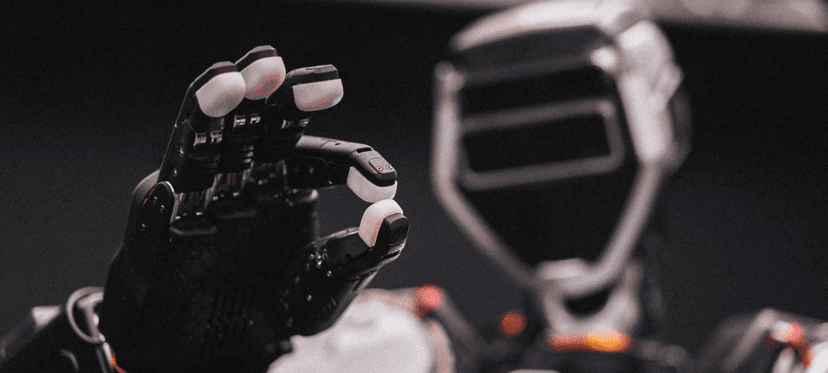
Sanctuary AI and the Robotic Touch
How a Canadian humanoid company turned dexterity and patents into real leverage in physical AI.
Jess Alvarez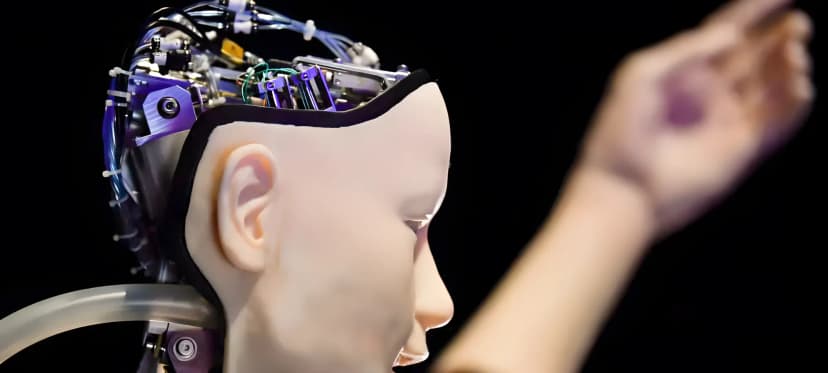
Who Owns The Brains And Minds Of Humanoid Robotics
How next generation chips and foundation models will quietly decide which humanoids win.
Jess Alvarez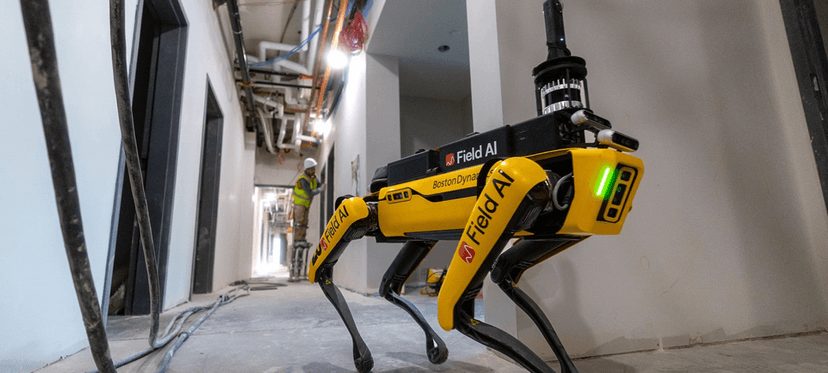
Boston Dynamics Connects FieldAI to Spot and Atlas
Boston Dynamics has owned every layer of its stack for twenty years. On March 12, 2026, it quietly admitted the autonomy race is moving faster than any vertical integrator can keep up, and handed FieldAI the keys to Spot's brain.
 Ben knaus
Track Sanctuary AI's valuation over time.
Sanctuary AI was founded in January 2018 in Vancouver by Geordie Rose, Suzanne Gildert, Olivia Norton, and Ajay Agrawal. Rose had previously co-founded D-Wave, the world's first commercial quantum computing company. The team's thesis was that the world needed robots with human-like general intelligence to address growing labor shortages.
In March 2022, Sanctuary raised $58.5 million in Series A with participation from Magna International, Bell, and Verizon Ventures. A C$30 million contribution from the Government of Canada followed. By July 2024, total funding exceeded $140 million.
The breakthrough came in May 2023 with the unveiling of Phoenix, the first complete bipedal humanoid designed entirely in-house. Alongside Phoenix, the company introduced Carbon, an AI control system that mimics subsystems of the human brain.
In late 2024, Sanctuary unveiled its seventh-generation Phoenix, featuring increased uptime, improved perception, wider range of motion, and task-learning time reduced to under 24 hours. In early 2025, Sanctuary completed its first commercial deployment.
Sanctuary AI is a Canadian robotics company headquartered in Vancouver, building general-purpose humanoid robots powered by Carbon, a proprietary AI control system designed to emulate human cognition. Founded in 2018 by Geordie Rose (former CEO of D-Wave), the company develops the Phoenix humanoid robot, now in its seventh generation. Carbon enables Phoenix to learn new tasks autonomously in under 24 hours.