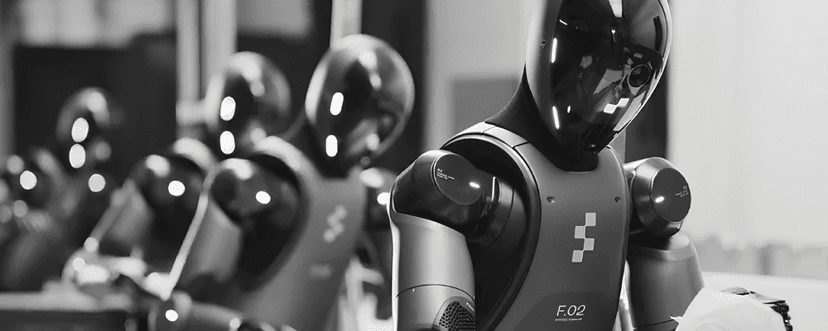

Neura Robotics has quietly become one of Europe’s strongest candidates to lead the humanoid era. Founded in 2019 near Stuttgart, it has moved from cognitive cobots to full humanoids, built its own AI stack and secured one of the largest funding packages in European robotics. Together, its 4NE‑1 humanoid, AURA AI system and Neuraverse software ecosystem form a serious bid to put Germany at the centre of physical AI.
From cognitive cobots to 4NE‑1
NEURA did not start with showpiece humanoids. It began with MAiRA and LiWA, collaborative robots designed to work safely beside people, and with a simple thesis. Robots should understand their environment, reason about tasks and share space with humans without complex safety cages. That mindset now flows into 4NE‑1, a human‑scale humanoid designed for factories, logistics sites and eventually homes.
4NE-1, pronounced “for anyone,” reflects that ambition. It uses human‑like proportions, carries meaningful payloads and moves at speeds that fit naturally into human environments. NEURA also presents a Mini variant, sized for both industrial and domestic settings, which hints at a product family rather than a single showpiece machine. The consistent idea is one body that can be redeployed across roles over its lifetime.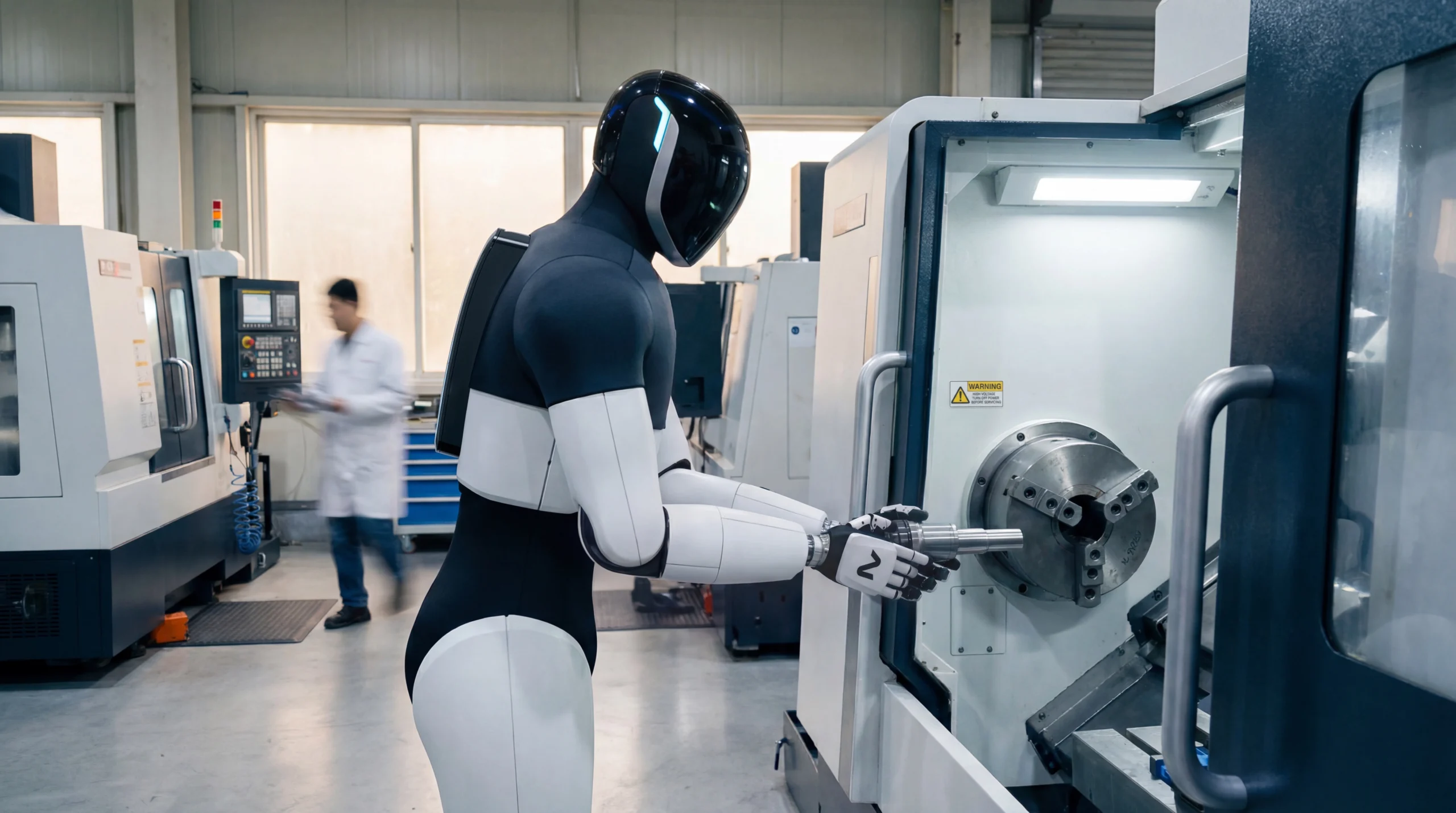
AURA AI and a layered “brain”
The most interesting part of 4NE‑1 is its “brain.” AURA AI runs across several layers. Small models on the robot handle reflexes and safety so basic reactions do not depend on connectivity. Larger models in the torso deal with perception and planning in cluttered environments. Cloud models handle longer horizon reasoning and coordination when bandwidth allows.
This layered approach is how serious autonomous systems are built. It gives 4NE‑1 fast local reactions and deeper intelligence when it can reach the cloud. NEURA also wraps the robot in a “sensor skin” for tactile and proximity sensing, and adds voice and emotion recognition for more natural interaction. The result is a machine designed to share space and context with people, not just repeat pre‑programmed motions.
Neuraverse as a skills layer
Neuraverse is NEURA’s software ecosystem. It works like an app store for robotic skills. Developers and partners publish capabilities. Customers download them into their robots. A factory can roll out a new assembly skill over the air. A logistics operator can deploy a palletising routine without touching the hardware. A household can add new behaviours as they appear.
This approach matters for two reasons. It turns 4NE‑1 into installed base and Neuraverse into the place where value compounds over time. It also allows NEURA to build recurring software and services revenue on top of its hardware business. That is the pattern that defined previous technology cycles, from smartphones to cloud.

Capital and partnerships at scale
NEURA’s capital base and partnerships now match its technical ambition. A 120 million euro Series B in 2025 doubled headcount to more than 300 and came with disclosure of a 1 billion euro order book across its products. A subsequent 1 billion euro round backed by Tether reportedly lifted the company’s valuation to about 4 billion euros and gave it the resources to industrialise 4NE‑1, expand manufacturing and scale Neuraverse.
Partnerships with NVIDIA, Vorwerk and large industrial groups extend that reach. NVIDIA provides simulation tools and compute for training and deployment. Vorwerk connects NEURA’s robots with devices such as Thermomix and vacuum systems, creating credible smart home use cases. Industrial partners bring actuators, integration expertise and global deployment footprints.
As American and Asian players race ahead with their own humanoids, NEURA gives Europe something more than a seat in the audience. It offers a credible contender with the ingredients to shape how physical AI is built, deployed and governed on this side of the Atlantic. The next few years will show how far it can push that advantage.