
ContributorProfile claimed
Draken Tobio
Contributor overview
Published articles
Total upvotes


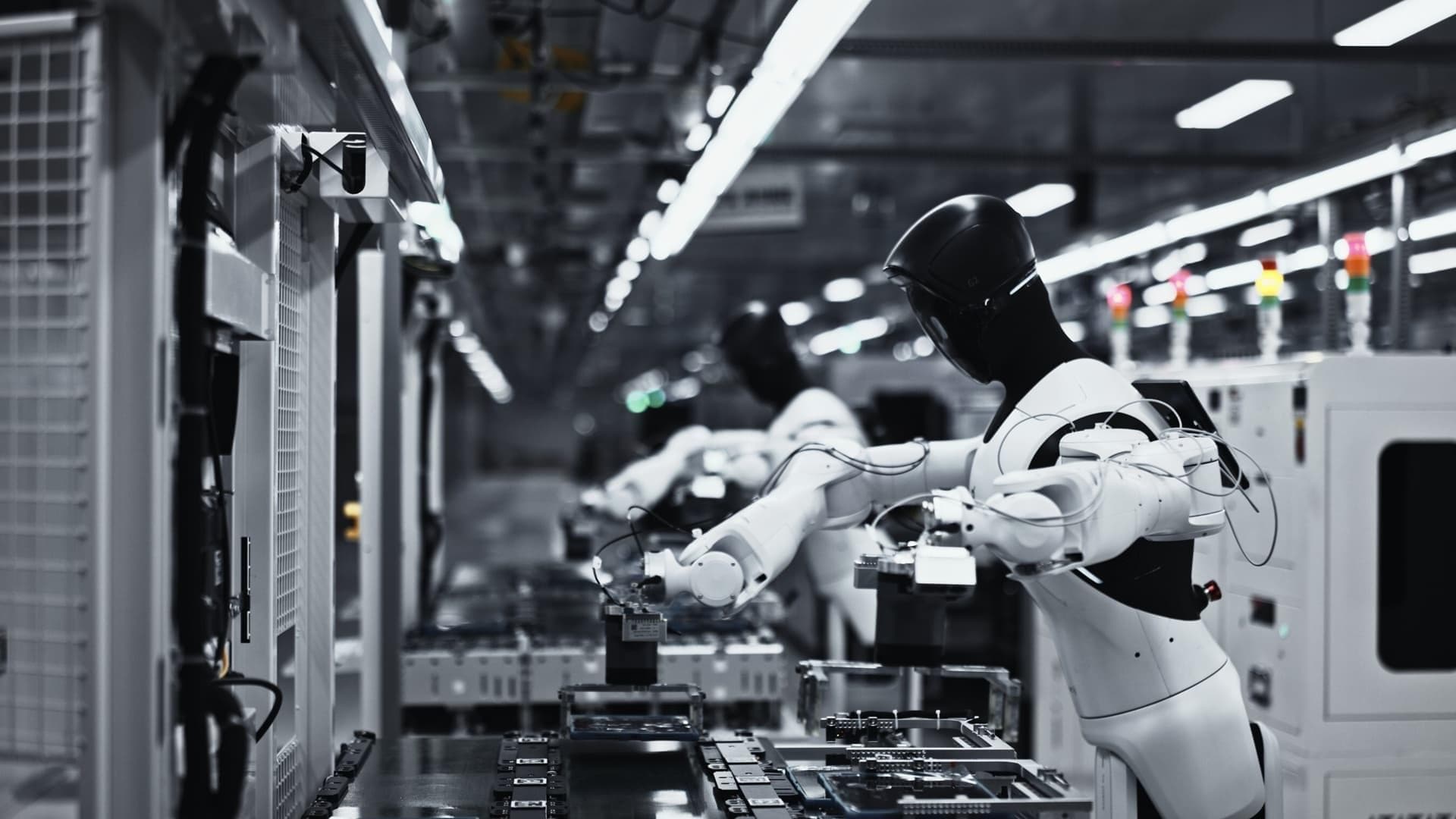
As humanoid robotics attracts billions in investment and growing public attention, a quieter opportunity is emerging behind the scenes. Companies developing actuators, sensors, AI infrastructure, and specialized components could become some of the industry's most important long-term players.
 Draken Tobio
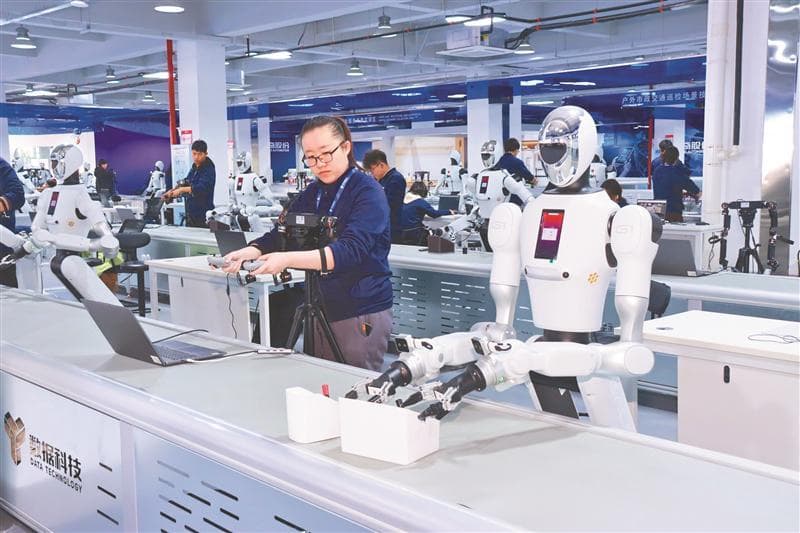
Robotics companies are racing to build faster, cheaper and more capable machines. But as hardware becomes increasingly accessible, another competitive advantage is emerging: the ability to collect high-quality real-world data and turn every deployment into a smarter robot.
Draken Tobio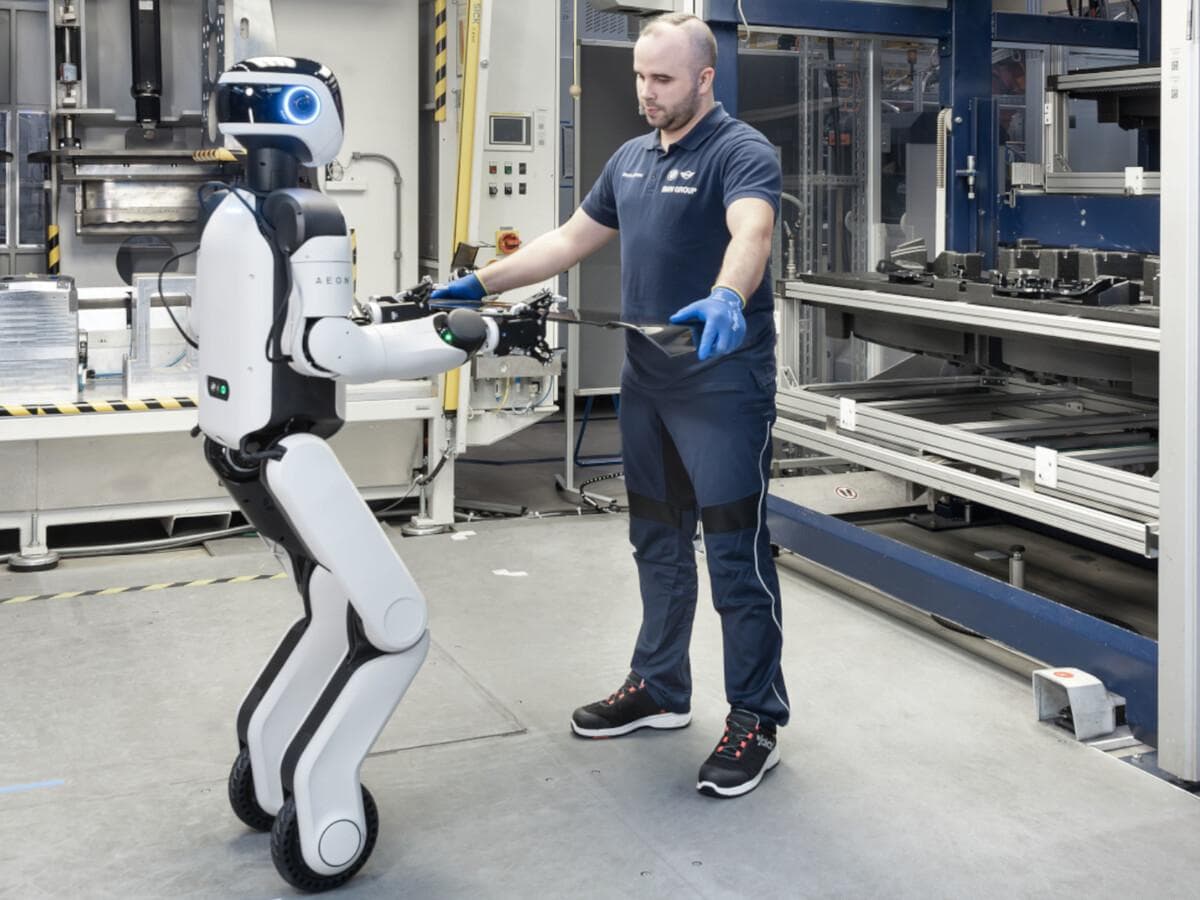
Humanoid robots are getting faster, smarter, and cheaper to build. But for businesses, technical capability is only half the equation. The real test is whether these machines can generate enough productivity to justify their total cost.
Draken Tobio
New demonstrations and training facilities are showing how humanoid robots are progressing beyond laboratory prototypes toward practical applications in factories, services, and everyday environments.
Draken Tobio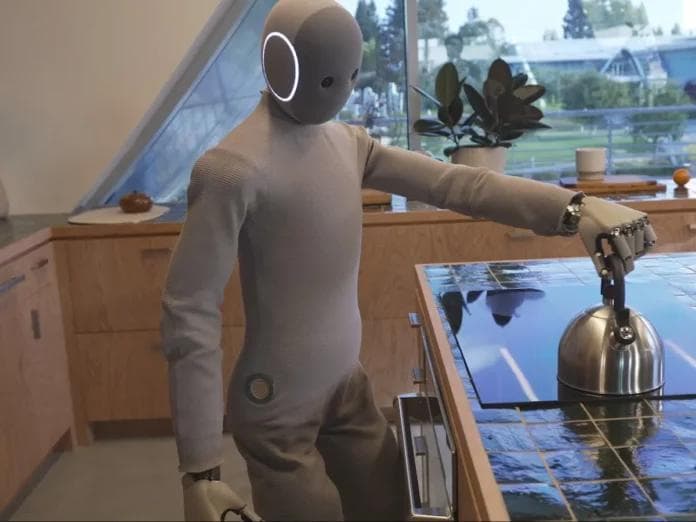
New research is showing that humanoid robots may not need enormous AI models to perform useful tasks, with compact systems achieving strong results while requiring significantly less computing power.
Draken Tobio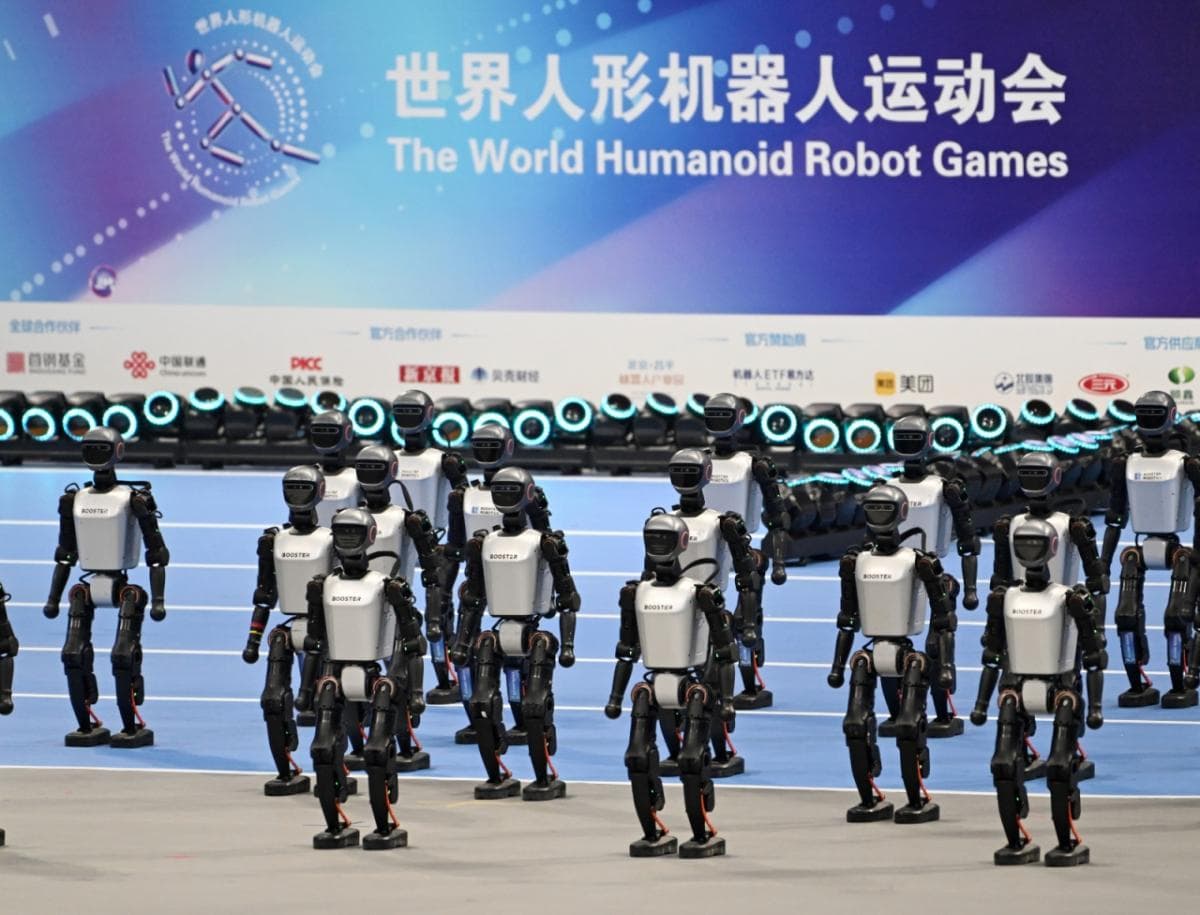
Recent breakthroughs in humanoid robotics are showing remarkable improvements in speed and mobility, but the industry's biggest challenge remains making robots reliable enough for real-world work.
Draken Tobio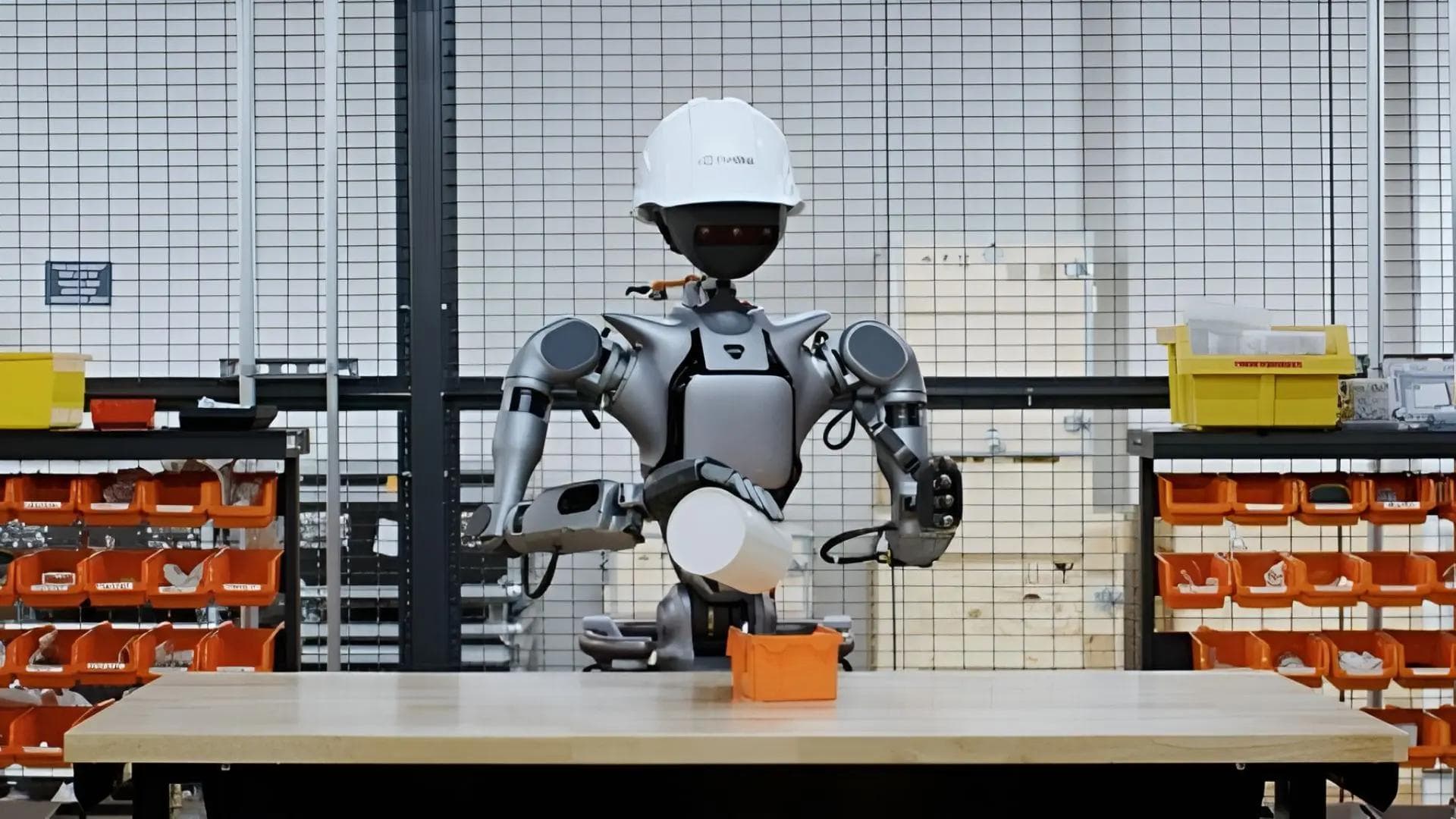
NVIDIA is reportedly closing in on a roughly $12.9 billion acquisition of Hugging Face, a move that could have major implications for open-source AI, robotics, and the development of Physical AI.
Draken Tobio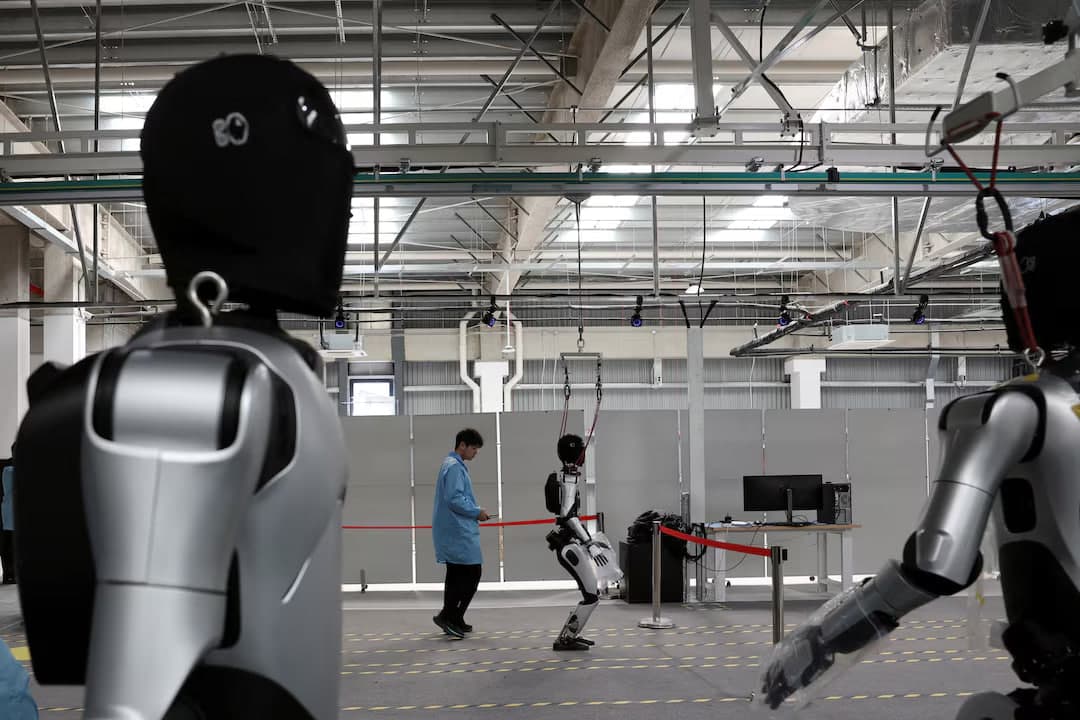
Humanoid robots are moving rapidly from demonstrations toward commercial deployment, with major advances in mobility, funding, AI training, and industrial applications reshaping the robotics landscape.
Draken Tobio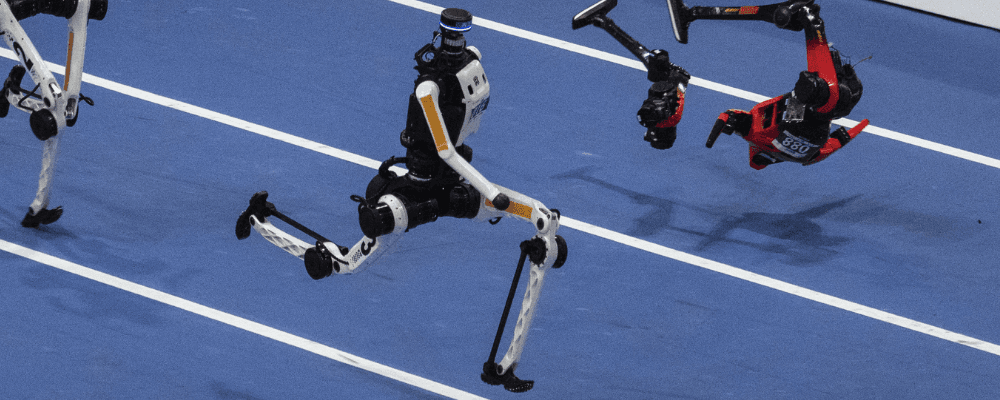
Humanoid robots are reaching new performance milestones while major investments and advances in Physical AI push the robotics industry closer to large-scale real-world deployment.
Draken Tobio
XPENG’s humanoid robotics business has raised more than $900 million at a post-money valuation exceeding $6.3 billion, marking a record financing round for China’s embodied AI industry.
Draken Tobio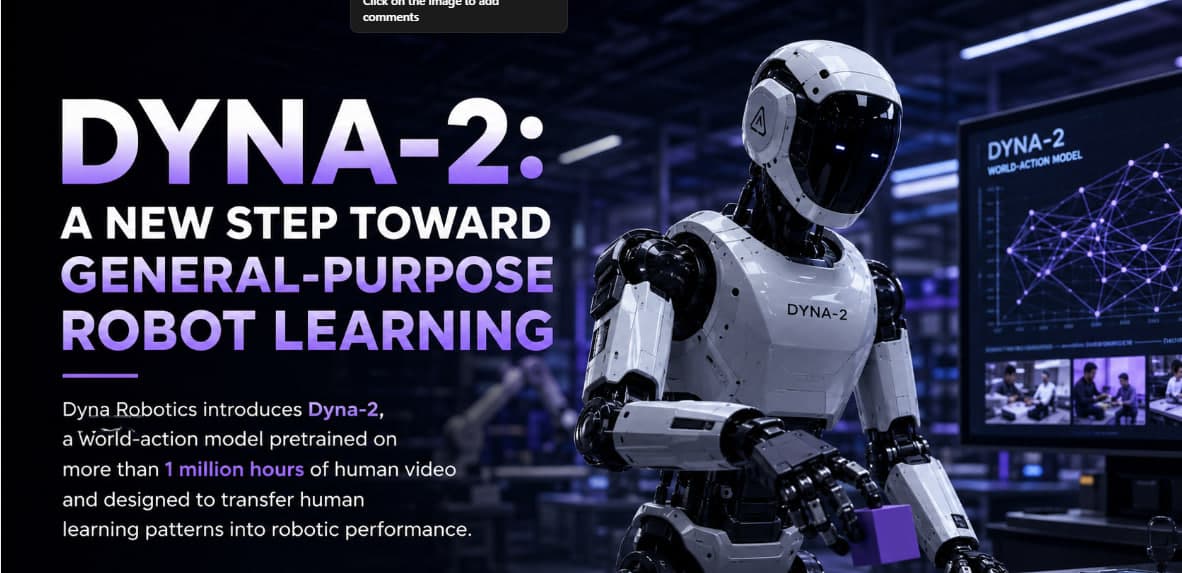
Dyna Robotics introduces Dyna-2, a world-action model pretrained on more than 1 million hours of human video and designed to transfer human learning patterns into robotic performance.
Draken Tobio