
The Robotics Industry Is Bigger Than Humanoids
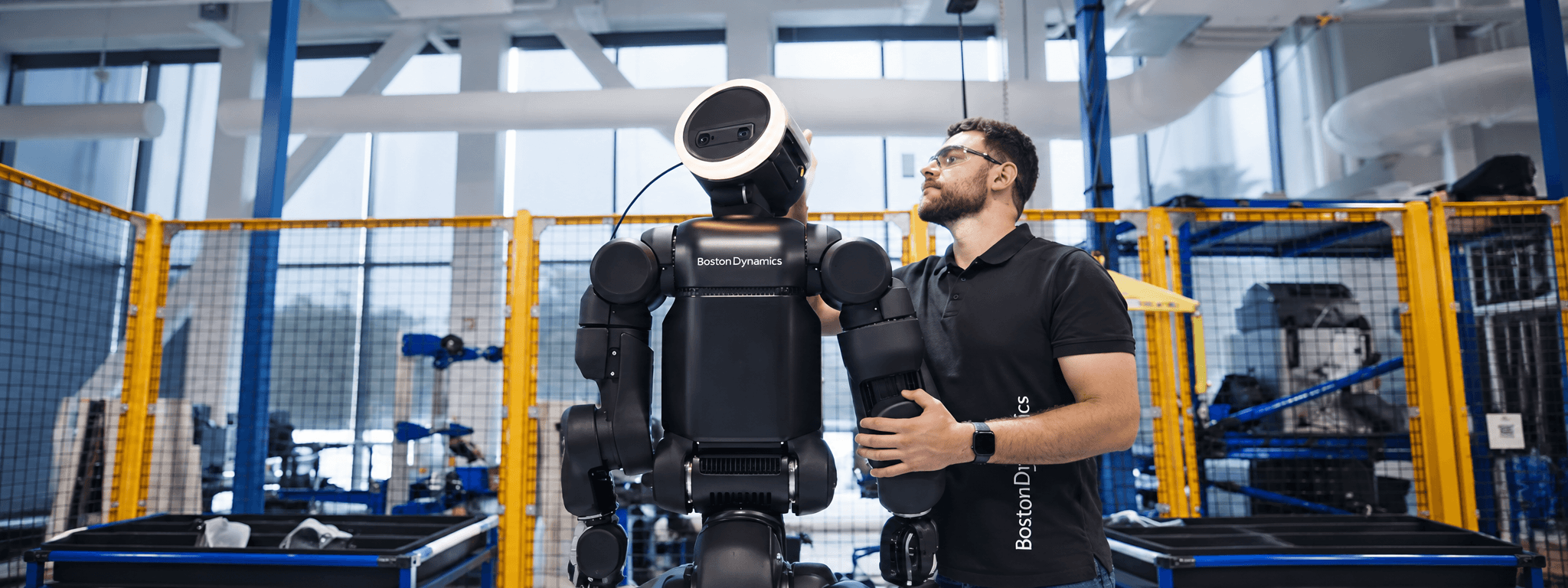
When people think about the future of robotics, companies developing humanoid machines often dominate the conversation. Robots that walk, carry objects, and interact with humans capture attention because they represent a visible step toward more general-purpose automation.
However, the robotics economy extends far beyond the companies assembling these machines.
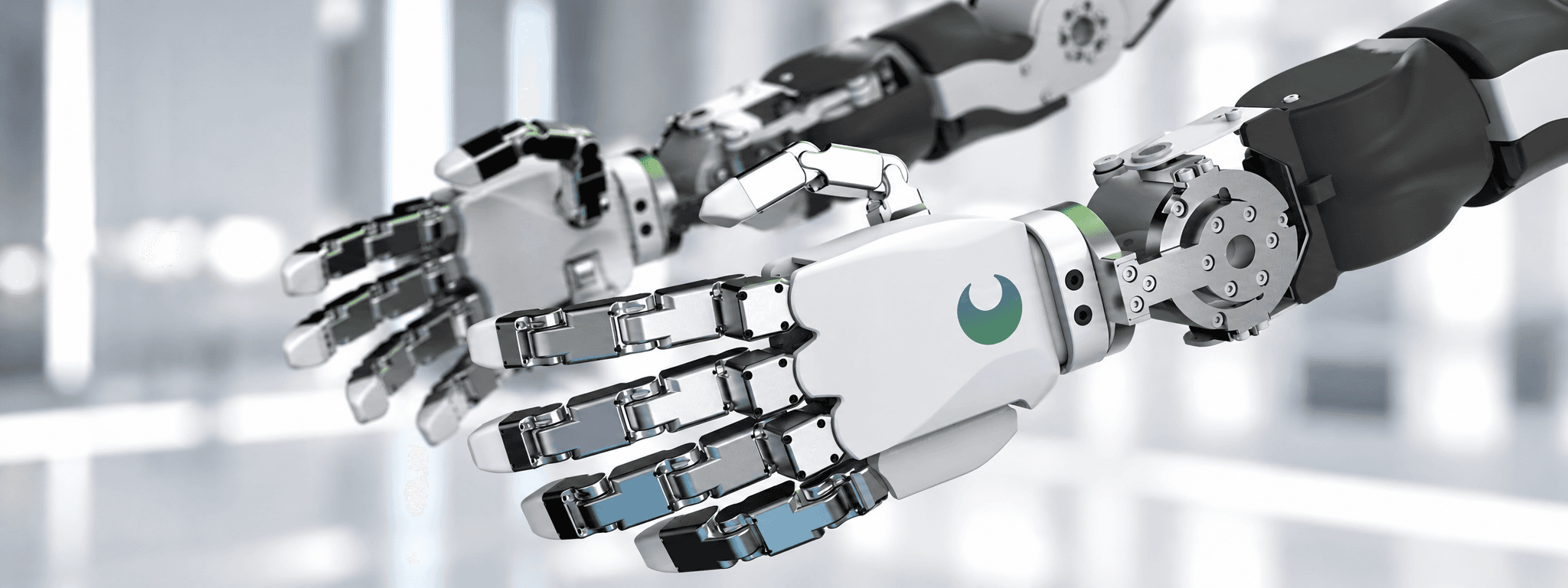
Behind every humanoid robot is an extensive network of manufacturers producing motors, precision gearboxes, sensors, processors, batteries, and control systems.
These components are essential to robot performance, and their importance will likely increase as manufacturers move from prototypes toward large-scale commercial production.
The central question for investors is becoming increasingly interesting: Will the greatest long-term value come from companies selling robots, or from those supplying the technology that makes robots possible?
The Hidden Economics of Robot Manufacturing
One of the biggest challenges facing humanoid manufacturers is production cost.
Unlike conventional industrial robots, humanoids require complex combinations of mobility, balance, dexterity, and environmental awareness.
McKinsey’s analysis of humanoid robot manufacturing suggests that actuators account for approximately 40–60% of a humanoid’s bill of materials, while sensing and perception systems represent another substantial expense.
That creates significant opportunities for specialized suppliers.
Companies capable of manufacturing reliable, lightweight, and affordable actuators could potentially supply multiple robot developers rather than depending on the success of a single humanoid platform.
The same principle applies to advanced sensors, precision components, and power-management technologies.
As competition increases, robot manufacturers will face pressure to reduce production costs without sacrificing performance. Suppliers that solve those challenges could become increasingly important throughout the industry.
Industrial Robotics Already Demonstrates the Opportunity
While humanoids remain an emerging commercial category, industrial robotics has already established a substantial global market.
According to the International Federation of Robotics, approximately 542,000 industrial robots were installed worldwide in 2024, with more than 4.6 million units operating globally.
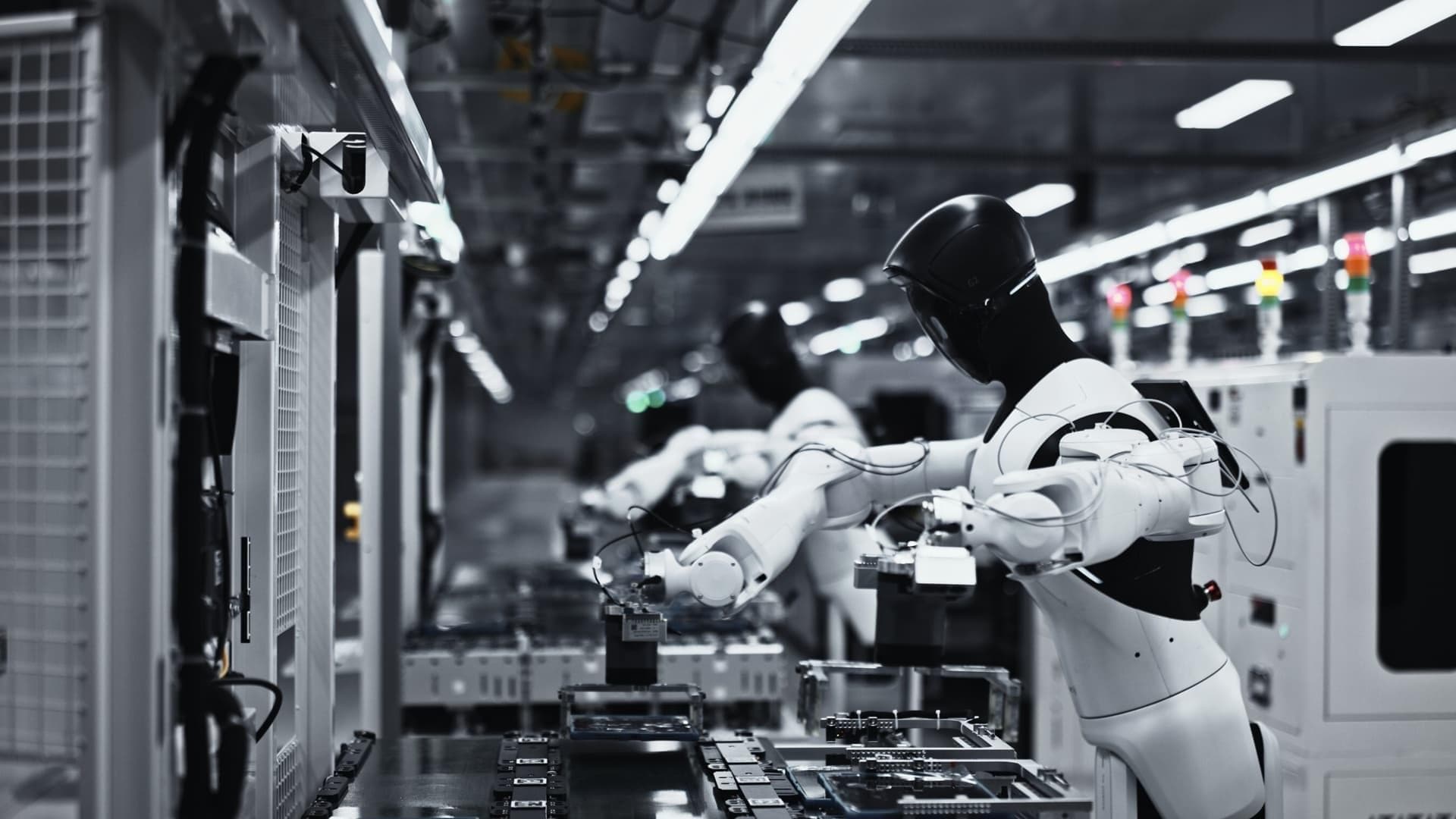
These machines support manufacturing, automotive production, electronics assembly, logistics, and other industrial applications.
Their widespread adoption demonstrates that robotics is not simply a future possibility. It is already part of modern economic infrastructure.
As automation expands into additional industries, demand for components, maintenance services, integration software, and robotics infrastructure could grow alongside demand for finished machines.
Importantly, this opportunity is not limited to humanoids. Specialized robots, autonomous mobile platforms, robotic arms, and collaborative robots all require supporting technologies.
The Supply Chain Could Become a Competitive Advantage
The robotics industry may eventually experience a transformation similar to the automotive and semiconductor sectors.
In those industries, specialized suppliers developed businesses by providing critical technologies to multiple manufacturers.
Robotics could follow a comparable path.
For example, a company producing high-performance robotic joints might serve humanoid developers, industrial automation companies, medical robotics manufacturers, and research institutions.
This diversification could provide a more resilient business model than relying entirely on sales of one finished robot.
Geography also matters.
China currently benefits from an extensive manufacturing ecosystem supporting electric vehicles, electronics, motors, and precision components. Many of these capabilities overlap with the requirements of humanoid robotics.
Other regions may compete through specialized engineering, advanced sensing, semiconductor technologies, software, and high-value industrial applications.
The global robotics competition could therefore become as much about manufacturing ecosystems and supply-chain control as artificial intelligence.
What Investors Should Watch
As the robotics market develops, evaluating companies solely by robot demonstrations or headline valuations may become increasingly insufficient.
Investors should also examine whether companies possess technologies that solve meaningful industry bottlenecks.
A component manufacturer with established customers, defensible intellectual property, reliable production capacity, and recurring demand may have a different risk profile from a humanoid startup still working toward commercial deployment.
However, suppliers are not automatically safer investments. They also face pricing pressure, technological obsolescence, customer concentration, and manufacturing risks.
The strongest opportunities may emerge where a company combines technical differentiation with a clear path toward profitable production.
Final Perspective: The Robotics Economy Will Have More Than One Winner
Humanoid robots may eventually become one of the most recognizable products of the physical AI revolution.
But the companies building those machines represent only one layer of a much larger industry.
As robotics scales, value could spread across component manufacturers, AI infrastructure providers, simulation platforms, systems integrators, and maintenance networks.
The next generation of robotics leaders may include companies that never produce a complete humanoid robot.
The future of robotics won’t be determined only by who builds the best robot, but also by who builds the technologies that make millions of robots economically possible.