
Announced on October 13, the platform provides access to the company’s latest robotics models through a managed service that handles training infrastructure, fine-tuning and inference.
Developers can upload robot demonstration data, adapt a model to their hardware and access the resulting policy through a hosted gateway.
The system is designed to support different robotic platforms and applications, including industrial manipulation, warehouse automation, food preparation and autonomous heavy machinery.
Physical Intelligence has already tested the API with a group of robotics companies operating across the United States, Japan and Switzerland.
One early application involves an autonomous wheel loader operating at a commercial site in Utah. The machine uses a model developed with Physical Intelligence to collect material and load it into a dump truck without an operator inside the vehicle.
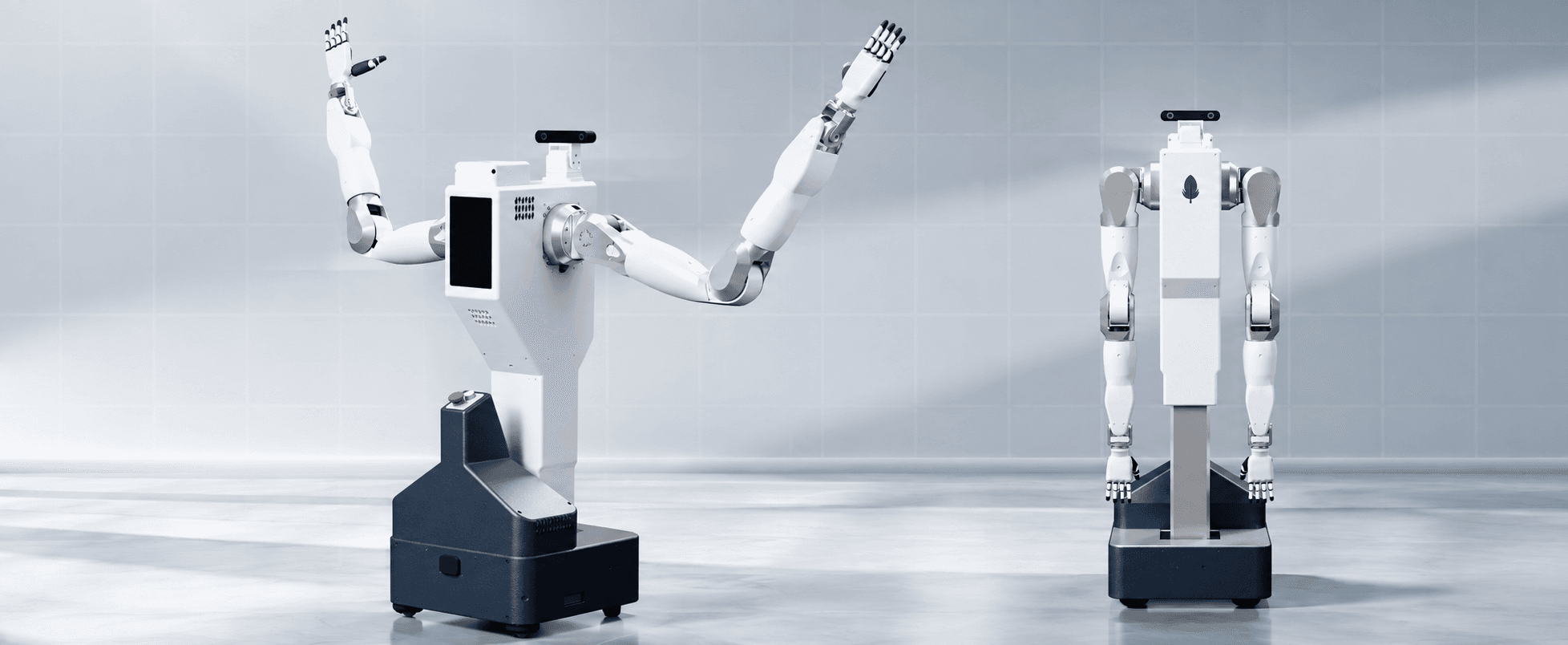
Another demonstration involves a dual-arm robot performing deburring operations on manufacturing components. According to the company, its developer produced the demonstrated policy after four days of iteration using the API.
The platform also allows developers to improve robot performance through repeated data collection, training and evaluation.
When a robot encounters a failure, developers can collect additional demonstrations and use the new data to refine its behaviour.
Physical Intelligence says the API supports its latest models, including improvements in data efficiency and adaptability across different robotic systems.
Most of the initial applications used cloud-hosted inference, although the company acknowledged network connectivity challenges during early testing.
The beta is currently available through an application process. Physical Intelligence has not disclosed pricing, general availability dates or independent performance benchmarks for the service.