
The robotics industry is having one of its busiest weeks of the year. Recent developments show that humanoid machines are becoming faster and more capable, while billions of dollars continue to flow into companies developing the hardware and artificial intelligence needed to make them useful.
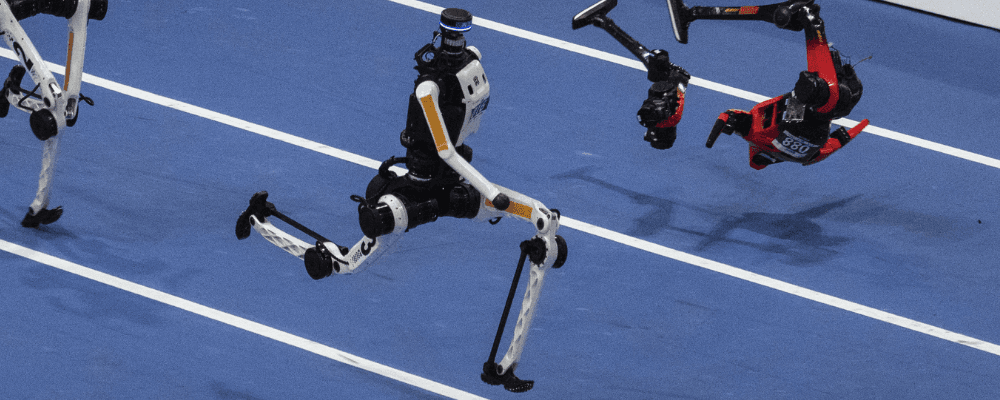
One of the biggest headlines came from Beijing’s World Humanoid Robot Games, where the Tiangong Ultra humanoid completed the 100-meter sprint in 8.64 seconds, faster than Usain Bolt’s 9.58-second human record. More than 2,000 robots from 666 teams participated across 51 events, including sports and simulated industrial tasks.
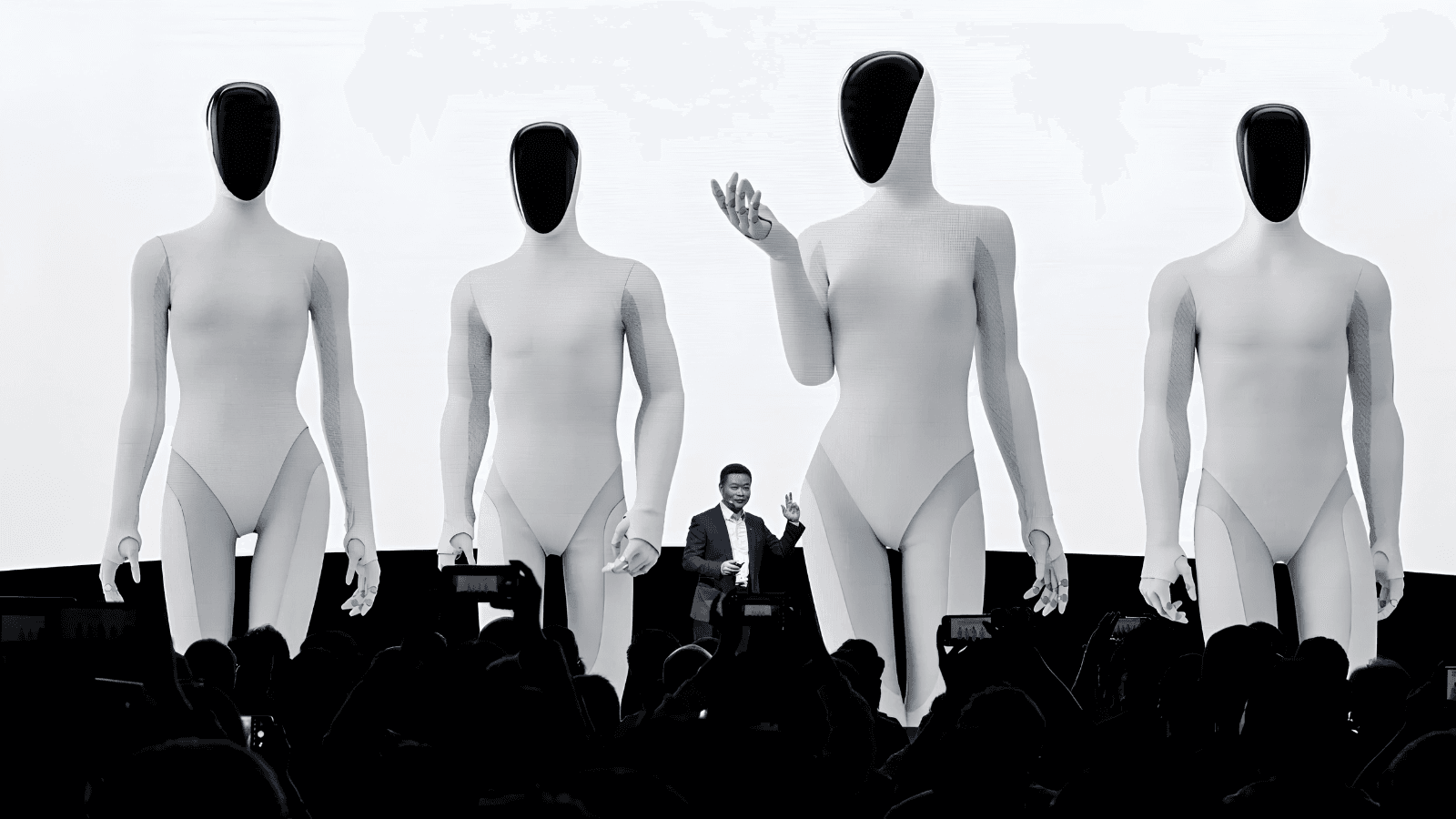
Investment is accelerating at the same time. XPeng’s robotics unit recently raised more than $900 million, giving the business a valuation of roughly $6.3 billion as it prepares to scale production of its IRON humanoid.
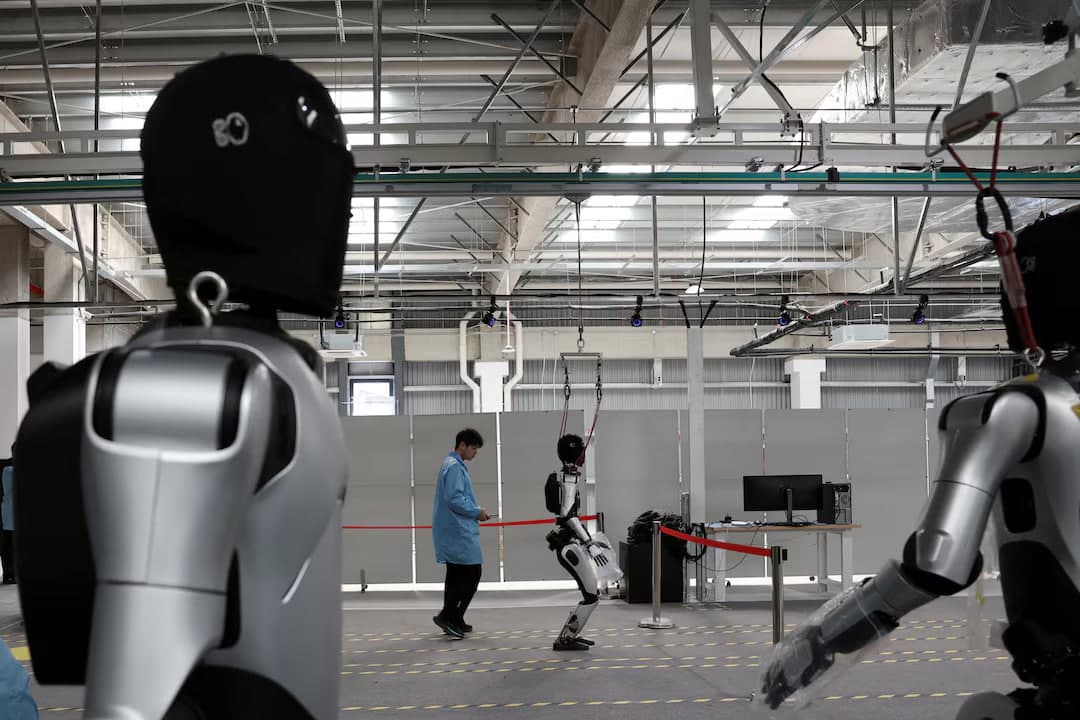
But impressive demonstrations are only part of the story. Recent reporting shows that many humanoids still struggle with reliability, dexterity, and adapting to unfamiliar environments. This is pushing developers to focus increasingly on training data and the “brains” behind robots rather than simply improving their physical hardware.
That may be the most important trend to watch. The next breakthrough in robotics may not come from a faster motor or stronger actuator, but from AI models capable of learning physical tasks, understanding changing environments, and reliably turning instructions into action.
For now, the industry is clearly moving forward—but the real test will be whether these increasingly impressive machines can transform from spectacular demonstrations into dependable everyday workers.