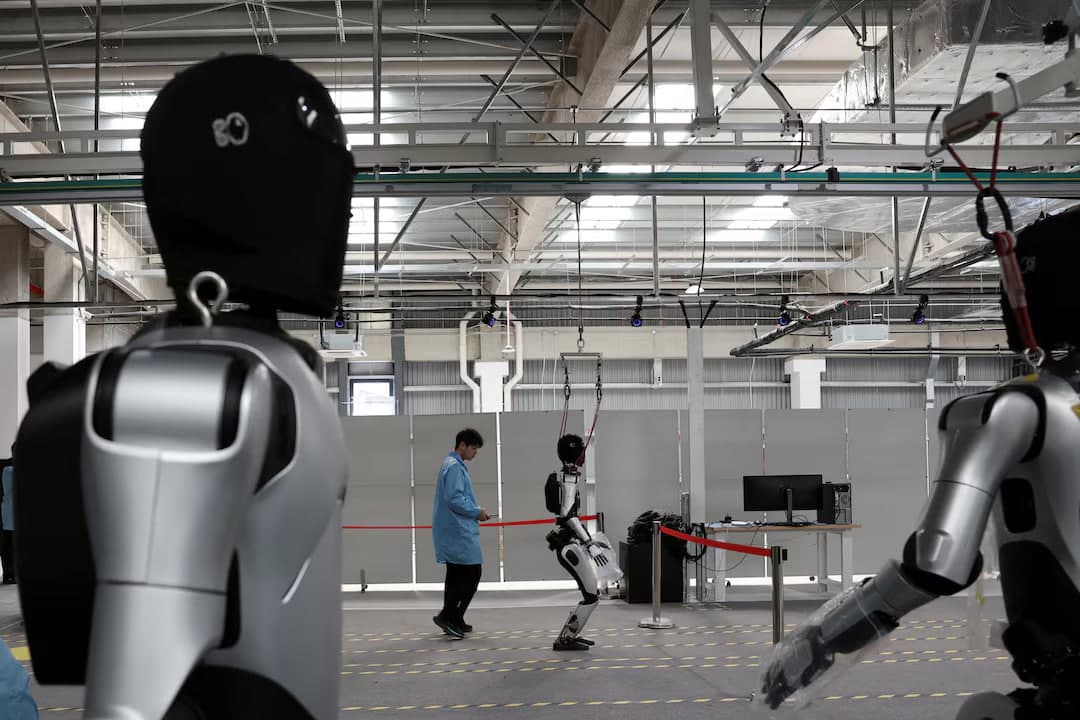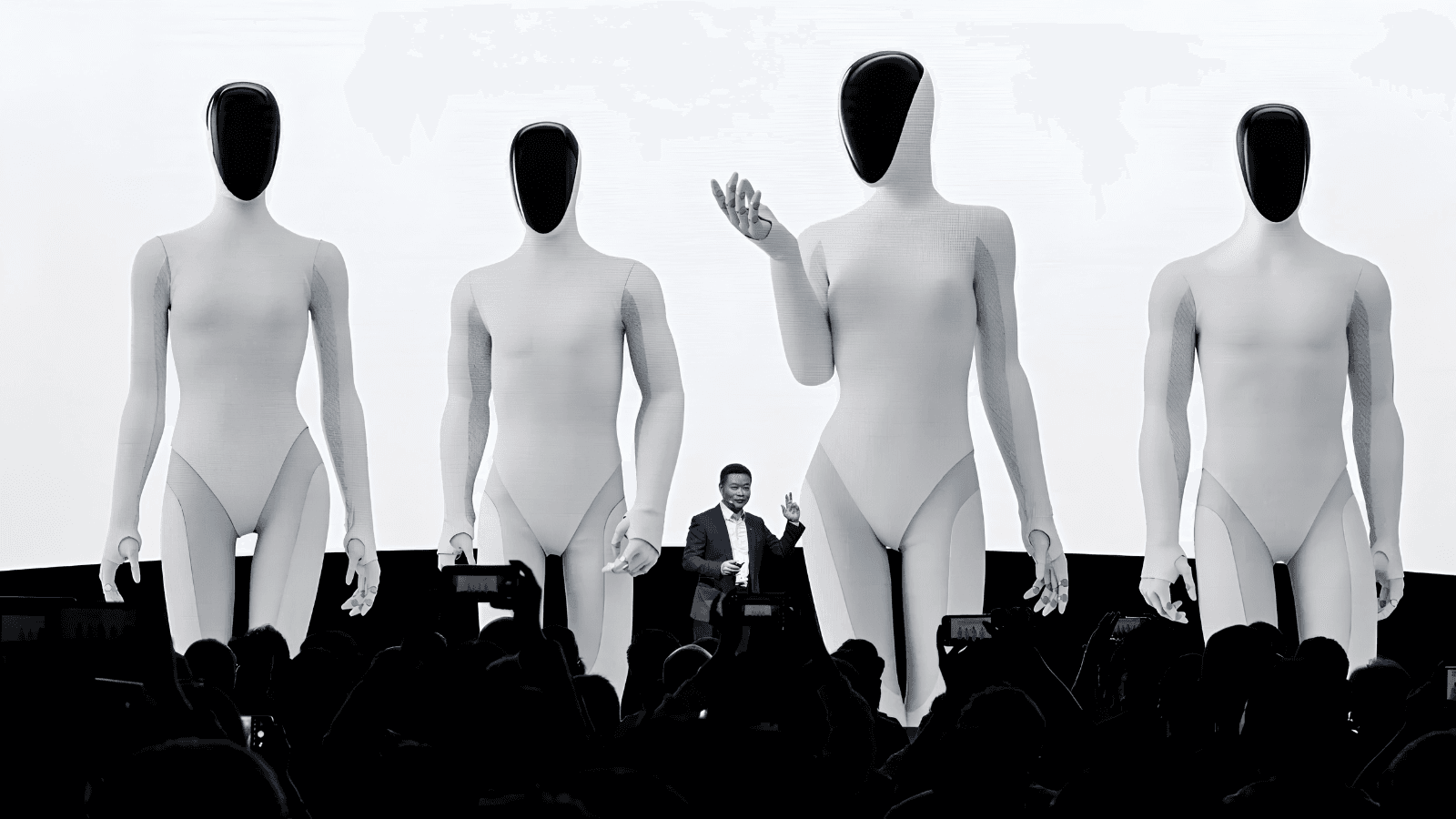

The robotics industry continues to accelerate, with the latest developments showing progress across humanoid performance, Physical AI, investment, and commercial deployment. From record-breaking robot athletes in Beijing to major funding rounds, the sector is moving rapidly toward a more capable generation of machines.
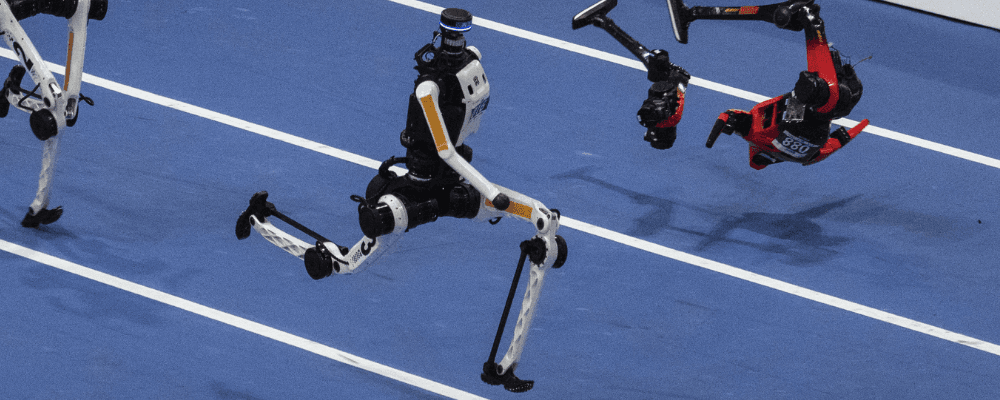
One of the biggest recent highlights came from the World Humanoid Robot Games in Beijing, where more than 2,000 robots competed across 51 events. China’s Tiangong Ultra humanoid recorded an 8.86-second 100-meter sprint, surpassing the 9.58-second human world record set by Usain Bolt. While impressive, the event also demonstrated that speed is only one part of the challenge, with experts emphasizing dexterity, reliability, and performance in real-world environments as the more important benchmarks.
Investment is also reaching new levels. XPENG’s robotics business has raised more than $900 million in its first major funding round, backed by investors including IDG Capital, Alibaba, and Tencent. The company is targeting mass production of its IRON humanoid and sees robotics as a major future growth opportunity alongside its automotive business.
At the same time, the industry is entering a more critical phase. Recent analysis suggests that many humanoids are still limited to relatively simple tasks and can struggle with reliability outside controlled environments. This highlights the gap between impressive demonstrations and robots that can consistently perform useful work in factories, warehouses, homes, and other complex settings.
The next stage of robotics will therefore be defined not only by how fast or strong robots can become, but by how well they can understand their surroundings, learn new tasks, adapt to unexpected situations, and work alongside people. With capital continuing to flow into the sector and Physical AI advancing rapidly, the race toward truly general-purpose robots is becoming increasingly competitive.
For the robotics ecosystem, the message is clear: the hardware race is accelerating, but the intelligence and real-world deployment race may ultimately determine who leads the next generation of Physical AI.