
The robotics industry continues to gain momentum as humanoid machines become more capable and increasingly visible outside traditional research environments.
One of the latest demonstrations came at IFA 2026 in Berlin, where humanoid robots, quadrupeds, and AI-powered machines performed on a runway, showcasing advances in movement, sensing, and human-machine interaction. The event highlighted how robotics is increasingly becoming part of consumer and public-facing technology.
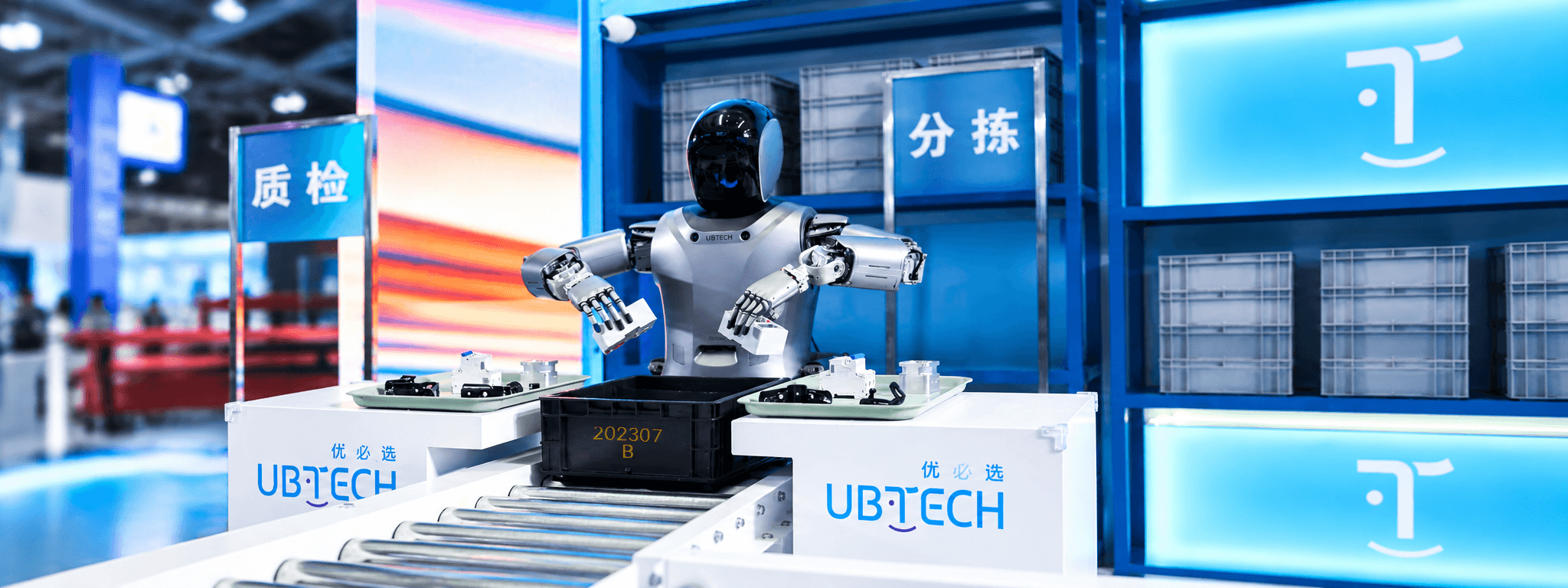
Meanwhile, China is putting greater emphasis on the training of physical AI systems. A humanoid robot training facility in Cixi, Zhejiang, now has 40 embodied-AI robots operating in simulated industrial environments. The facility is designed around scenarios from nine local industries and is expected to generate more than 30,000 hours of real-machine industrial data each year.
That focus on data could prove critical. Robots need far more than visual recognition to operate effectively—they must learn how objects feel, how much force to apply, how to recover from mistakes, and how to respond when conditions change. Real-world training environments can provide the physical experience needed to improve these capabilities.
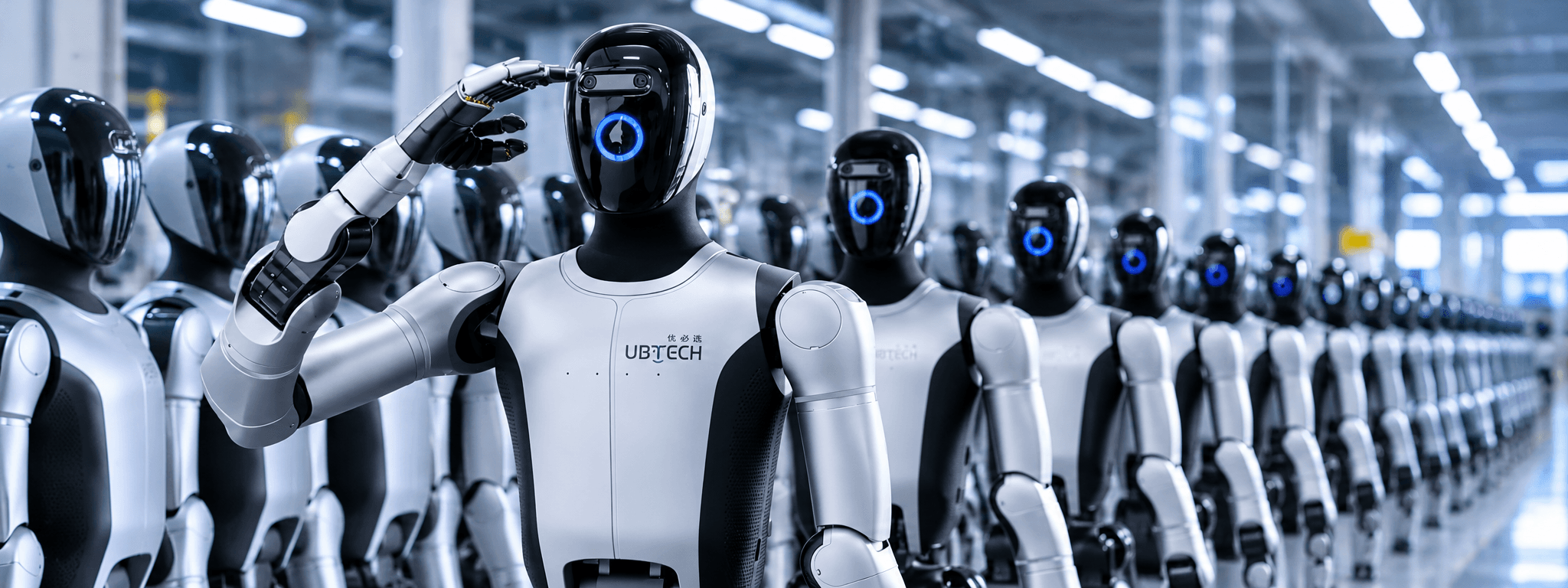
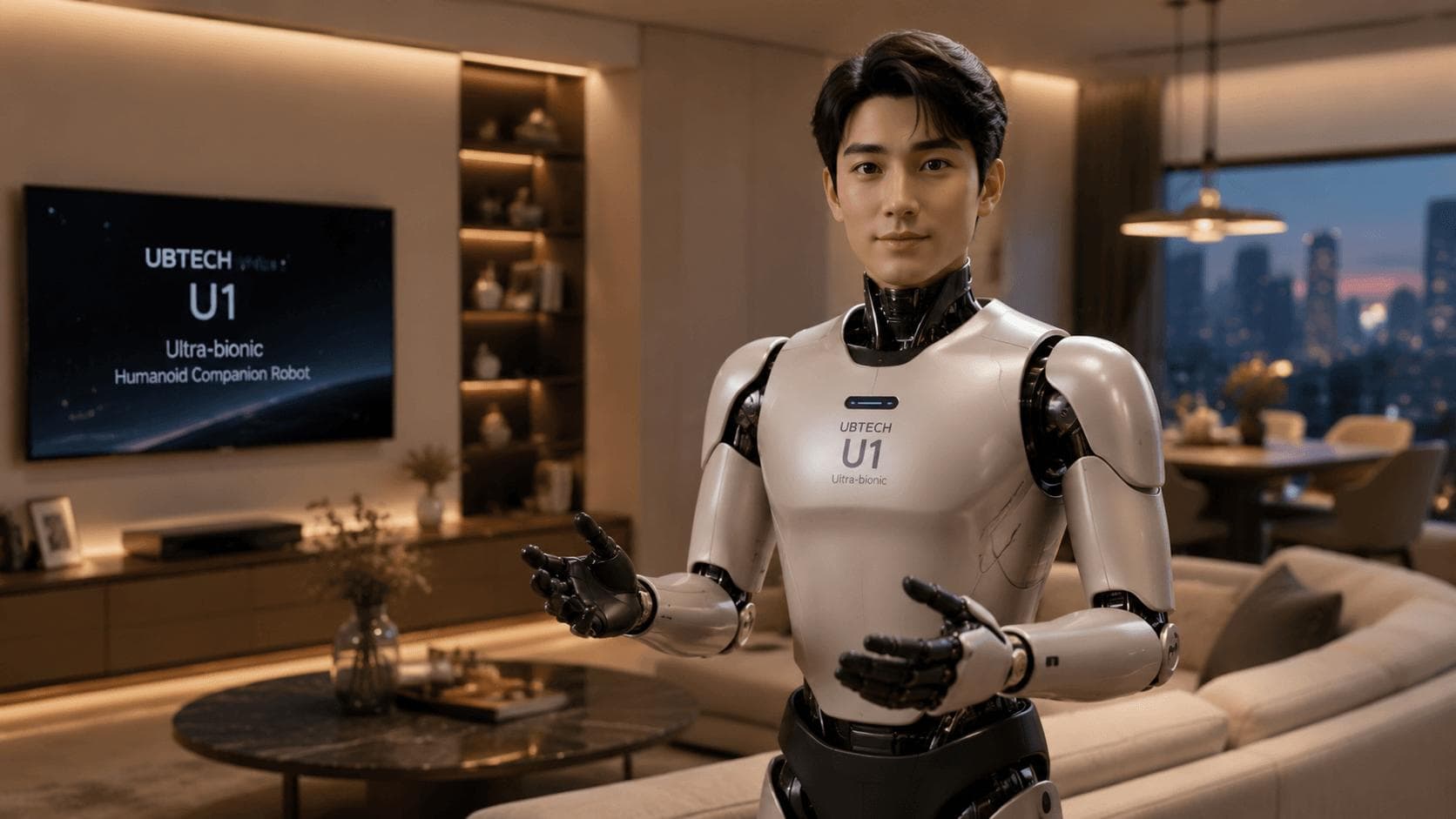
Consumer-focused humanoids are also beginning to attract significant interest. UBTECH recently introduced its U1 series, consisting of three humanoid models aimed at different applications. The company reported more than 13,000 pre-orders, with deliveries scheduled to begin in September.
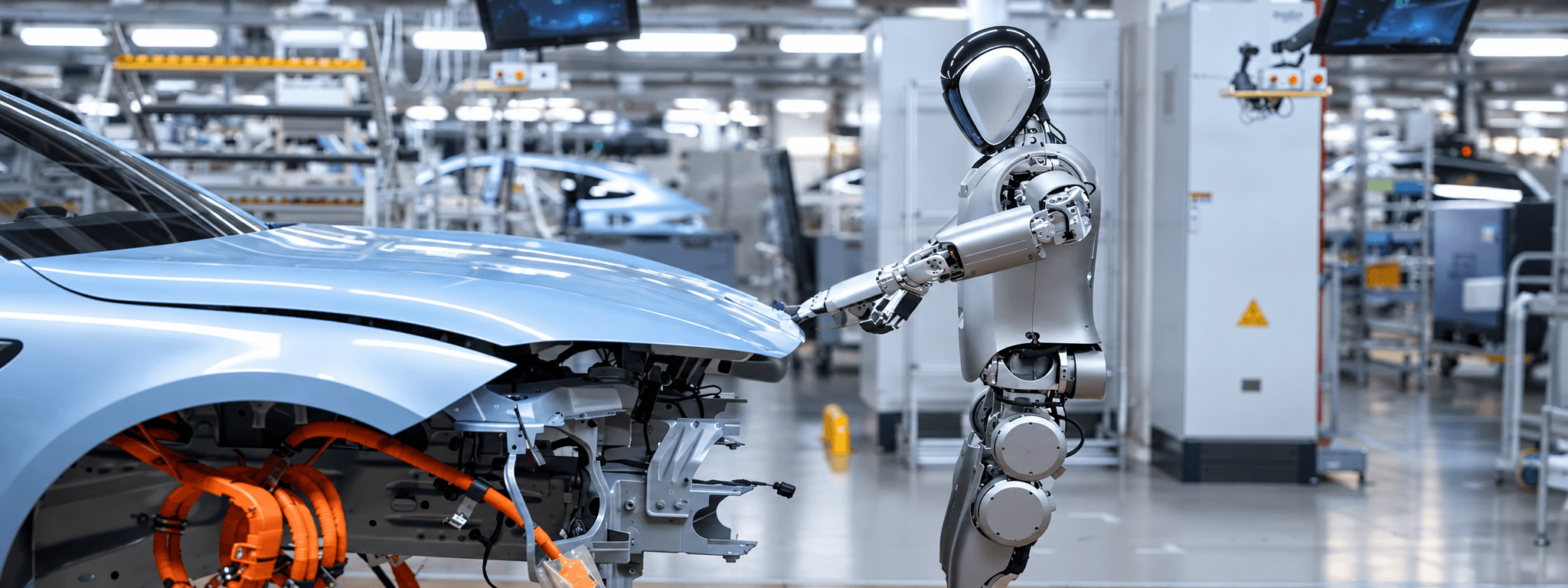
At the same time, the broader robotics market is revealing an important distinction: humanoids may attract the headlines, but specialized industrial robots are already delivering substantial real-world value. China installed about 295,000 industrial robots in 2024, accounting for 54% of global installations, according to the Financial Times.
The takeaway is becoming clearer: the robotics race is no longer just about building impressive machines. It is about training them, deploying them, and proving that they can reliably perform useful work. The companies that successfully bridge that gap could define the next stage of the physical AI revolution.