News & Analysis
Insights, research, and market intelligence from industry contributors.


Insights, research, and market intelligence from industry contributors.
Insights, research, and market intelligence from industry contributors.

Unitree Robotics has launched the Dex5-S, a new five-finger dexterous robot hand with 22 degrees of freedom and a starting price of RMB 39,900, approximately $5,600.
 Robotico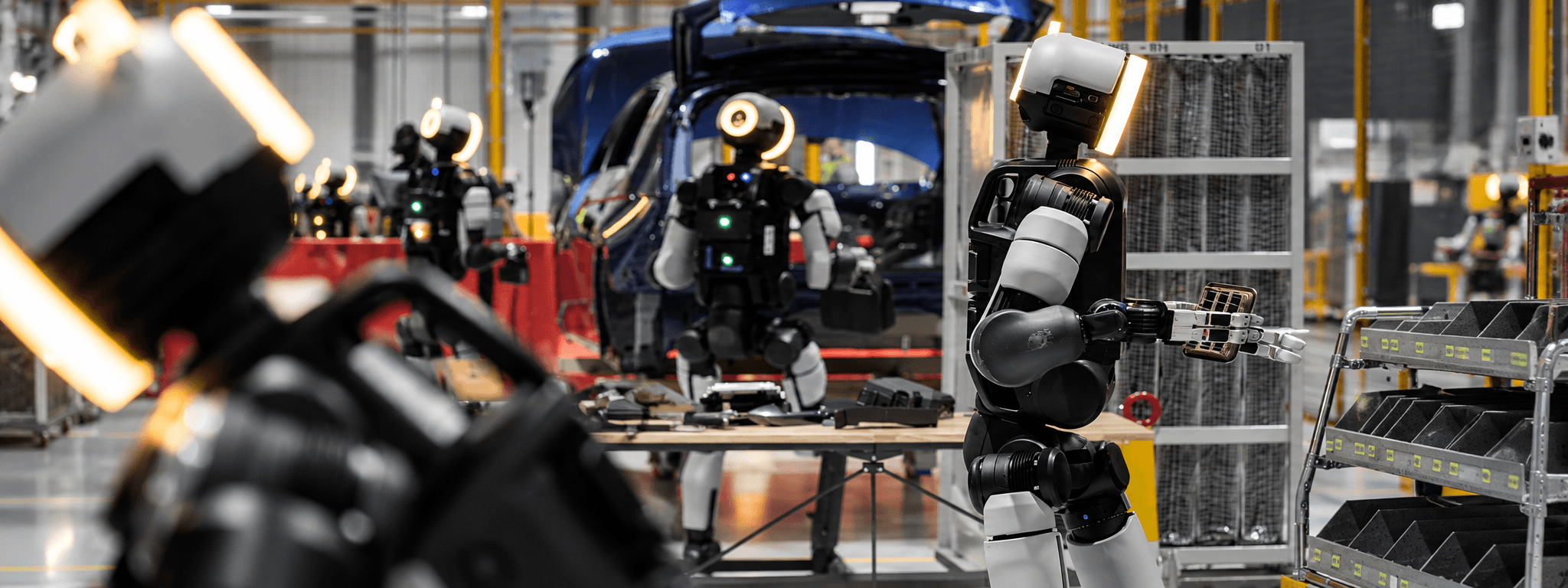
Boston Dynamics has opened its Robotics Metaplant Application Center inside Hyundai Motor Group’s Metaplant America in Georgia, with Atlas humanoid robots now training on automotive manufacturing tasks.
Robotico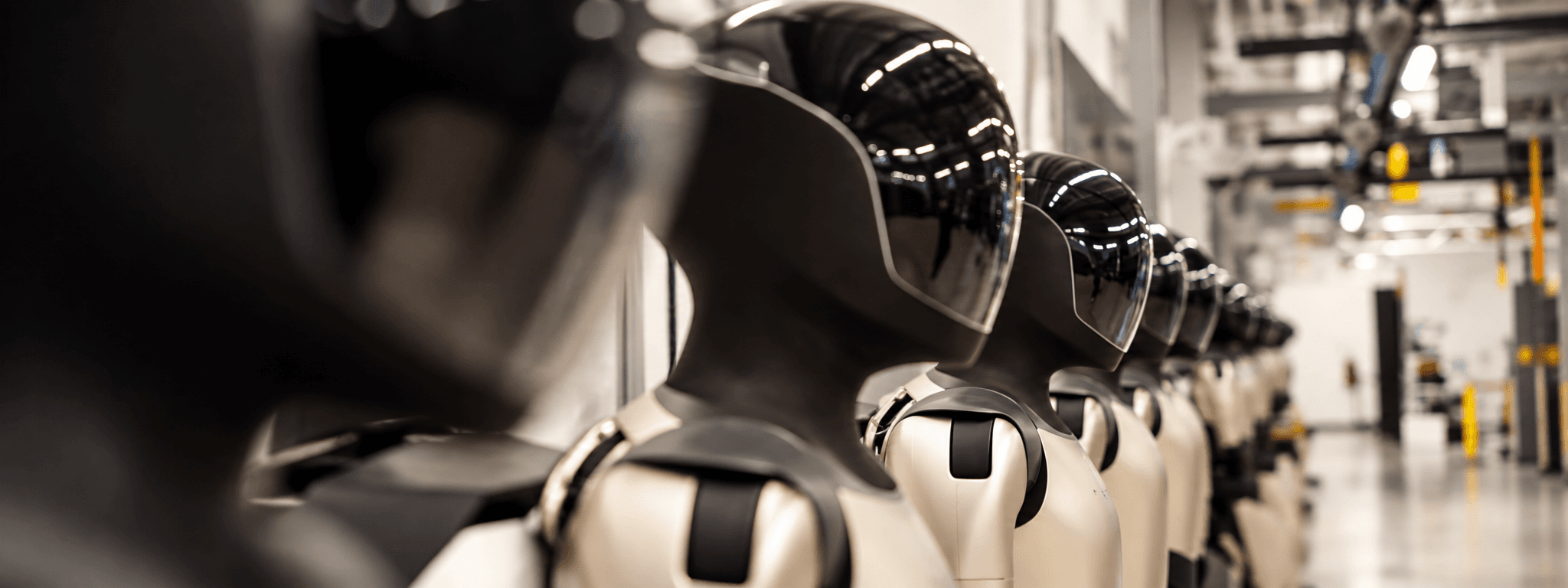
Tesla is auditing Chinese component manufacturers as it prepares its third-generation Optimus humanoid for mass production, according to a new report from the Shanghai Securities News.
Robotico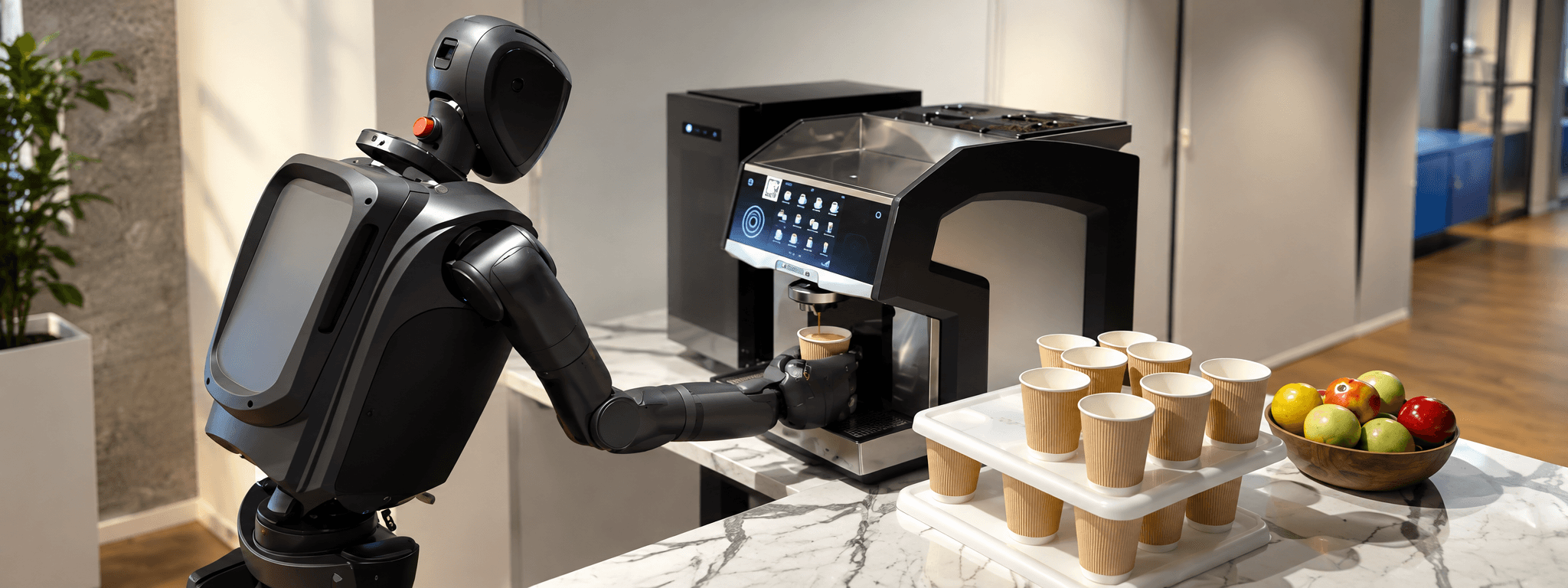
NVIDIA has released Isaac ROS 5.0, adding AI-agent workflows to its open-source robotics software stack and expanding support for deploying Physical AI applications across Jetson hardware.
Robotico
Why the real money in humanoid robotics isn't in the robot, it's in the one input everyone is short. The whole sector is priced on the robot: degrees of freedom, payload, the backflip in the demo reel. As a market maker, when an asset class quotes off the most visible number, I go find the one nobody's pricing. In humanoids, that's data. Why now is different. The thing that ate a decade of robotics, sub-millimeter precision, just stopped mattering. Point an LLM-grade model at a robot, put vision in the loop, and it corrects on the fly instead of needing perfect fixtures and coordinates. Miss the glass by a millimeter and you no longer smash it. At the same time capital is finally flowing into hardware, because AI is quietly killing the SaaS moat investors used to pay up for. Hard problem solved, funding unlocked : that's the setup. Where I'm contrarian. Most of the humanoid hype is aimed at the wrong hardware: Legs probably aren't worth it. The work happens in one-story warehouses and kitchens. The cost, weight and failure surface of walking rarely earn their keep. Three fingers beat five. A thumb-plus-two gripper wins on reliability and on training simplicity. Five articulated fingers is complexity you pay for twice. My ideal robot is a wheeled base with a torso and minimal fingers : not a dancing humanoid. Hardware is the bottleneck, not software. General-purpose models land in ~4–5 years; mechanical reliability is what lags. Everyone wants the humanoid because the wow effect is off the charts, but the wow effect has never once shown up on a P&L. The most efficient robot for the job is almost always the least impressive one in the room. The trade is the data. The field is still five to six orders of magnitude short of the volume that produced the "ChatGPT moment," and there's no back-catalogue to scrape. So the entire game is how you collect it. Whoever gets paid to accumulate that data, customer-funded, compounding, proprietary, wins the layer everyone else is fighting over the wrong way. Bottom line. Strip the theatrics and this is a picks-and-shovels story. The winners won't own the best demo, they'll be the ones who figured out how to get paid to accumulate the one input everyone else is missing. Long the data, short the form factor. For the doers : if you want to actually start somewhere rather than just watch the hype, this is a solid way in: https://www.youtube.com/watch?v=VqyKUuW9V1g PS ~ everything in this space moves absurdly fast, and my thesis will evolve with it. That's exactly why I'm documenting it now: to have a marker to look back on and see what I got right, what I got wrong, and how the picture changed.
 That's my Quant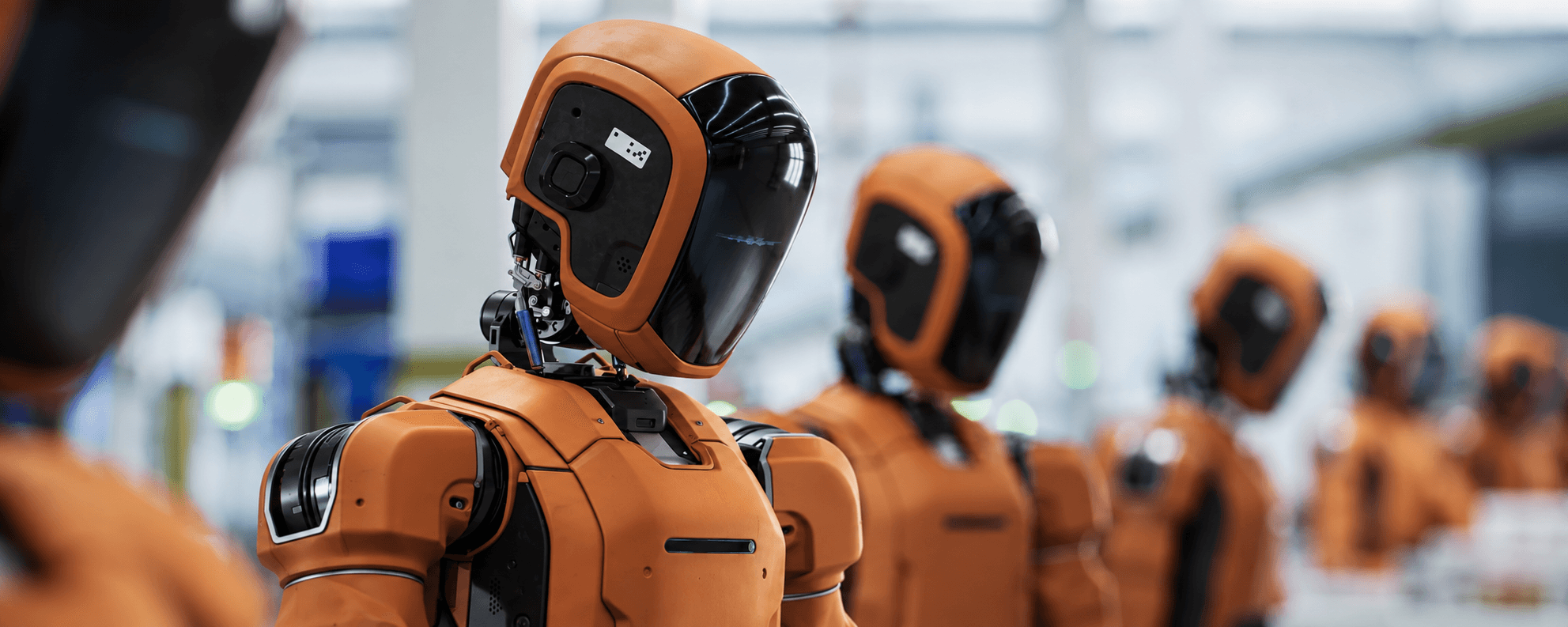
Around 7,000 humanoid robots were sold worldwide in 2025 for industrial and professional service applications, according to new figures compiled by the International Federation of Robotics and reviewed by Reuters ahead of publication.
Robotico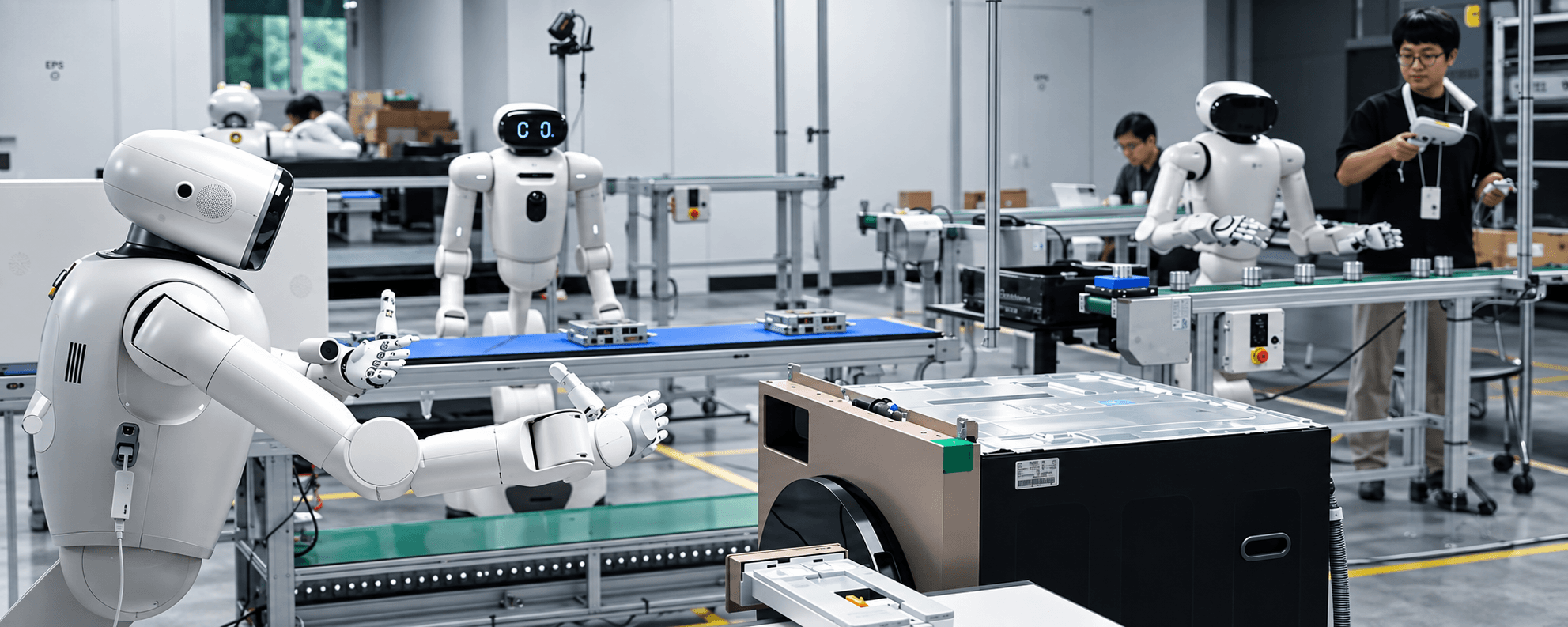
LG Electronics and NVIDIA are preparing a joint Physical AI development base in Seoul where researchers from both companies will work on robot models.
Robotico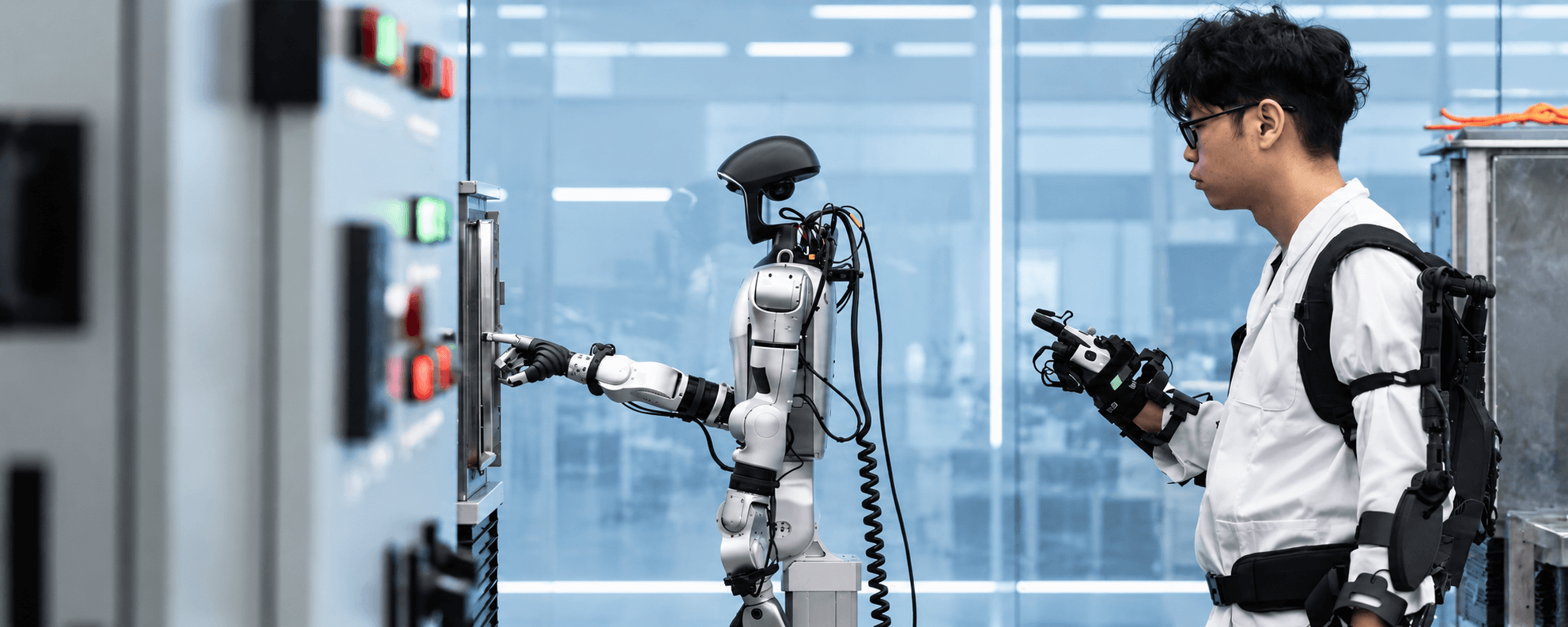
Chinese regulators are slowing some humanoid robotics IPOs as they examine whether rapidly rising valuations and revenue linked to government-backed projects reflect sustainable commercial demand.
Robotico


