
Two lifelike humanoid robots have made their debut as news presenters in China. Introduced on November 5 at the seventh World Media Summit’s forum on artificial intelligence and Chinese modernization, Xinyan and Xinyu were developed jointly by state news agency Xinhua and robotics manufacturer UBTECH.
The female-presenting Xinyan and male-presenting Xinyu are built to human scale, with lifelike faces and coordinated speech and facial movements. Their appearance was developed with Chinese film director Zhang Yimou, who served as chief creative designer for the robots’ visual identities. The two machines delivered a news bulletin during the forum, according to Chinese media reports.
Rather than being general-purpose factory workers, these humanoids have been developed for a highly specific public-facing role. Their task is to present approved news information, speak naturally and interact with audiences. The project combines UBTECH’s embodied robotics hardware, artificial skin, operating systems and expressive AI technologies with Xinhua’s AI-powered political and current-affairs information system, Xinhua Yudian.
The companies describe the technology as an integrated system connecting information retrieval, expression and physical control. UBTECH founder and chief executive Zhou Jian said the system is designed to draw on reviewed news material, an approach intended to reduce the risk of inaccurate AI-generated statements in sensitive news contexts.
Xinhua representatives described the robots as assistants to human editorial teams rather than replacements for reporters and editors. The intended applications include presenting information, multilingual delivery and on-site interaction. The companies have not disclosed pricing, production volumes, availability or plans to install the robots in working newsrooms.
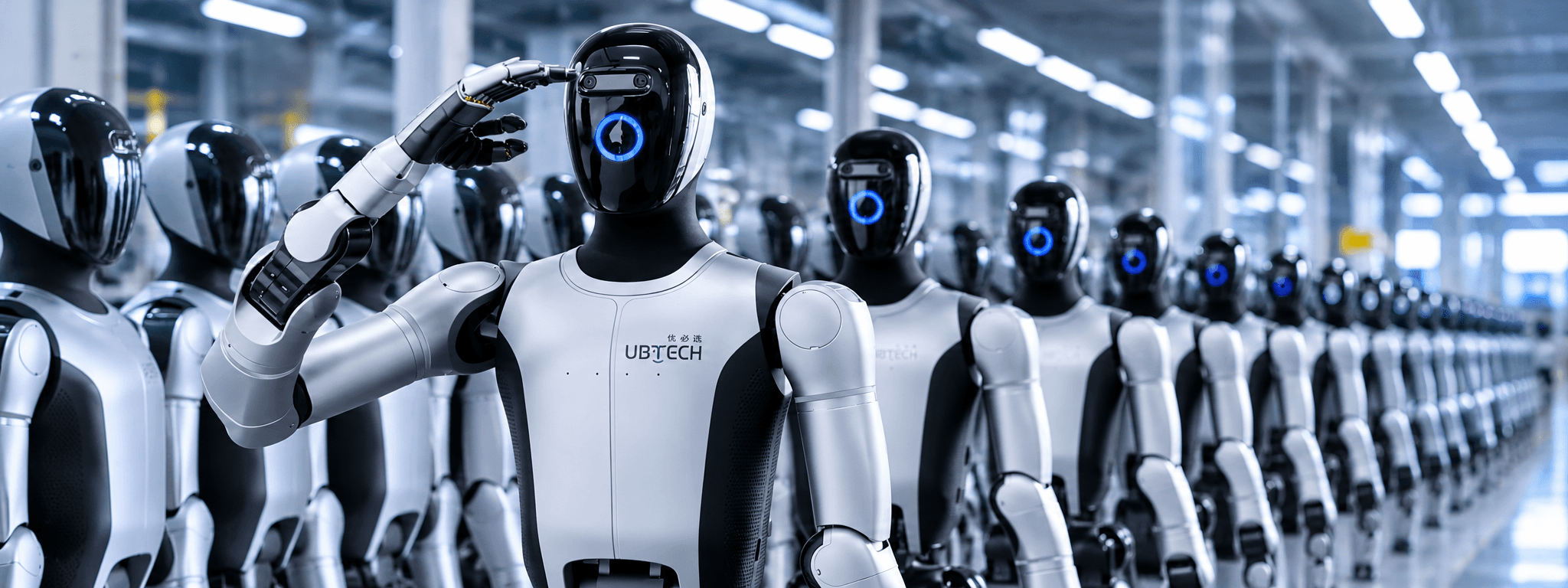
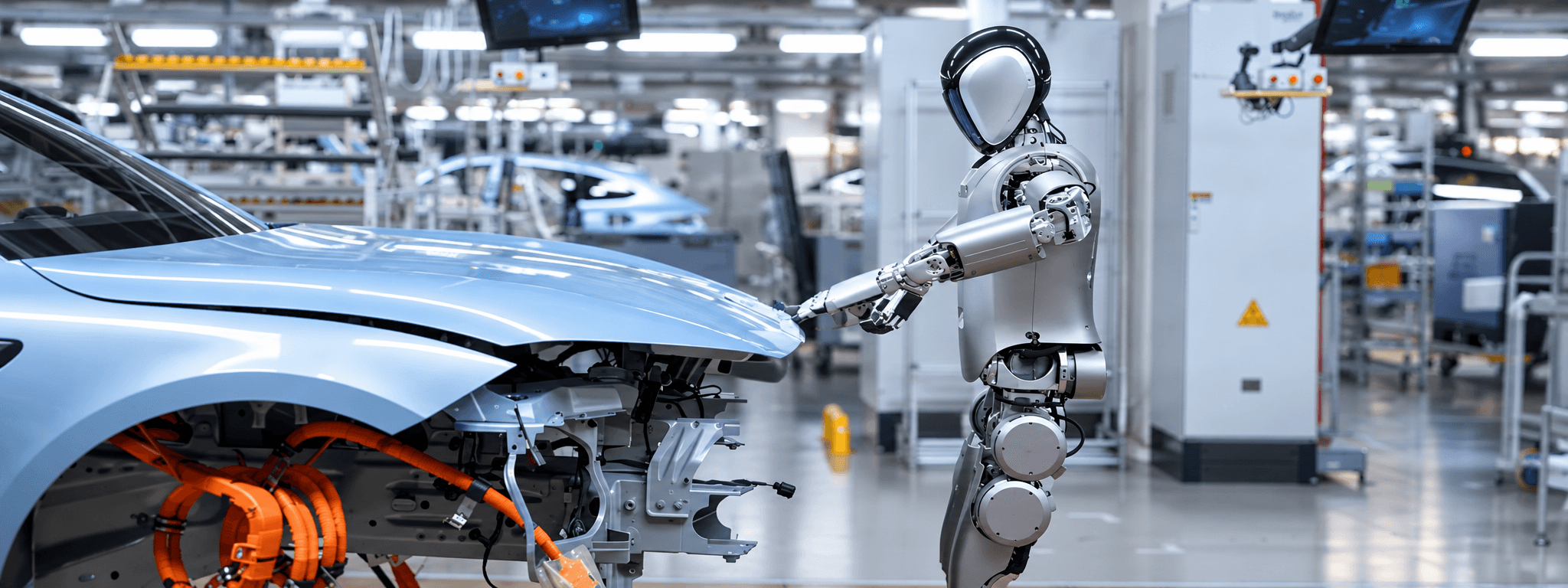
The unveiling is a different use of humanoid technology from UBTECH’s industrial Walker series, which targets manufacturing and logistics tasks. Xinyan and Xinyu instead emphasize human appearance, expression and speech, reflecting a category of humanoids built for media and public communication.
The developers have demonstrated the robots at a public event, but have not published independent benchmarks for their conversational accuracy, autonomy or reliability in routine newsroom operations.