
The new SDK allows developers to interact directly with Asimov 1 using Python, including sending walking commands, controlling individual joints and accessing information about the robot’s operating state.
It also provides access to onboard cameras, microphones and speakers, allowing developers to build applications that combine physical movement with visual and audio inputs.
The software supports multiple connection methods, including local UDP communication and remote operation through LiveKit.
Menlo Research has published documentation and example scripts covering basic robot operations, including standing, balancing, walking and retrieving system information.
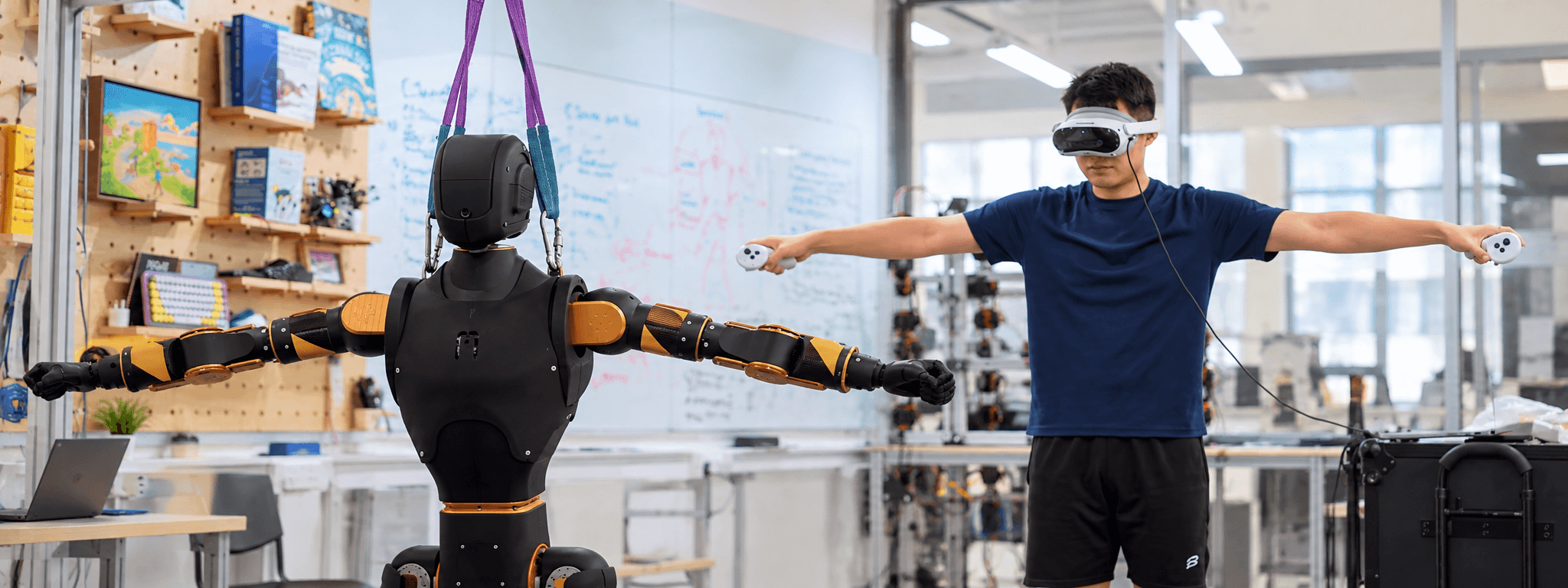
The accompanying demonstration shows the robot executing programmed upper-body movements, responding to commands from a virtual reality headset and running a locomotion policy through the SDK.
Alongside the developer tools, Menlo Research introduced plans to make Asimov Edge publicly available.
The software manages competing sources of robot control, including autonomous applications and human operators, and determines which commands are forwarded to the robot’s firmware.
This architecture allows developers to coordinate different applications while maintaining defined control priorities.
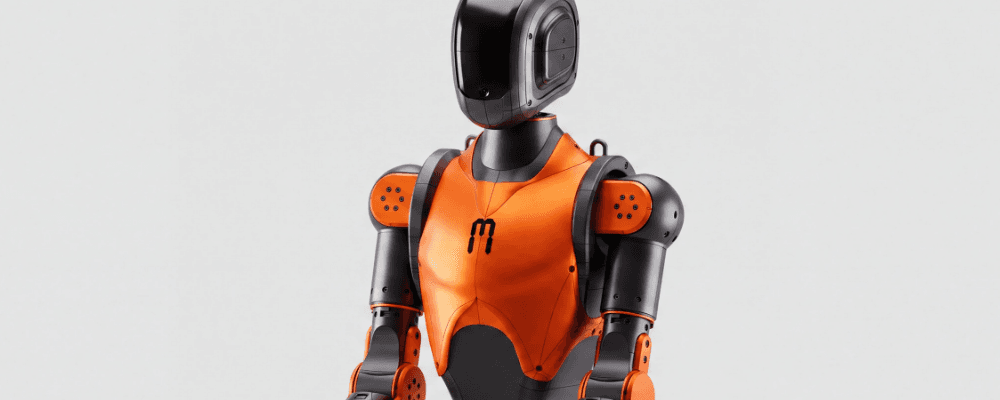
Asimov 1 is a 1.2-metre humanoid weighing approximately 35 kilograms, with 25 actuated degrees of freedom. Its hardware design, electrical schematics and simulation files have already been released through the project’s open-source repositories.