AI Stack
Capabilities and model layers highlighted by the company.
01Azure AI
02OpenAI partnership
03ROS support



American technology giant founded in 1975 by Bill Gates and Paul Allen, headquartered in Redmond, Washington. Actively investing in humanoid robotics through Figure AI ($95M) and Sanctuary AI partnerships. Provides Azure cloud infrastructure for robot AI training and deployment.
Microsoft is a global technology company whose cloud infrastructure, artificial intelligence, and developer platforms have become foundational to the next generation of robotics. Through Microsoft Azure, the company provides the cloud computing, AI services, simulation tools, and enterprise infrastructure that enable robotics developers to train, deploy, and manage intelligent autonomous systems at scale. Microsoft has also become a major strategic investor in humanoid robotics through its backing of Figure AI, while continuing to expand its AI infrastructure with tens of billions of dollars invested in global data centers. Combined with Azure AI, machine learning services, developer tools, and enterprise software, Microsoft plays a central role in the computing ecosystem supporting embodied AI and commercial humanoid robotics.
Platform maturity, autonomy stack, and flagship-system specifications in one view.
Capabilities and model layers highlighted by the company.
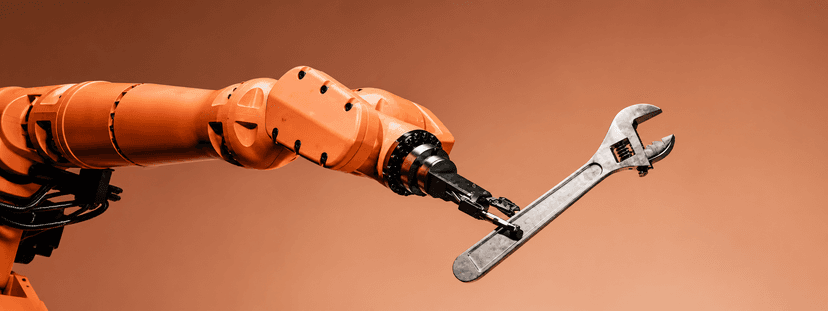
Mecka AI Raises $60M From Sequoia, NVIDIA and Microsoft to Scale Robot Training Data
Mecka AI has raised $60 million in Series B funding led by Sequoia Capital, with new investments from NVIDIA, Microsoft's M12, Qualcomm Ventures and Samsung.
 Robotico
General Robotics Says GRID Can Cut Robot Onboarding From a Month to Two Hours
General Robotics has introduced a major update to its GRID physical AI platform that uses AI agents to automate parts of the process of bringing robots into real-world operation.
Robotico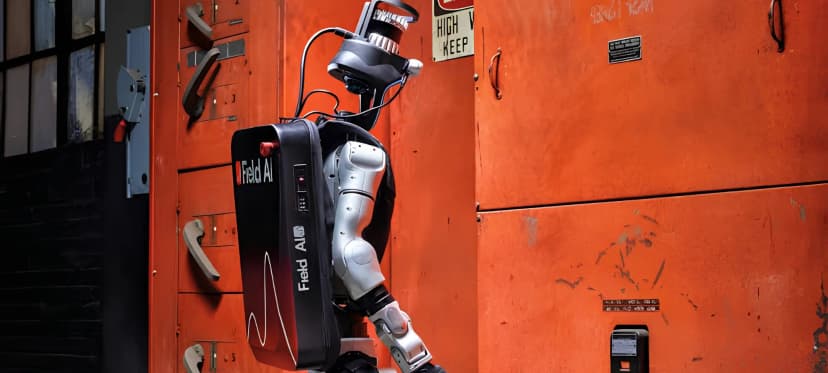
FieldAI: The Universal Robot Brain That Doesn't Build Robots
Born in the trenches of DARPA's hardest autonomy challenges and NASA JPL's Mars programs, FieldAI has crossed the $2B mark in 18 months without shipping a single robot. It wants to be the operating intelligence for every machine in motion.
Robotico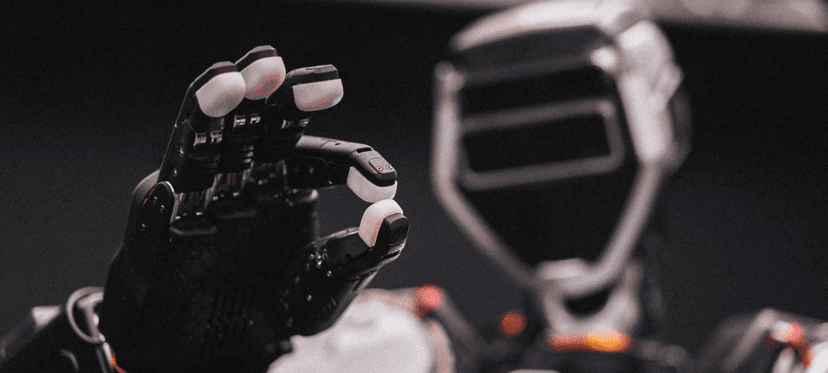
Sanctuary AI and the Robotic Touch
How a Canadian humanoid company turned dexterity and patents into real leverage in physical AI.
 Jess Alvarez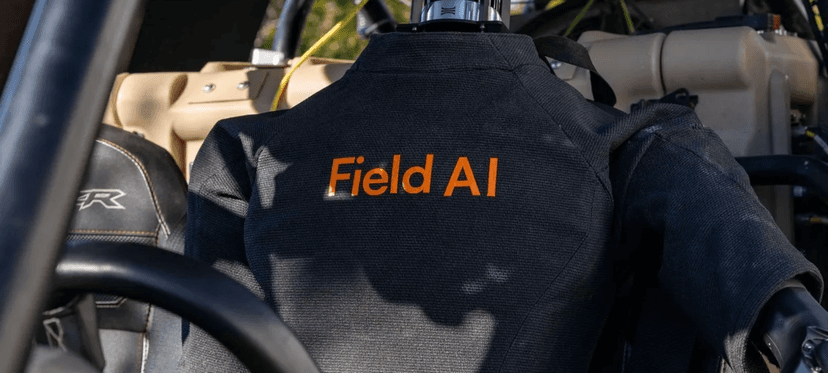
$405M in Two Rounds: The Investment Thesis Behind FieldAI's $2B Unicorn Status
In eighteen months, FieldAI went from stealth to unicorn without shipping a robot. The cap table reads like a conviction vote on a very specific thesis: in robotics, the brain is worth more than the body.
Jess AlvarezMicrosoft was founded on April 4, 1975, by Bill Gates and Paul Allen in Albuquerque, New Mexico. The company dominated personal computing through MS-DOS and Windows, then expanded into enterprise software, gaming, and cloud.
Azure, launched in 2010, became the world's second-largest cloud infrastructure. Microsoft's multi-billion-dollar investment in OpenAI beginning in 2019 established its AI leadership.
In February 2024, Microsoft participated in Figure AI's $675 million Series B, providing Azure infrastructure for humanoid robot training. It continued in Figure's $1 billion+ Series C in September 2025.
Microsoft's robotics strategy: rather than building robots directly, it positions Azure as the essential intelligence layer, providing AI models, cloud compute, and developer tools that humanoid robotics companies need worldwide.