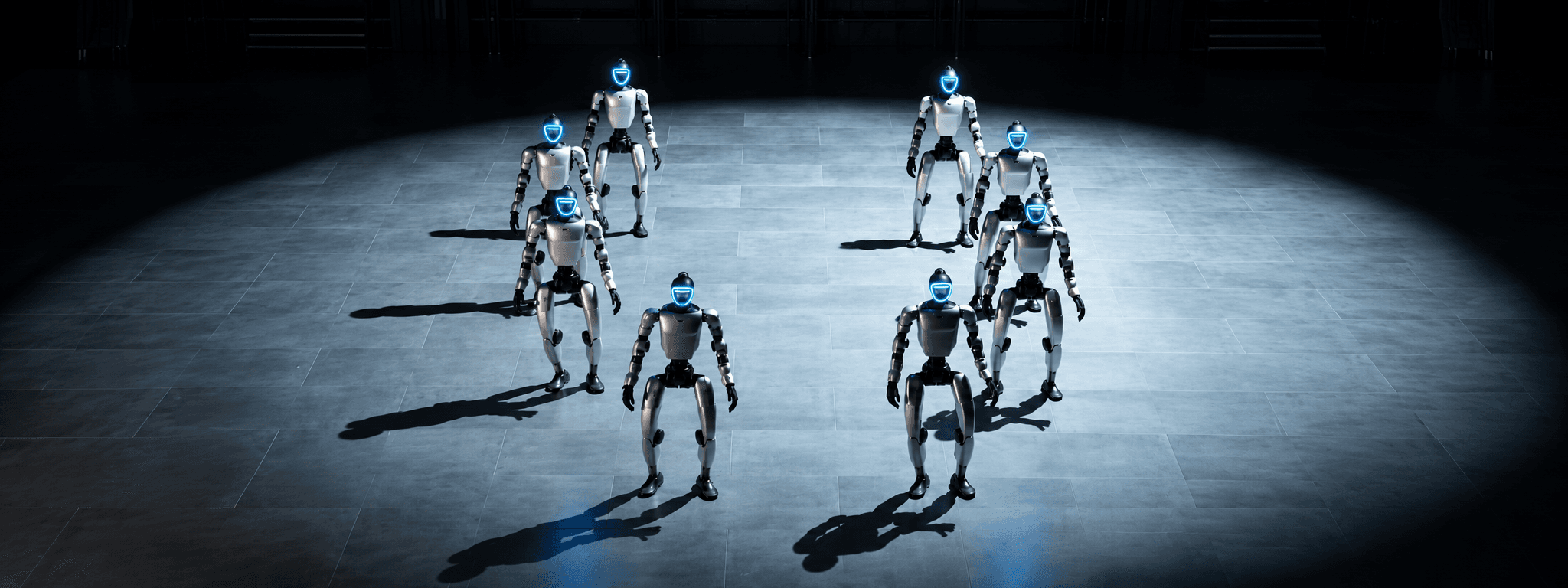

According to figures released by the companies, the humanoids have accumulated approximately 1,000 operating hours and assisted in processing more than 60,000 automotive components.
The robots perform a sequence of tasks involving identifying, grasping, transporting and loading small metal components into production equipment.
Each robot can handle components with internal diameters ranging from 80 to 120 millimetres, navigating an environment containing closely positioned material containers, loading stations and industrial equipment.
Leju reports a 98% loading success rate, with each operating cycle completed in less than 40 seconds.
The deployment covers 15 workstations and more than ten component types.
A reporter from Xinhua Finance visited the facility and observed robots adjusting their movements to accommodate variations in component positioning without remote human intervention.
The deployment also serves as a real-world training environment for Leju’s embodied AI systems.
According to the company, the 15 robots can collectively generate more than 40,000 operational data records per month. The data includes successful operations, errors and unusual conditions encountered during production.
Leju has developed a modular training and deployment system intended to reduce the time required to introduce new robotic tasks.
The companies also announced that operational data collected from the production line would be contributed to the OpenLET community under the OpenAtom Foundation.
The initiative is intended to provide robotics developers with access to industrial training data gathered from operating manufacturing equipment.
Although the reported results indicate sustained operation, the companies have not disclosed the total cost of deployment, human intervention frequency over the full operating period or a comparison with conventional industrial automation.