
Foundry Robotics has raised $100 million in Series A funding to expand an AI-powered assembly factory in Emeryville, California, where the company is building flexible robotic production lines for defense and commercial hardware. The round, announced October 28, was led by Marlinspike Partners and will support the development of a 130,000-square-foot facility, further deployment of AI models and hiring across robotics engineering and factory operations.
The financing also included existing investors Khosla Ventures, Red Glass Ventures, Hanabi and Zero Shot Fund, alongside new backers SE Ventures, Wing VC and Axiom Ventures. Foundry did not disclose a valuation. The company says its manufacturing footprint has expanded twentyfold as it builds capacity for complex electromechanical assembly.
Unlike robotics suppliers that sell equipment for customers to install, Foundry owns and operates the factory itself. Its customers purchase manufacturing services for products ranging from drone components and autonomous vehicle assemblies to wire harnesses, underwater vehicles, data-center infrastructure, rugged computers and satellites. The company targets hardware that can be difficult to produce economically on conventional lines, particularly when designs change or production volumes are limited.
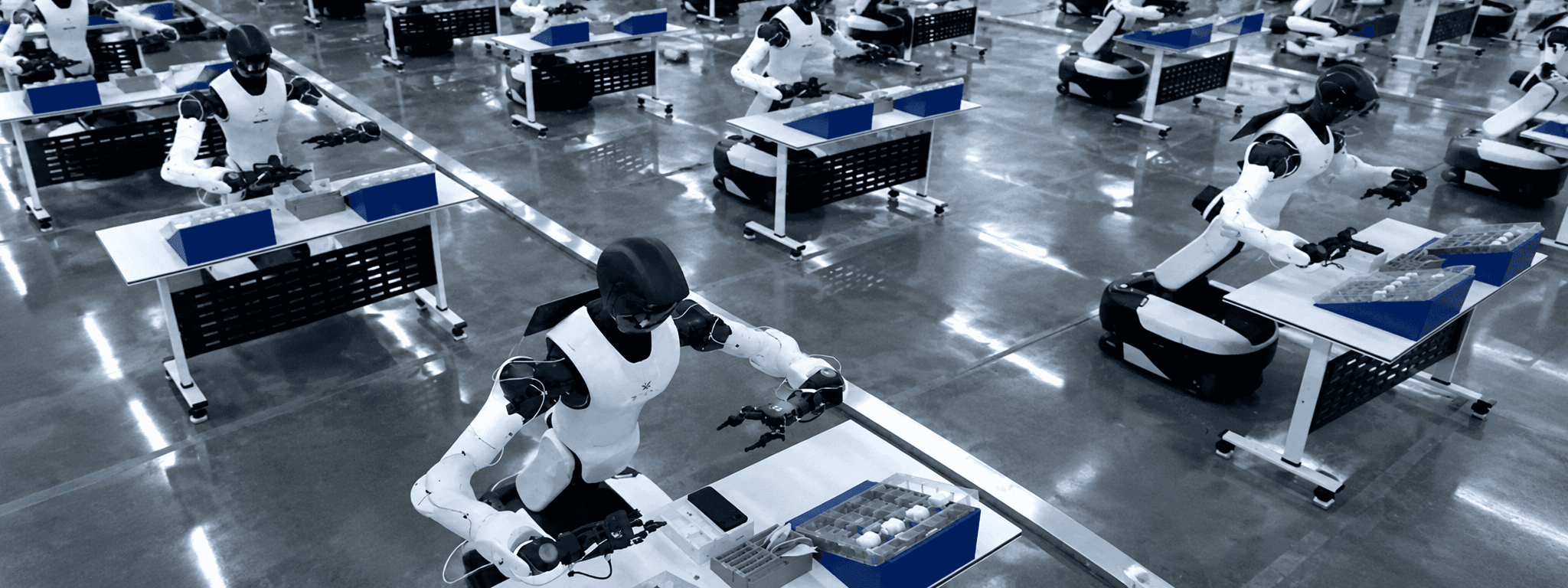
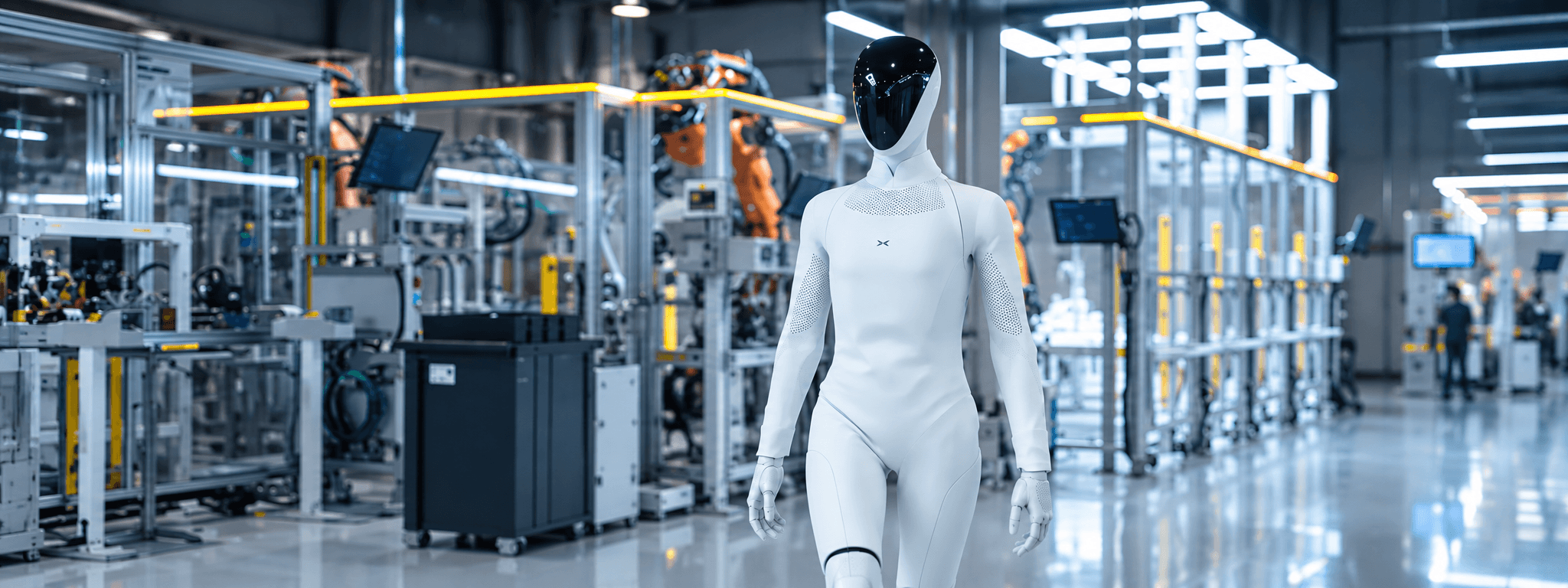
Inside the facility, modular robotic cells use physical AI models and local computing to carry out assembly steps. FoundryOS, the company’s factory management software, coordinates the cells, schedules production and manages changeovers between products. Experienced manufacturing employees work alongside the automated systems, rather than the plant operating without human staff.
Founder and CEO Adarsh Kulkarni said the company intends to design manufacturing facilities around robotics from the outset instead of adding automation to established production lines. Foundry says the Emeryville operation is registered under US International Traffic in Arms Regulations, allowing it to serve certain defense manufacturing requirements.
The company has not disclosed factory throughput, defect rates or the proportion of assembly work performed autonomously. Its announcement also did not identify customers by name or provide production volumes. The new capital will be used to build out the Emeryville site and expand the teams responsible for operating and improving its robotic assembly systems.