
XPENG has begun producing solid-state batteries for its IRON humanoid robot in small batches, marking a new manufacturing step as the Chinese automaker prepares the robot for commercial production. Vice President Gu Jie disclosed the development on October 28 at the Society of Automotive Engineers of China’s annual conference, while confirming that IRON itself has not yet reached the start-of-production stage.
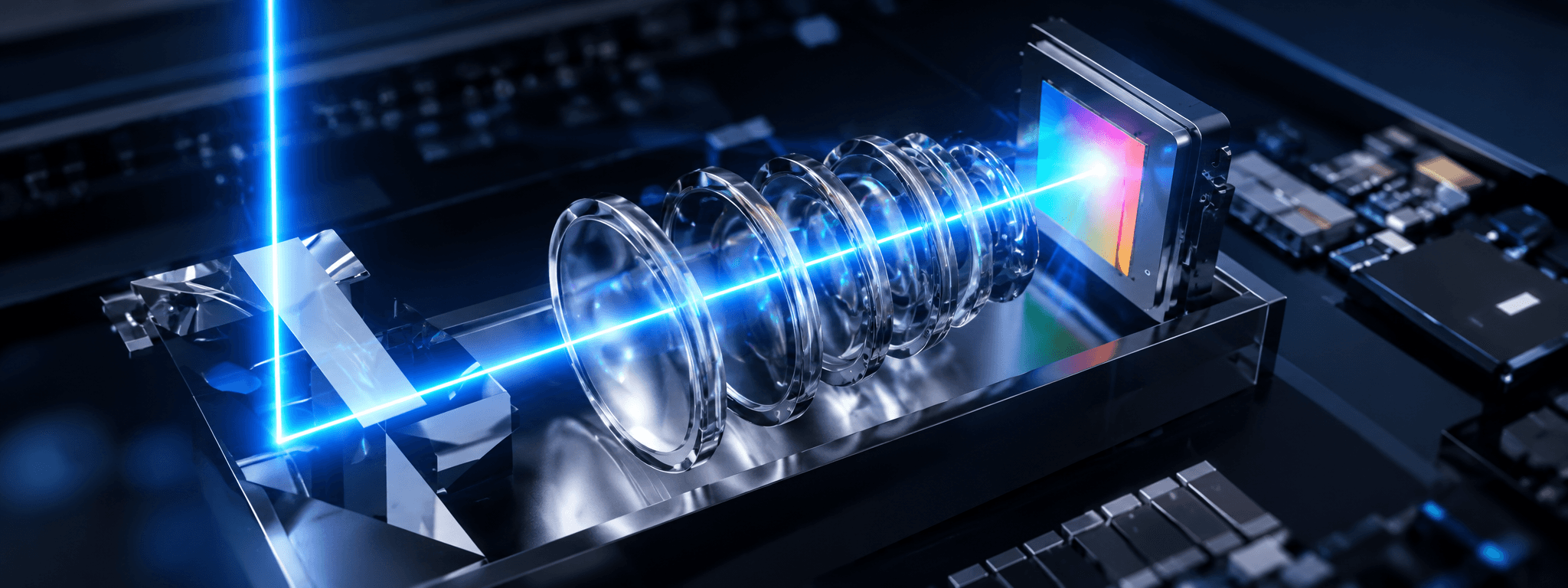
The battery was designed specifically for the humanoid’s limited internal space. According to Gu, XPENG prioritized high energy density and redesigned its safety requirements to limit the spread of thermal runaway. The company says the battery can withstand impact and nail-penetration tests, although it has not released detailed test results, capacity figures or the number of units produced.
The precise battery chemistry remains unresolved. When XPENG introduced its latest IRON humanoid in November 2025, it described the robot as using an all-solid-state battery, an approach intended to improve energy density and reduce weight. Reporting in September 2026 suggested the production version would instead use a solid-liquid hybrid, or semi-solid-state, battery because fully solid-state cells were not yet ready for the planned manufacturing schedule. Gu referred to the newly produced units as solid-state batteries without specifying which chemistry they use.
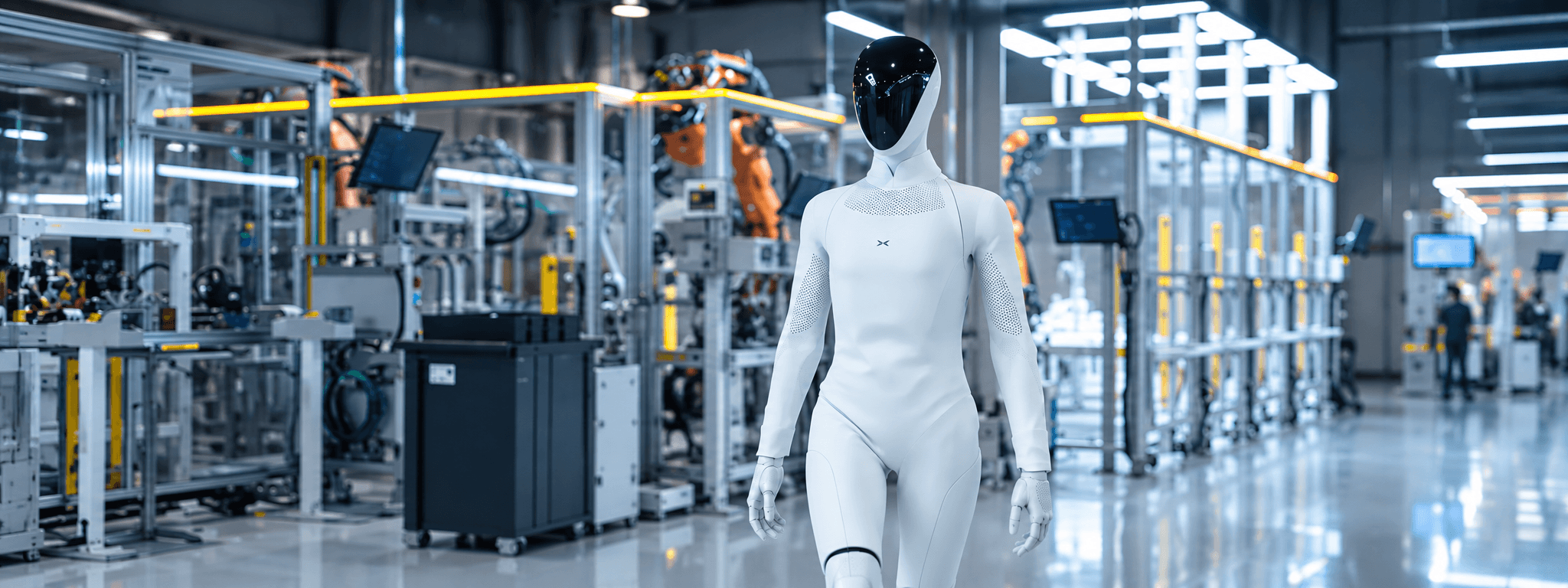
The update follows XPENG’s September opening of an automated IRON assembly line in Guangzhou. The company said more than 80% of the line’s core processes were automated and demonstrated a humanoid completing final assembly before walking off the production line. That was a manufacturing demonstration rather than confirmation of volume production.
XPENG continues to target mass production of IRON by the end of 2026, followed by commercial deliveries in 2027. The initial applications are expected to include visitor guidance and product presentations at XPENG stores and other commercial venues. Its robotics business raised more than $900 million in August at a post-money valuation exceeding $6.3 billion.
XPENG has not disclosed the battery supplier, the output of the small-batch run or whether the cells now being produced will be used in the final commercial version of IRON.