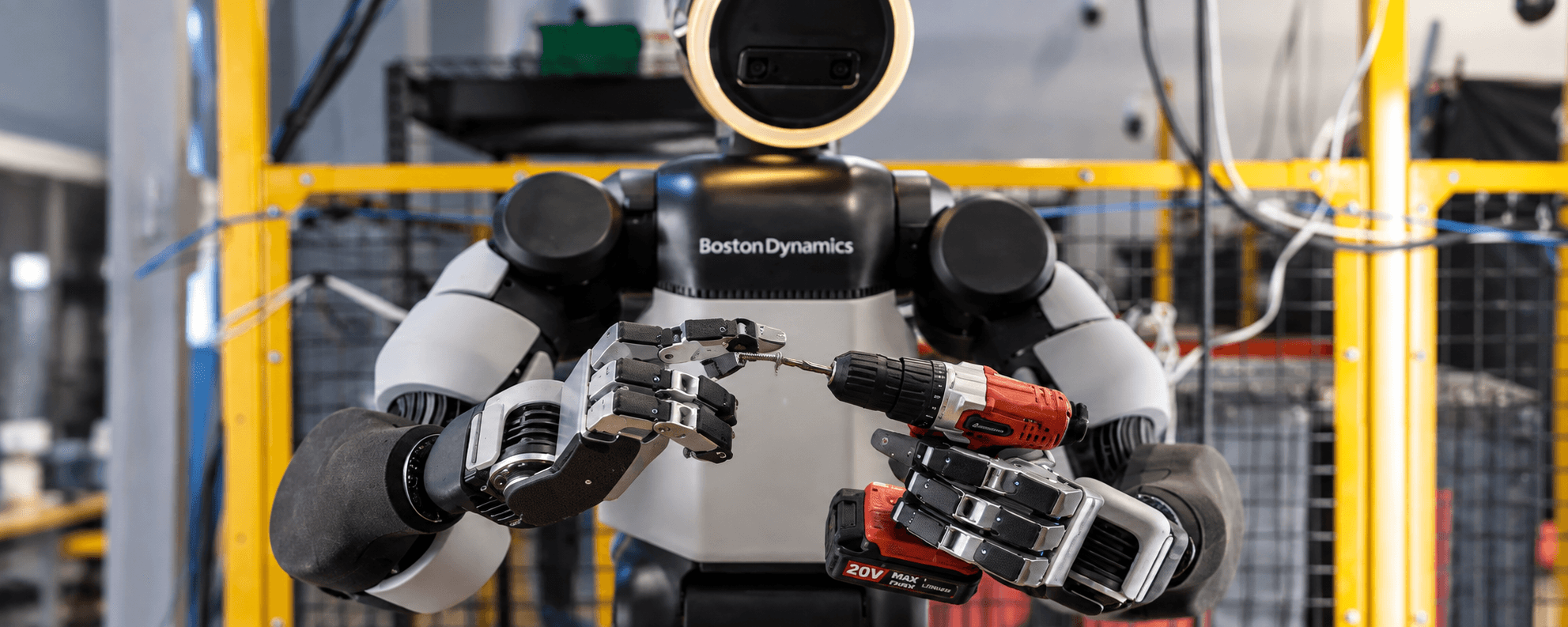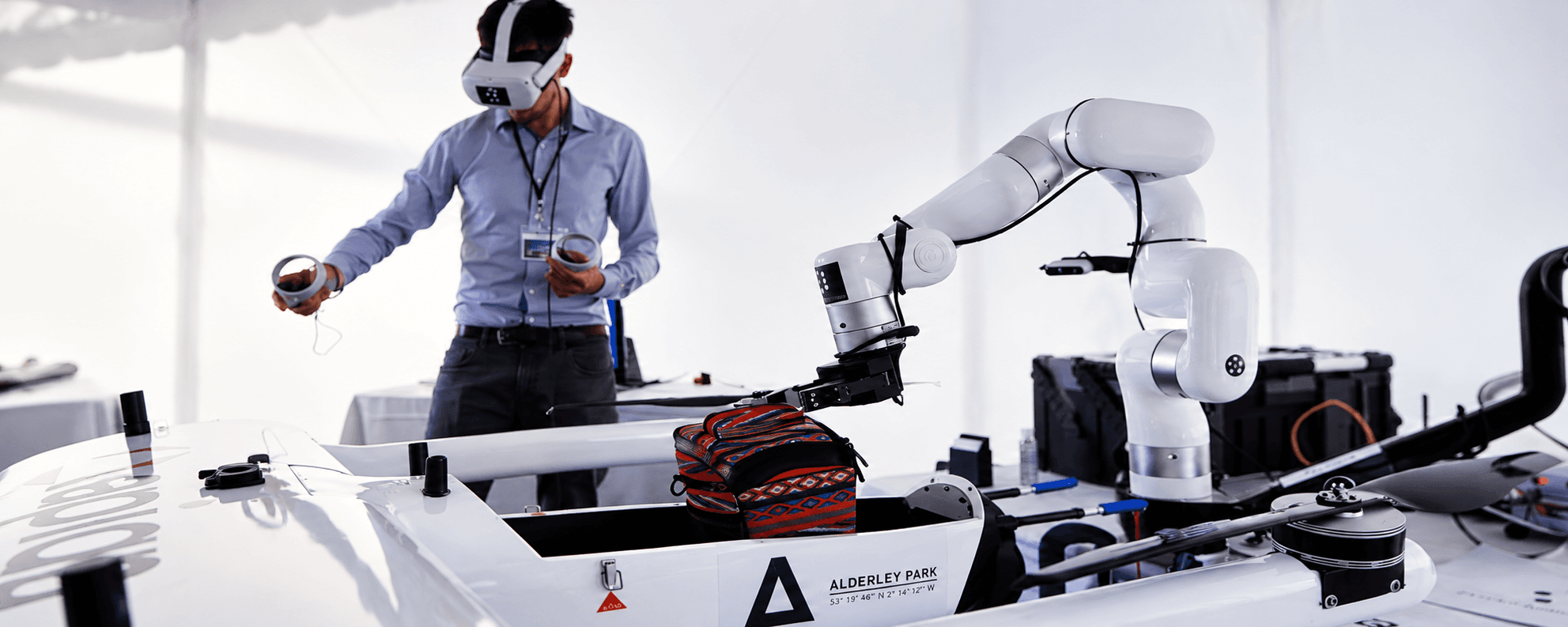

The companies will identify potential applications for humanoids in inspection, teleoperation, remote assistance and work in complex environments. The agreement covers analysis and testing rather than a confirmed commercial deployment, and neither company has disclosed robot volumes or a deployment schedule.
The collaboration also extends into the hardware behind GENE.01. Eni’s chemicals business Versalis and its subsidiary Finproject will explore new materials and components for the humanoid, including a lighter and more durable foot and sensorized shoe system designed to improve impact absorption, grip and assembly.
The companies will also assess the industrialization and commercialization of Generative Bionics’ sensorized footwear.
Eni could make its industrial facilities available for future robot production, assembly and testing. The companies are also considering cooperation around batteries, including their use, disposal and recycling during humanoid production.
On the AI side, Eni will evaluate providing Generative Bionics access to its high-performance computing infrastructure to support the development, training and validation of Physical AI models.
The agreement follows Eni Next’s investment in Generative Bionics in December 2025. Generative Bionics raised €70 million in the round from investors including CDP Venture Capital, AMD Ventures, Duferco, RoboIT, Tether and Eni Next.
GENE.01 is Generative Bionics’ full-size humanoid platform. The robot uses distributed tactile skin capable of sensing touch, proximity, force and temperature and is being developed for industrial applications.