
XPENG published details of WorldGPT on November 24, 2026, describing a foundation model intended to support learning across multiple forms of physical hardware. The model belongs to the company’s Turing World Model research family.
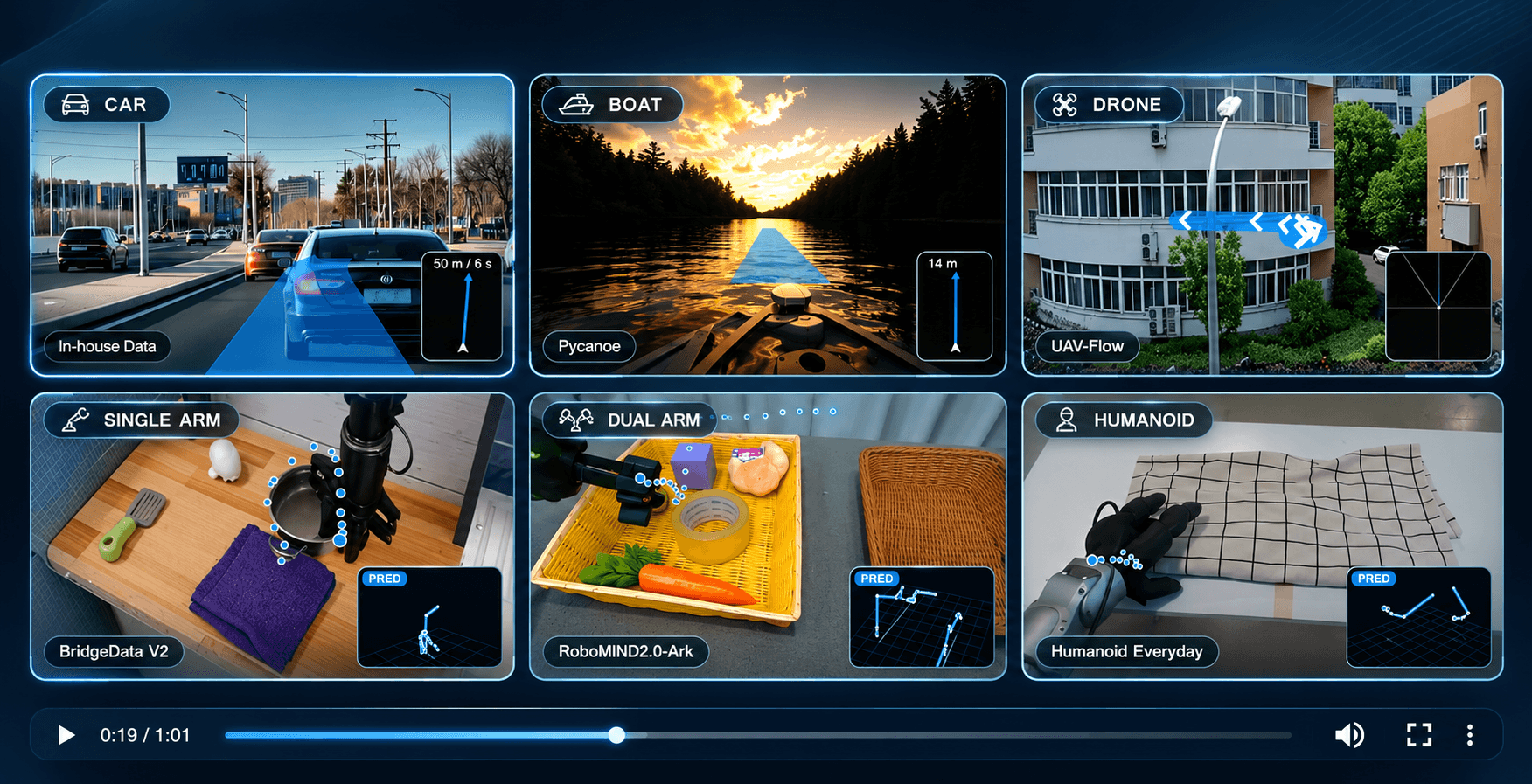
The system draws on information from six machine categories: automobiles, boats, aerial drones, single-arm manipulators, dual-arm robots and humanoids. Its design seeks to reuse knowledge about physical interactions rather than requiring each hardware platform to learn entirely independently.
WorldGPT operates as a teacher in the cloud. Its learned representations can be transferred into smaller models tailored to individual devices. Using visual observations and instructions, the system can produce predictions of future scenes, proposed movements and explanations of its reasoning.
Robotics benchmark results
XPENG reported a 95.2% mean success rate in an evaluation covering 50 manipulation tasks involving one robotic arm. The company also reported 12 leading benchmark results across four research areas, including robotics, driving, visual comprehension and video synthesis, measured as of November 12.
These figures describe research evaluations rather than evidence of a commercial humanoid deployment. The November 24 announcement does not establish that the full cloud model runs directly on the company’s IRON humanoid or that equivalent success rates have been achieved on that platform.
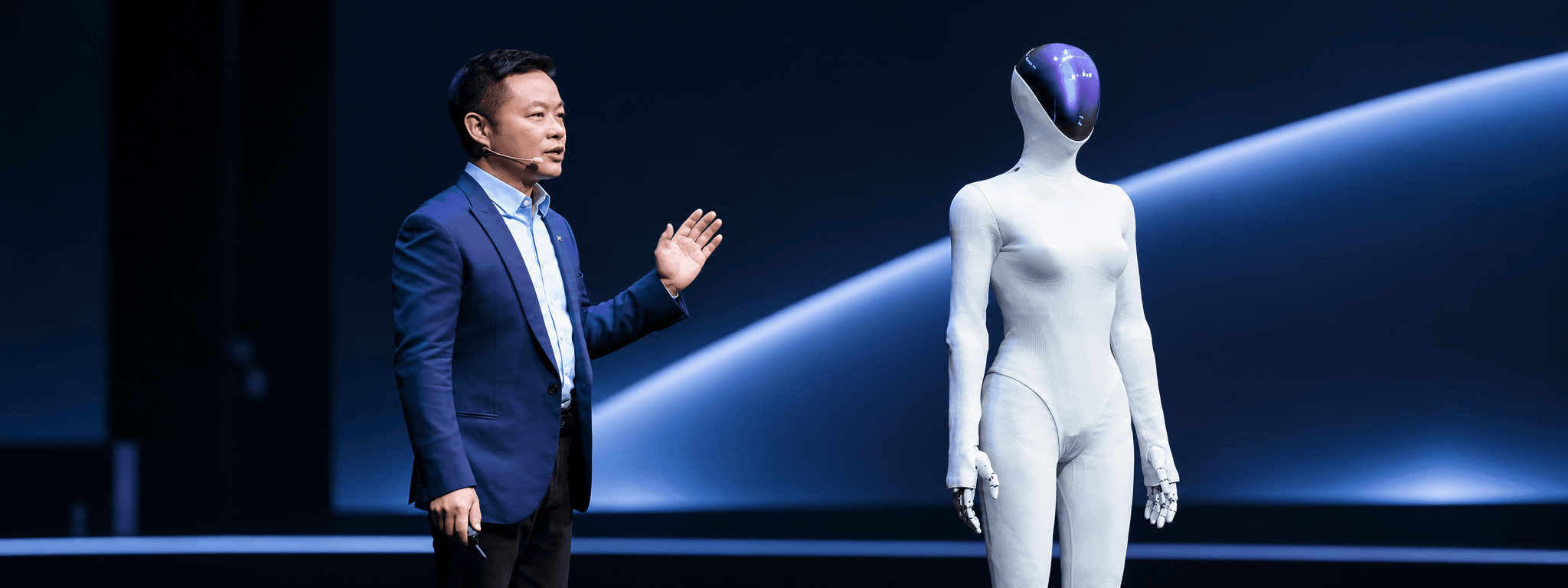
The publication comes ahead of XPENG’s annual AI Day in Guangzhou on November 25, where the company plans to showcase its latest humanoid robotics and mobility technologies.
More here: https://www.xpeng.com/pressroom/news/01a20bcf44b3a1e838d68a02a2110153
Source: XPENG