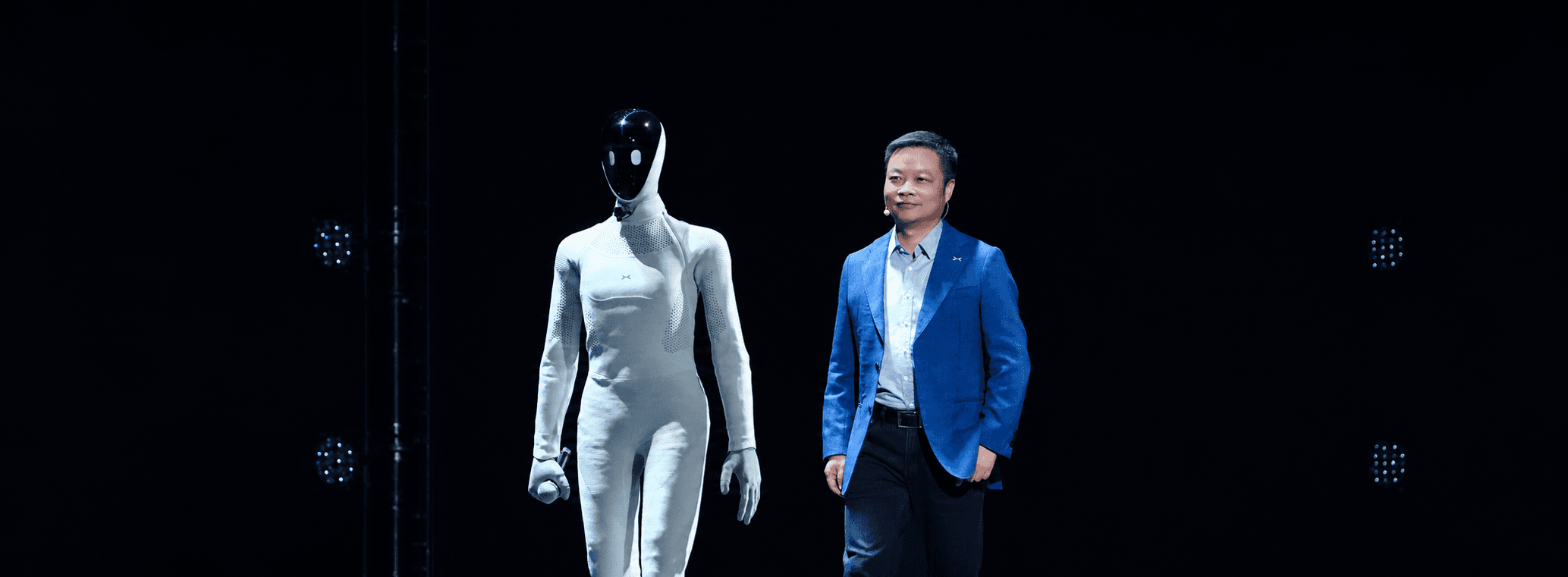

XPENG presented its latest IRON humanoid robot and introduced the Turing Physical AI Architecture (VLA 3.0) at its annual AI Day in Guangzhou on November 25, 2026.
IRON has 76 degrees of freedom, three in-house Turing processors and more than 1,500 touch sensors. The robot is designed to navigate independently, receive assignments through spoken commands or an app, return to its charger and monitor its own operating condition.
XPENG plans to train IRON as a retail assistant in its Chinese stores during the first quarter of 2027, followed by a public launch in the second quarter. These dates are targets, not completed deployments.
Turing Physical AI Architecture
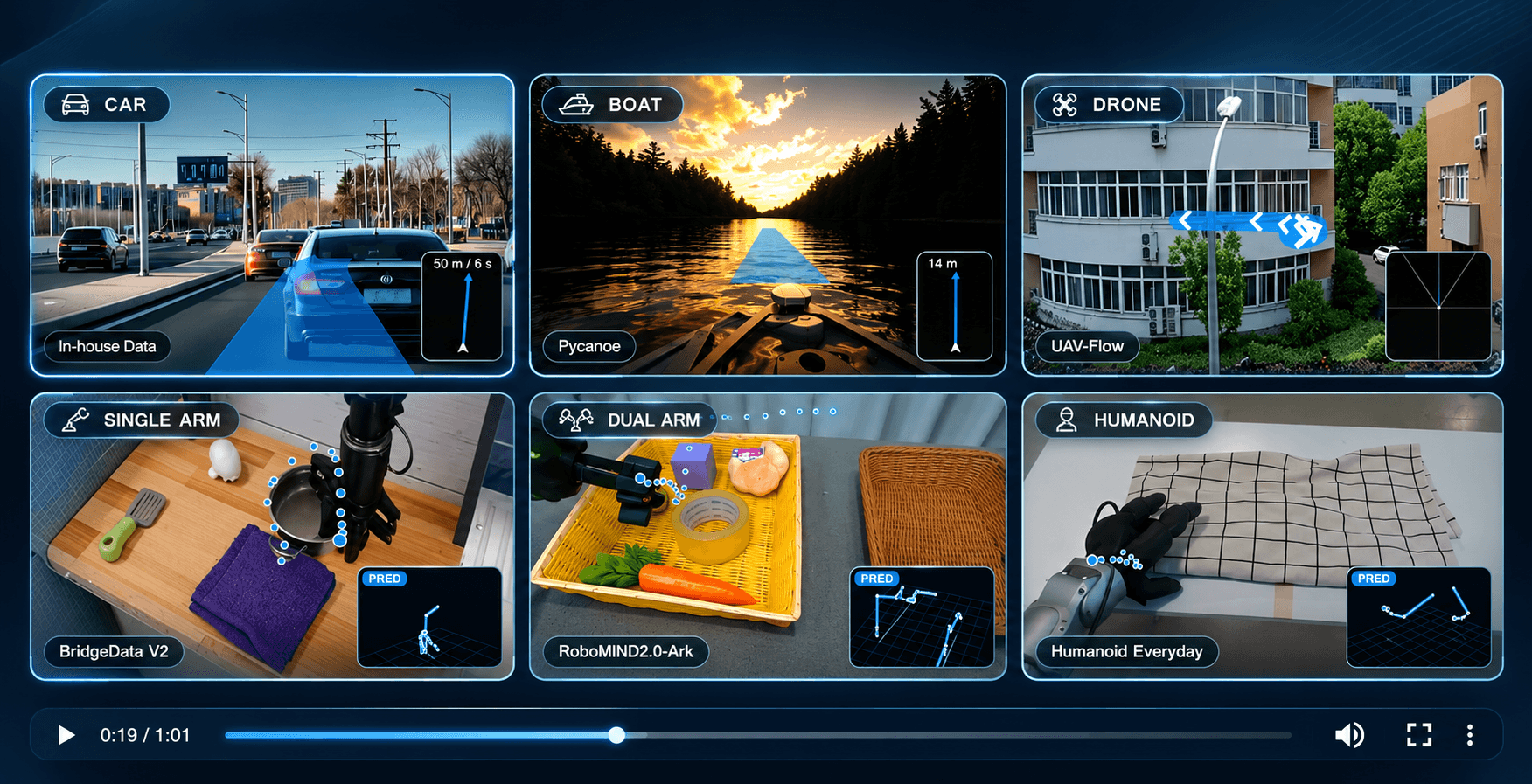
The new architecture divides robot intelligence into three layers. System 2 handles reasoning and task planning, System 1 converts environmental observations into immediate actions, and System 0 manages low-level hardware control and physical feedback. XPENG intends to use the framework across both robots and vehicles.
The company has also developed a dedicated robotics data facility spanning more than 250 scenarios across 15 occupational categories. It uses software and evaluation infrastructure developed for XPENG’s automotive business to support robot training.
XPENG commissioned its humanoid production line in September, when the latest IRON walked off the assembly line. Its manufacturing process incorporates more than 600 automated inspection criteria and over 1,000 component and robot tests.
The proposed business model includes robot sales and recurring software payments. XPENG is developing a platform where external developers and commercial partners can build, test and install new robot capabilities.