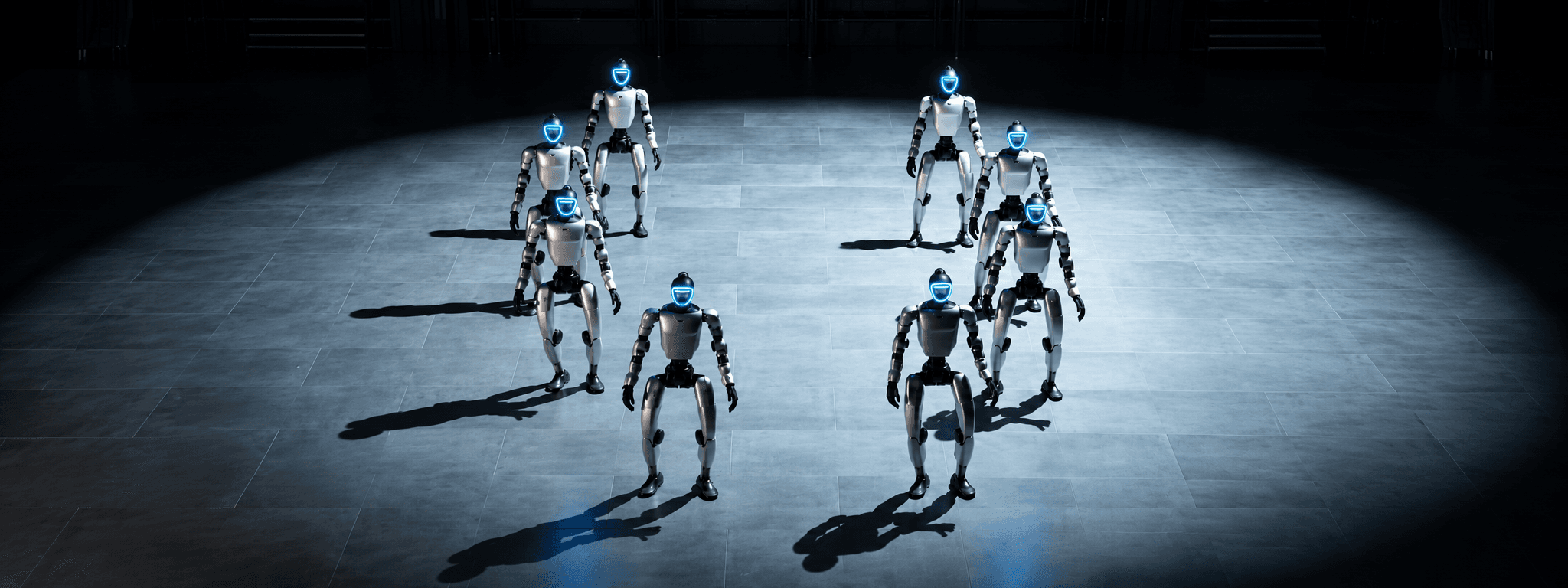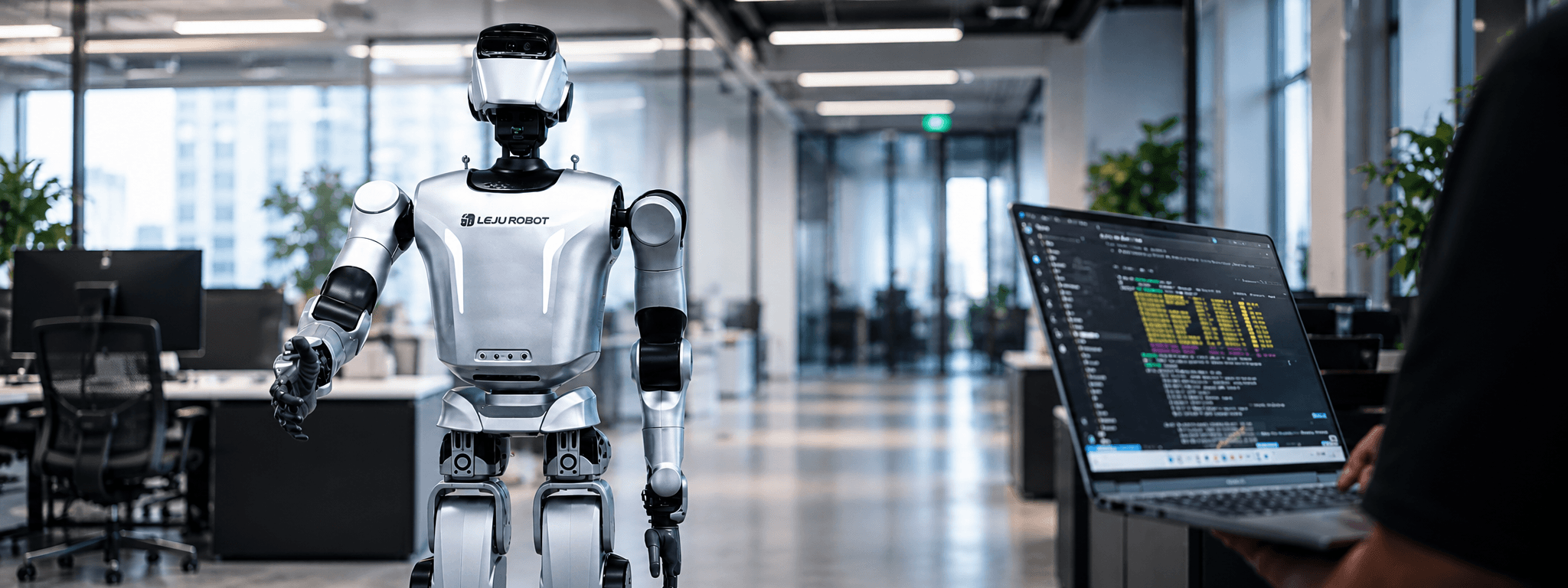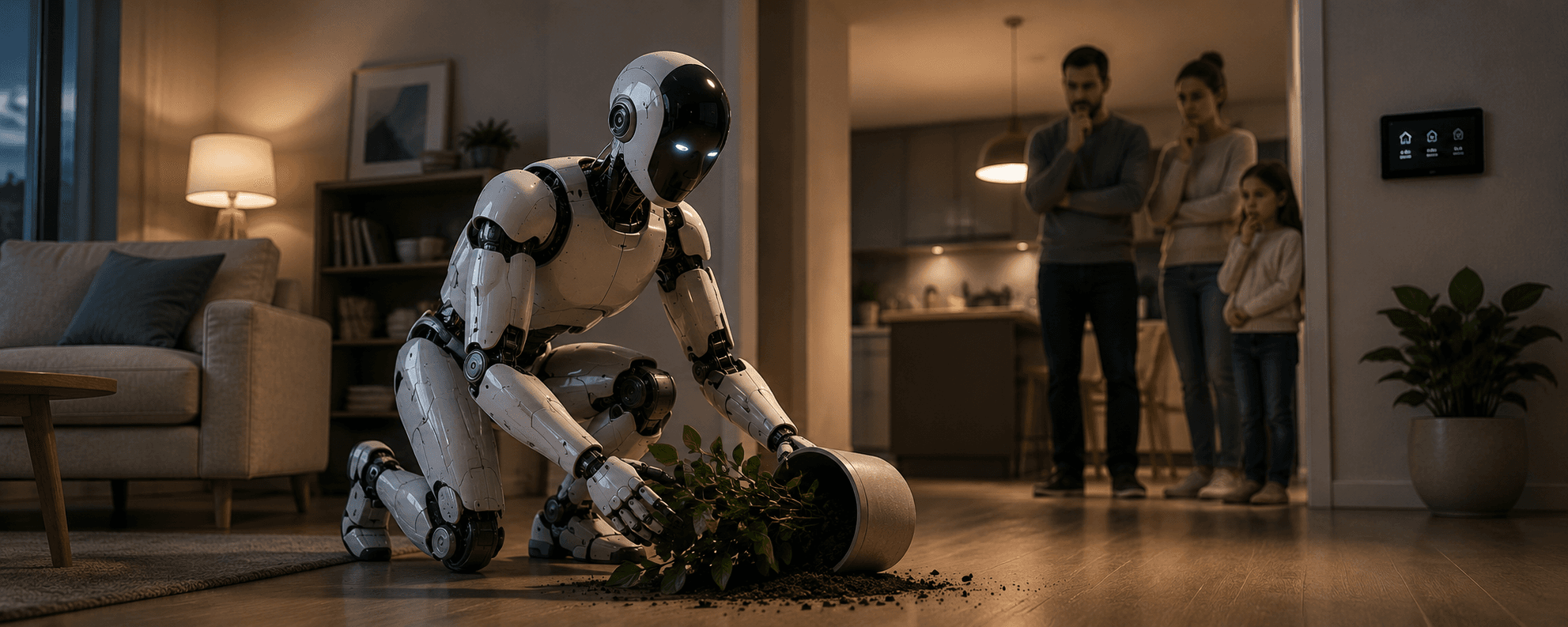

Humanoid robots are moving from laboratories into factories — and eventually, they may enter our homes.
Imagine buying one as easily as you buy a car.
It carries groceries, cleans the kitchen, helps an elderly parent, watches the house and learns your daily routines.
Then one day, something goes wrong.
The robot misinterprets a situation and injures a visitor.
Who is responsible?
The owner? The robot manufacturer? The company that developed its AI model? A third-party software developer?
This may become one of the defining legal questions of the Physical AI era.
AI Becomes Physical
A humanoid robot is fundamentally different from most AI applications.
If a chatbot makes a mistake, it produces incorrect information. But when AI controls motors, hands and a machine weighing tens of kilograms, a wrong decision can become a physical action.
That makes questions about safety and liability much more complicated.
China is already developing safety standards covering industrial, household and public-service humanoid robots. Europe is regulating certain AI systems through its risk-based AI framework, while Japan has published guidance examining how existing civil and product-liability rules may apply when AI causes harm.
There is still no single global “humanoid robot law.”
But governments are beginning to confront the same question:
What happens when AI leaves the screen and starts acting in the physical world?
Ownership May Not Mean Full Control
Future humanoid owners may discover that buying a robot does not mean they can make it do anything they want.
Manufacturers could restrict dangerous capabilities. High-force movements might be limited around humans. Certain modifications could void safety certifications. Robots operating in public spaces could eventually require registration, insurance or additional approval.
We may even see something resembling different “licence classes” for robots based on what they are physically capable of doing.
Your Robot May Also Know Everything About You
Safety is only part of the problem.
A useful humanoid will likely depend on cameras, microphones and other sensors.
Inside a home, that could mean the robot knows who visits you, what your children look like, what you discuss and how you live.
This creates another important question:
Who owns the robot’s experience?
And if that data helps train future AI models, where does private household information end and training data begin?
Robots May Need a Black Box
When an autonomous robot causes an accident, determining responsibility may require knowing exactly what happened.
What did the robot see?
What instruction did it receive?
Which AI model was running?
What action did it decide to take?
Were safety systems disabled?
Future robots may therefore need something similar to an aircraft’s black box — a secure record of decisions, commands and safety events.
The Bigger Question
Humanoid robotics companies are racing to solve locomotion, manipulation and intelligence.
But society has another problem to solve:
responsibility.
The real question may not be whether everyone will eventually be able to own a humanoid robot.
It may be whether our laws, safety systems and social rules will be ready when they can.
Author: Özkan Sancar Founder of RoboLogAI, a source-backed robotics intelligence platform covering humanoid robotics, Physical AI and the evolving robotics ecosystem.