
Every few weeks, a new humanoid robot video goes viral. It folds laundry, makes coffee, walks a warehouse floor. It’s easy to watch these and assume the sector is further along than it is — or, in the other direction, to write everything off as staged theater. Neither read is quite right, and the gap between them is exactly what a research conference like IEEE Humanoids exists to close.
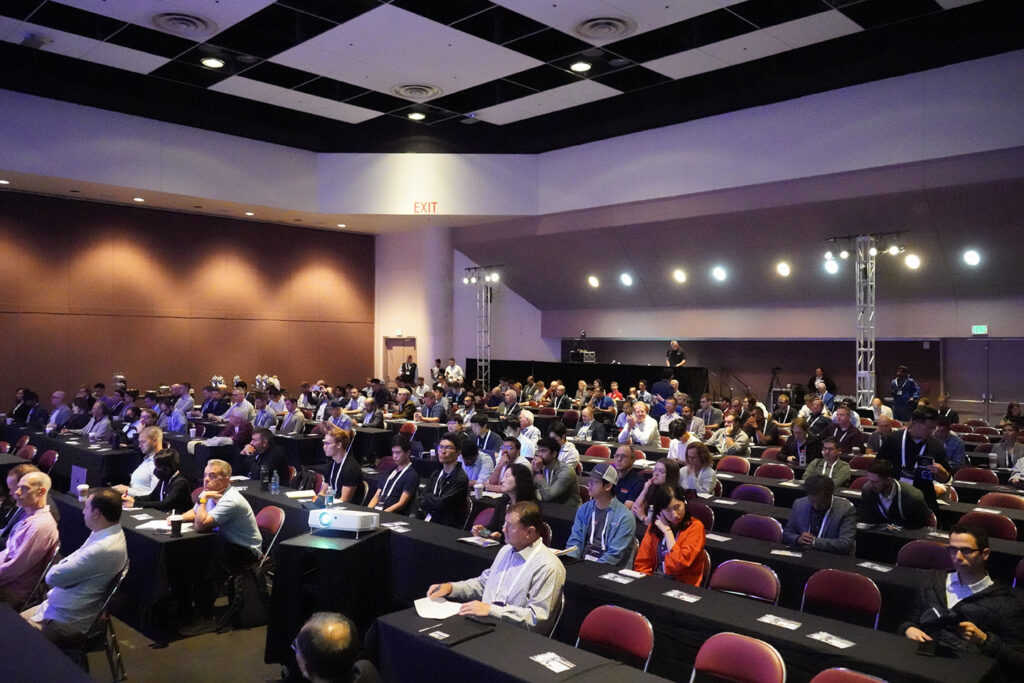
This December 6–9, the IEEE-RAS International Conference on Humanoid Robots — its 25th edition — lands in Santa Clara for a run that’s expected to draw over 1,200 attendees and 200+ paper submissions. The special topic this year is “Humanoids and the Future of Work,” a notable shift for a conference that has historically centered on walking, balance, and control. This time, labor conditions, safety certification, and deployment economics sit alongside the technical program — a sign the field itself has moved from “can it walk” to “should it be on your factory floor.”
That shift is exactly why this is a good moment to talk about how to actually evaluate what comes out of an event like this.
 The tell: methodology vs. spectacle
A marketing demo answers one question: can this robot do the task, at least once, under ideal conditions? A research paper or conference disclosure is usually trying to answer a harder one: how often does it work, under what conditions, and how do we know?
A few concrete differences worth watching for in December:
Demo reels rarely show failure rates. Peer-reviewed papers and formal benchmarks do. If a claim comes with a success percentage, sample size, or number of trials, that’s a different category of evidence than a single clean take.
Conference benchmarks are often adversarial by design. One of the more closely watched parts of this year’s program is expected to be a public loco-manipulation challenge — testing a robot’s ability to walk and manipulate objects simultaneously, under conditions the team doesn’t fully control. That’s structurally different from a company filming its own robot in its own facility.
Company keynotes and paper sessions are not the same thing. Industry forums (expected Dec 8–9 alongside the academic program) are still marketing, just in a more technical register. A genuine research disclosure has usually gone through some form of peer review or public benchmarking before it reaches the stage.
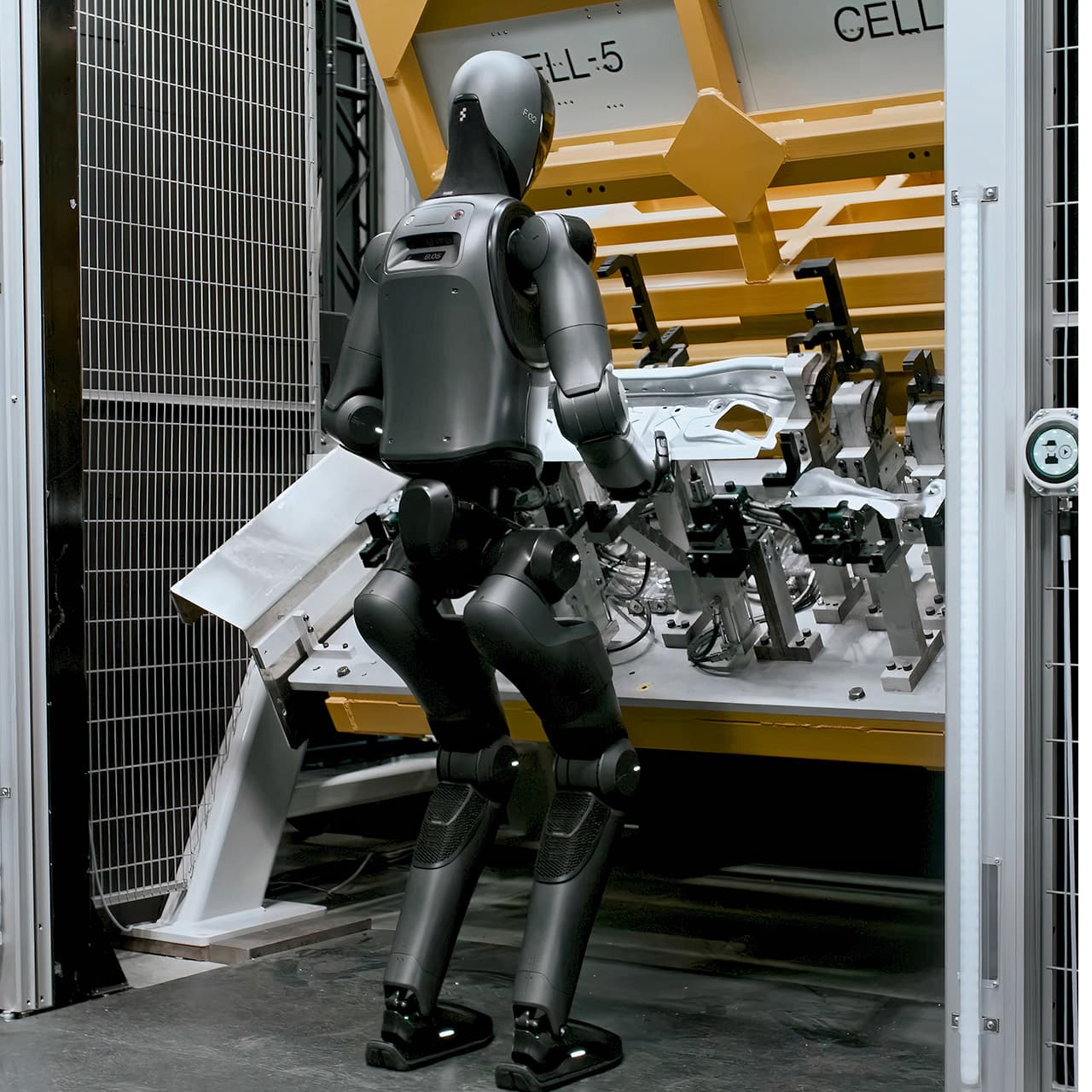
Numbers that come from the company itself are worth a different level of trust than numbers that don’t. Figure AI’s disclosed production data — yield rates, actuator counts, inspection checkpoints — is a good recent example of a company publishing verifiable operational detail rather than just a highlight clip. That’s the standard worth holding other announcements to.

What’s actually on the table this year
Reporting on the closed paper-submission window points to a program shaped less by flashy demos and more by deployment mechanics: safety certification standards, worker impact, task allocation between robots and humans, and liability — questions that only really surface once robots are seriously being considered for live floors, not lab corridors. Boston Dynamics has already shipped its first commercial Atlas units this year to Hyundai’s training center and to Google DeepMind, which gives the “future of work” framing something concrete to point at rather than treating it as a hypothetical panel topic.
The framework to carry into December
When a headline comes out of Humanoids 2026, three questions separate a real signal from a good clip:
- Is there a number attached, and does it come with a sample size or trial count?
- Was it tested somewhere the company didn’t fully control the conditions?
- Would the same claim hold up if repeated 350 times, not once?
None of this means demos are worthless — they’re often the first honest look at what a platform can do at all. But the difference between “this robot did this” and “this robot does this reliably, at scale, and we can show you the data” is the entire distance between a lab prototype and something that belongs on a factory floor. December will be a good test of how much of the sector has actually made that crossing.