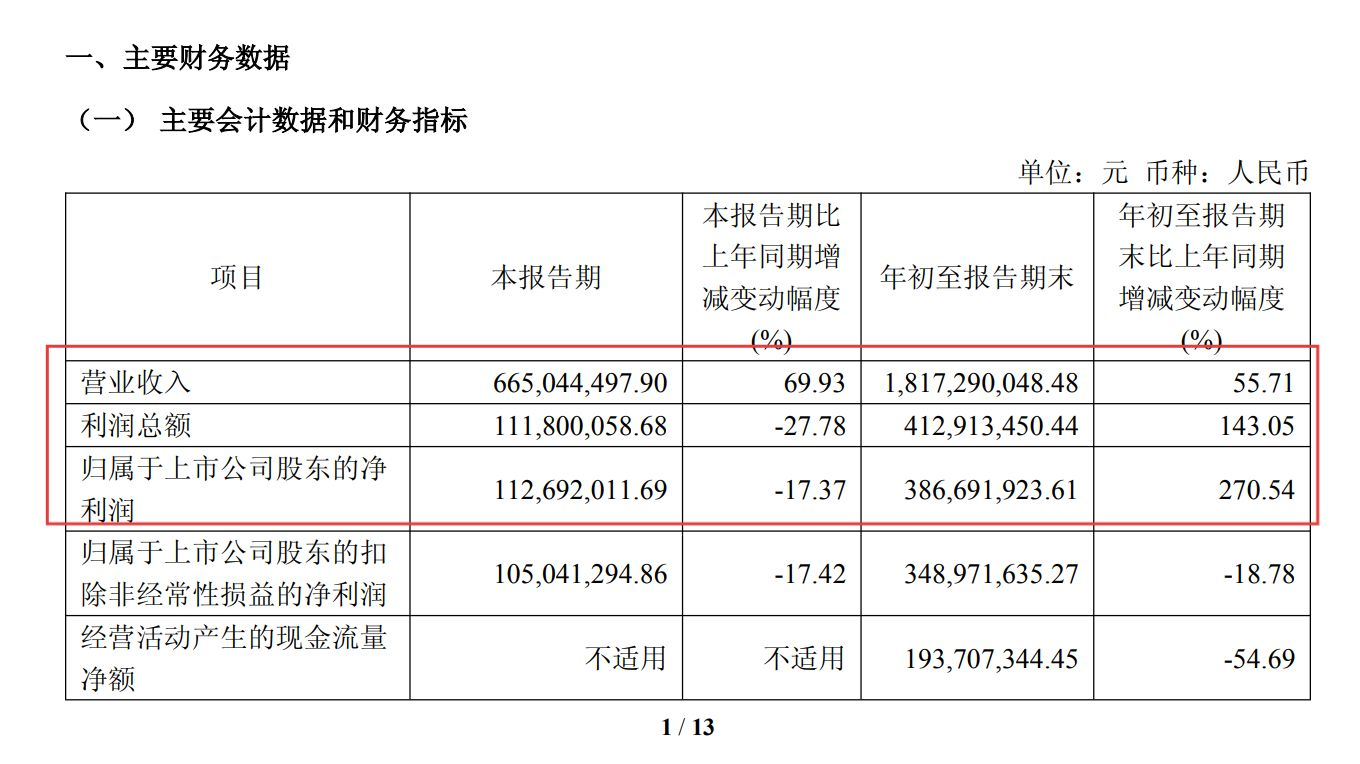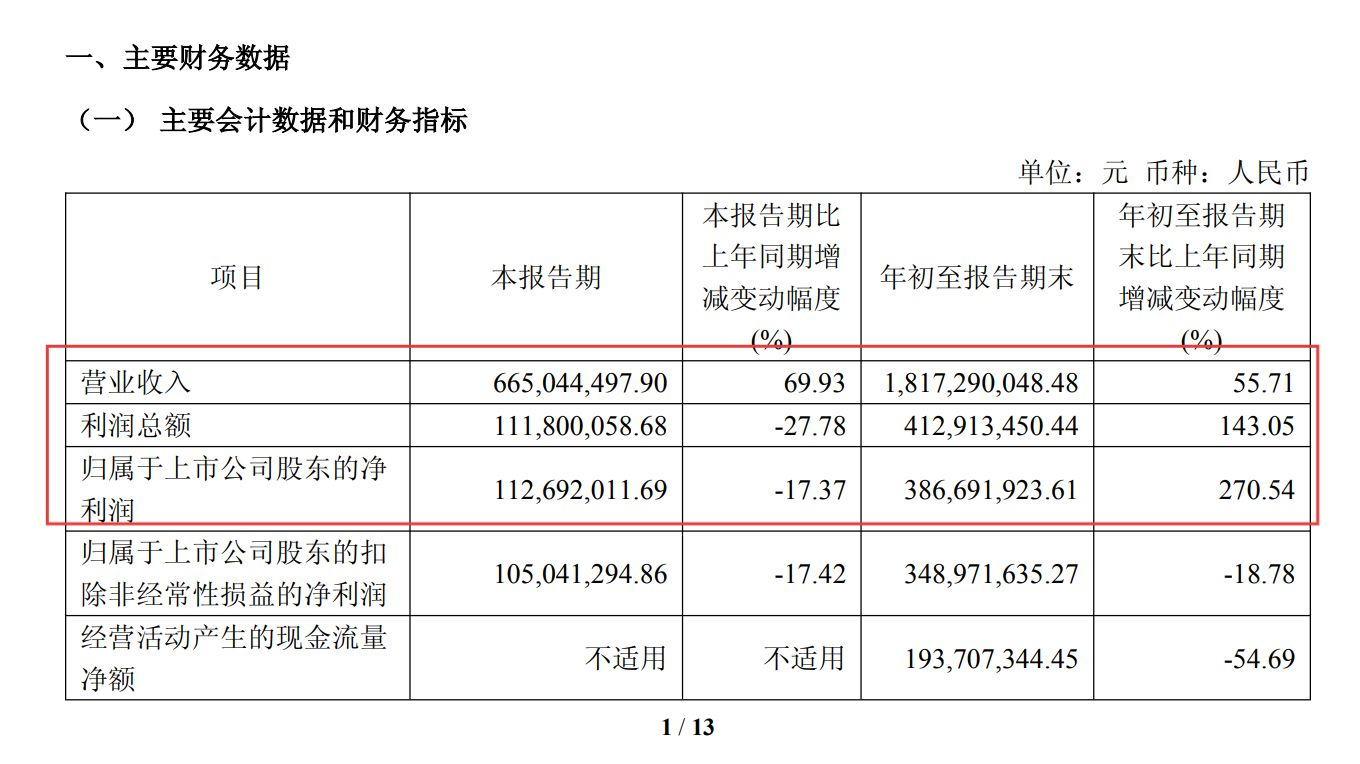

Unitree Robotics reported a 69.93% year-on-year increase in third-quarter revenue to RMB 665 million, as the Chinese humanoid robot manufacturer sharply increased its investment in research and development. Profitability moved in the opposite direction, highlighting the growing cost of competing in embodied AI.
For the July-to-September quarter, net profit attributable to shareholders fell 17.37% to RMB 112.7 million. Profit excluding non-recurring gains and losses declined 17.42% to RMB 105 million. Meanwhile, quarterly R&D investment reached RMB 127 million, an increase of 249.58% from a year earlier. Research spending accounted for 19.1% of revenue, up 9.82 percentage points.
The picture across the first nine months of 2026 was more mixed. Revenue rose 55.71% to RMB 1.817 billion, while attributable net profit increased 270.54% to RMB 386.7 million. Yet profit excluding non-recurring items fell 18.78% to RMB 349 million. That distinction matters: the headline profit increase does not translate into comparable growth in underlying earnings. Unitree’s earlier disclosures indicated that share-based compensation charges in the prior-year period affected the year-on-year comparison
Research investment for the nine-month period reached RMB 262.9 million, up 191.48%, equivalent to 14.47% of revenue. Operating cash flow declined 54.69% to RMB 193.7 million.
Unitree’s business spans humanoid robots, quadrupeds and robotic components, so the reported revenue growth should not be interpreted as growth in humanoid sales alone. Still, the results offer a revealing view of the economics behind one of the sector’s most prominent manufacturers.
The company has been investing in robot hardware, motion control and embodied AI models while expanding its commercial reach. Its latest figures show that demand and revenue are growing, but the cost of developing increasingly capable robots is rising even faster in some areas. For Unitree, the next test will be whether larger production volumes and more capable products can support durable profitability alongside continued investment in robot intelligence.