
Beyond Robots That Simply Follow Instructions
For years, industrial automation has focused on programming machines to perform specific tasks. A robotic arm repeats a movement, an autonomous mobile robot transports materials, and a manufacturing system follows predefined instructions.
Physical AI is beginning to change this approach.
Instead of relying entirely on fixed programming, intelligent robotic systems combine perception, reasoning, planning, and physical movement. This allows machines to respond to changing environments and potentially handle tasks they were not explicitly programmed to perform.
The distinction is important. The next generation of robotics will not be measured only by how accurately a machine performs one movement, but by how effectively it can understand and complete an entire assignment.
Physical AI Is Expanding Beyond Humanoids
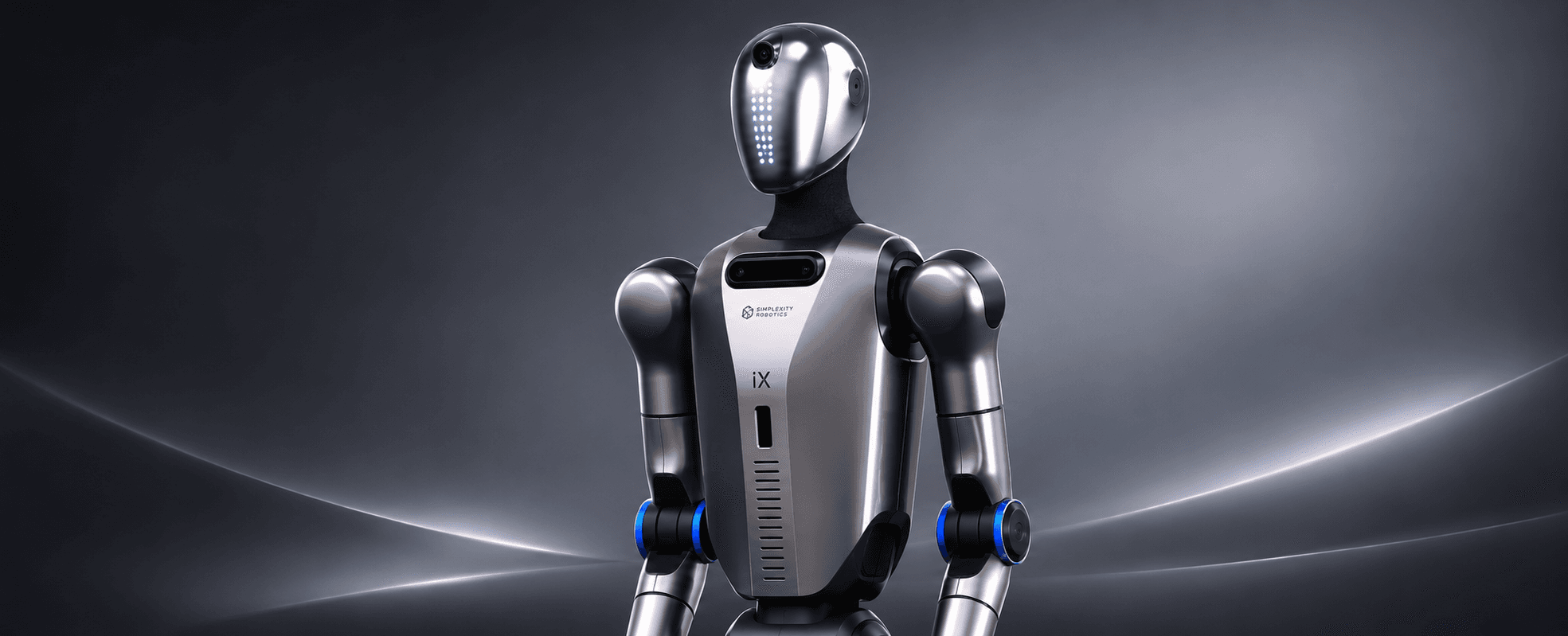
Humanoid robots attract significant attention, but they represent only one part of the physical AI opportunity.
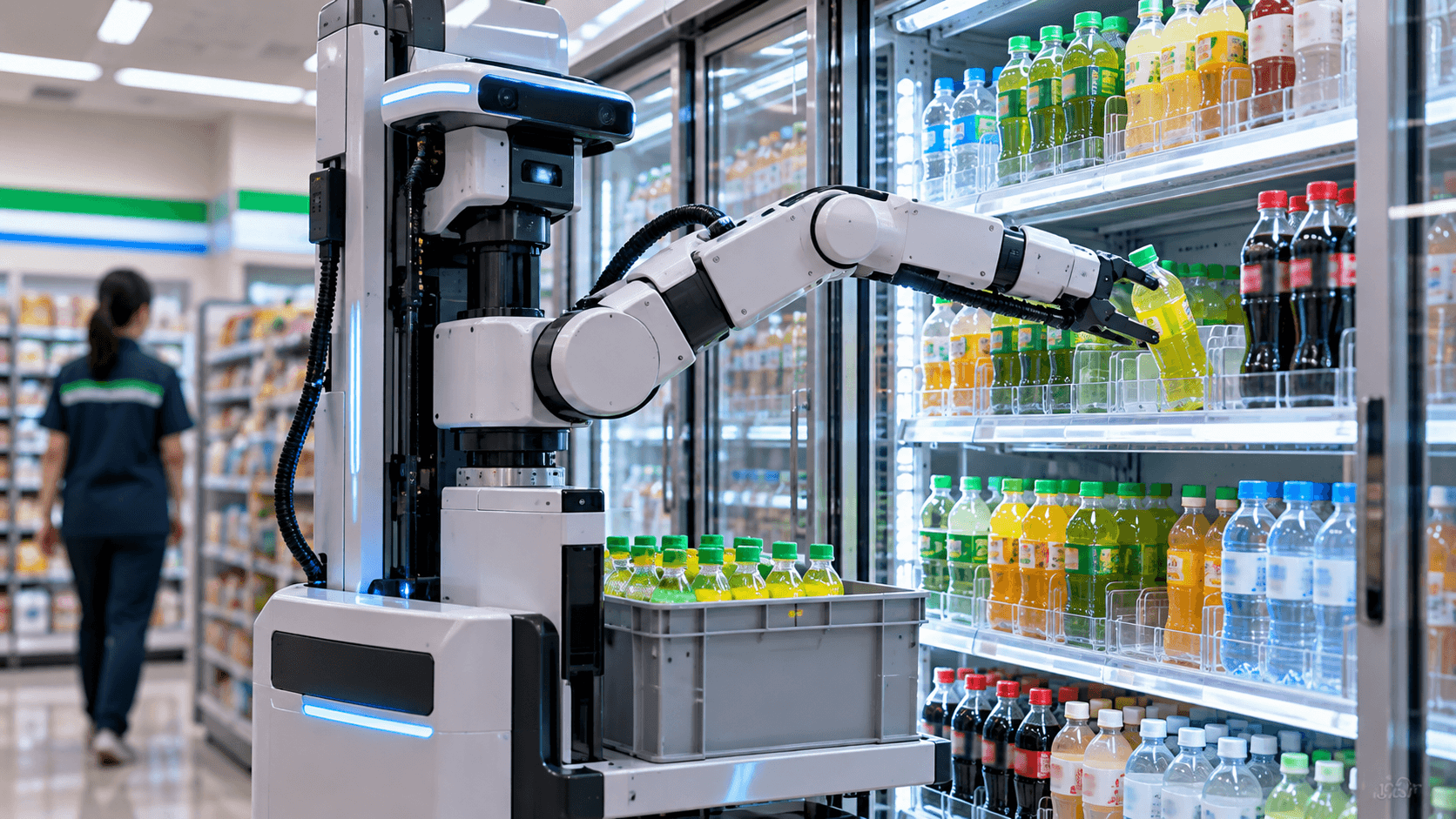
Autonomous forklifts, warehouse sorting systems, mobile manipulators, agricultural machines, and intelligent factory equipment are also benefiting from advances in AI.
McKinsey’s November 20, 2026 analysis highlights how physical AI is expanding into less visible applications, including autonomous industrial operations, intelligent buildings, and specialized equipment.
The investment opportunity is therefore much broader than humanoid manufacturing.
Businesses may find greater immediate value in machines designed for specific environments where the tasks, operating conditions, and expected returns are easier to measure.
The Market Is Shifting Toward Complete Solutions
One of the most important changes in robotics commercialization is the transition from individual demonstrations to complete operational workflows.
A robot that successfully picks up an object during a demonstration is not necessarily ready to work an entire warehouse shift.
Commercial deployment requires consistent performance, exception handling, safety systems, integration with existing equipment, and predictable maintenance costs.
IDC’s analysis of the 2026 World Robot Conference emphasizes this transition from technical demonstrations toward stable industrial delivery.
This suggests that robotics companies will increasingly compete on their ability to deliver complete solutions rather than impressive standalone machines.
The winners may be those capable of connecting hardware, AI models, data, software, and customer operations into one reliable system.
Investment Is Following the Physical AI Opportunity
Capital is increasingly flowing into the infrastructure required to make intelligent machines commercially useful.
McKinsey reported that general-purpose robotics attracted approximately $21 billion in investment during the first eight months of 2026 alone.
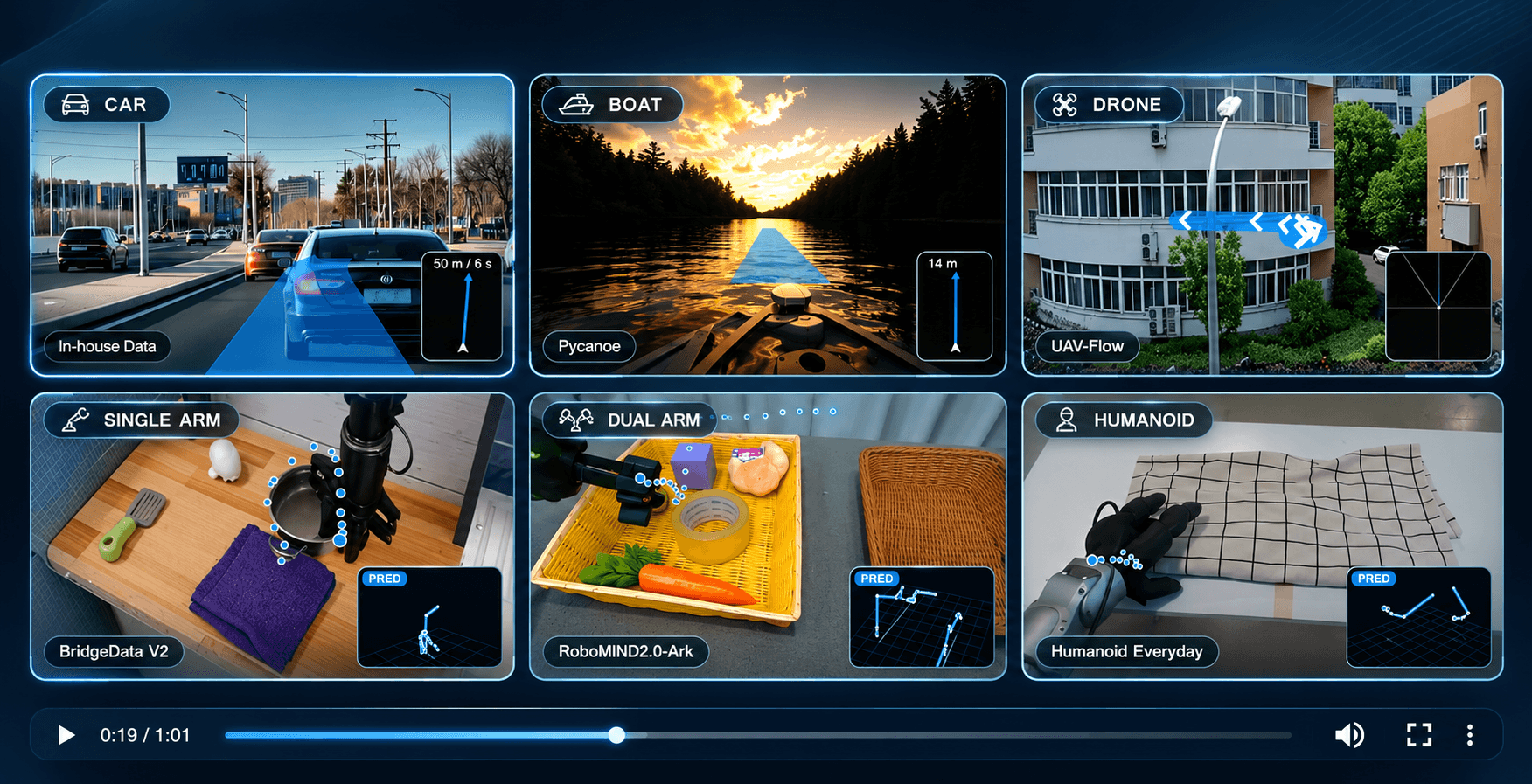
Its analysis also highlights the growing importance of physical AI foundation models, integrated actuators, training data, dexterous hands, and force-sensing technologies.
This creates opportunities across several layers of the robotics ecosystem.
Hardware manufacturers build the machines. AI developers provide intelligence. Infrastructure companies support training and deployment. Systems integrators connect robotics to real business operations.
The commercial opportunity is becoming an ecosystem rather than a competition between individual robot manufacturers.
The Biggest Challenge Is Still Reliability
Despite significant progress, physical AI has substantial obstacles to overcome.
Robots must operate safely around people, handle unexpected situations, recover from errors, and perform consistently across different environments.
A system that works in a controlled demonstration may struggle when confronted with unfamiliar objects, changing lighting, crowded workspaces, or unexpected human activity.
These limitations matter because businesses do not purchase intelligence for its own sake. They purchase productivity, reliability, and measurable returns.
The industry must demonstrate that intelligent robots can deliver those outcomes repeatedly, not just occasionally.
Market Perspective: Autonomous Workforces Will Develop Gradually
The transition toward autonomous workforces is unlikely to happen overnight.
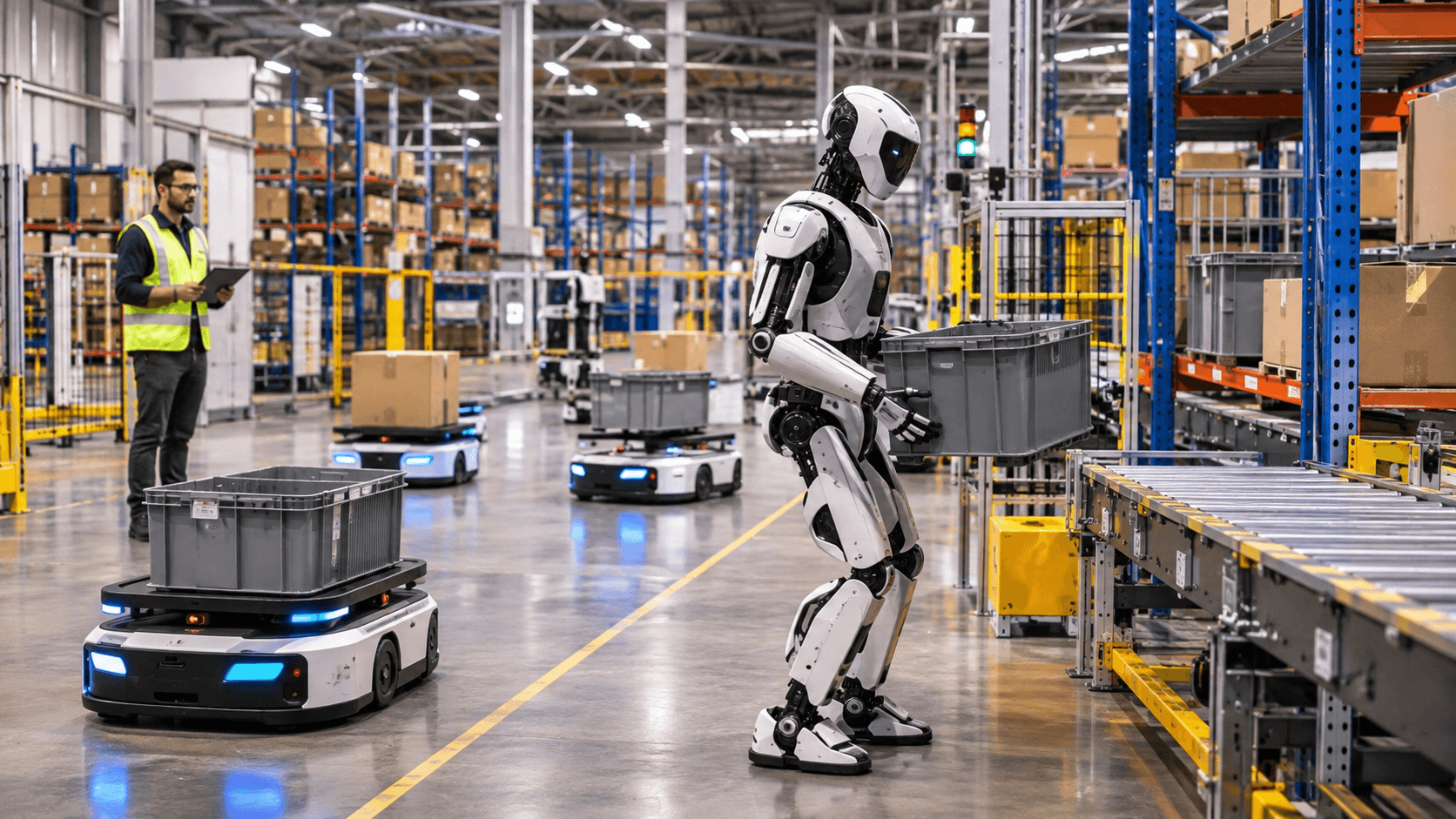
Early adoption will probably concentrate in structured environments such as warehouses, logistics facilities, and manufacturing operations.
Over time, improvements in perception, manipulation, planning, and safety could expand the range of tasks machines can perform.
This gradual progression may prove more commercially sustainable than expecting humanoid robots to immediately replace entire human workforces.
Businesses will likely combine specialized automation, autonomous mobile robots, robotic arms, and eventually more general-purpose machines depending on their operational requirements.
Final Perspective: The Future Belongs to Systems That Can Get Work Done
The robotics industry is moving beyond the question of which company can build the most impressive machine.
The more important question is which company can create a system that consistently delivers useful work in the real world.
Physical AI could become a major technological platform, but its long-term value will depend on practical deployment, operational reliability, and commercial adoption.
The next robotics revolution will not simply be about building smarter robots. It will be about building autonomous systems that businesses can depend on.