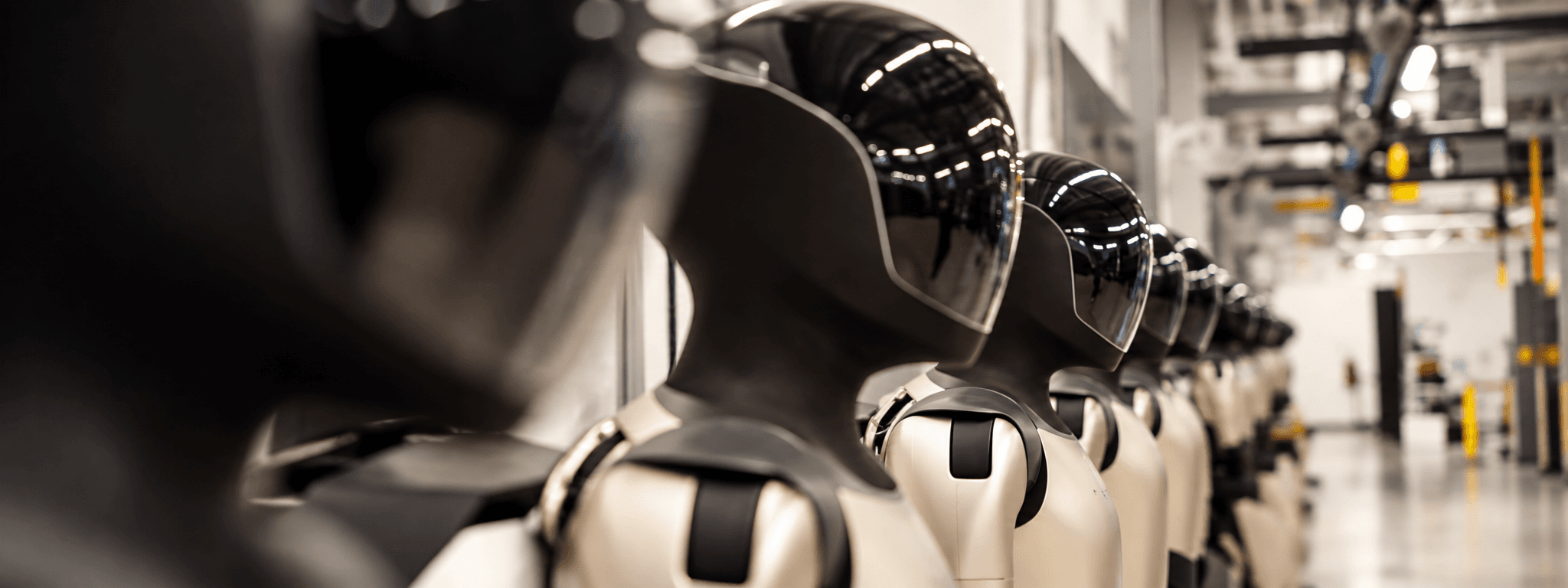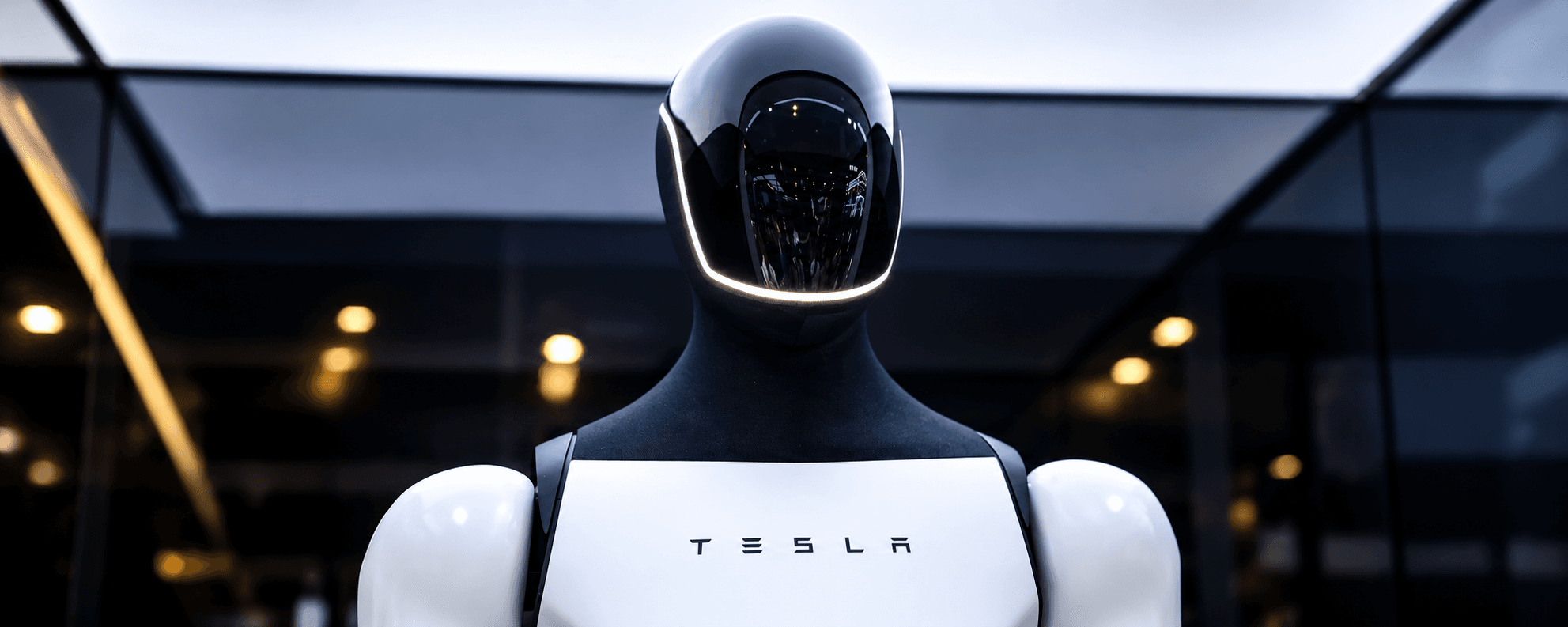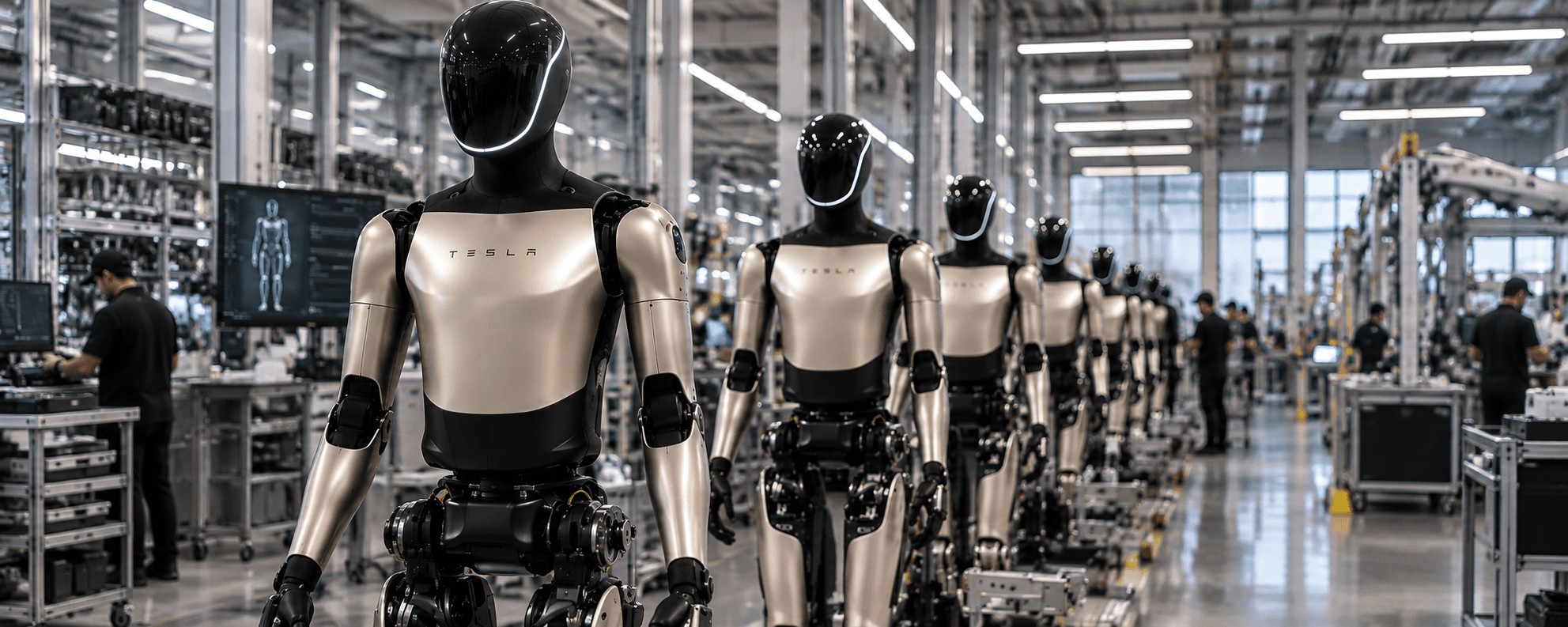

The reported increase comes as Tesla begins scaling its new Optimus production line at its Fremont factory in California. The company stopped producing the Model S and Model X there in May and reassigned manufacturing space, workers and engineers to the humanoid program. The production figures have not been publicly confirmed by Tesla.
Tesla managers are reportedly targeting a continuous automated line capable of producing more than 1,000 robots per week by the end of 2026. Tesla’s own filings say the Fremont Optimus line is being built toward an eventual planned capacity of one million robots annually, but that figure represents planned capacity rather than current output.
Manufacturing remains partly manual. The hands and forearms on the V3 robots reportedly contain more than 100 screws and other small components that workers currently assemble by hand. Production equipment has also encountered problems consistently aligning smaller, higher-precision components, while some suppliers have struggled to maintain component quality as volumes increase.
The software is also still being developed for broader use. People familiar with the program told The Information that Optimus can perform trained tasks but does not yet reliably generalize across unfamiliar situations. Tesla has accumulated more than 500,000 hours of training data and reportedly aims to double that by the end of the year.
Most of the robots currently being produced are being used internally for testing, training and data collection, according to the reporting. Robots performing work inside Tesla factories remain limited to specific tasks and controlled environments.