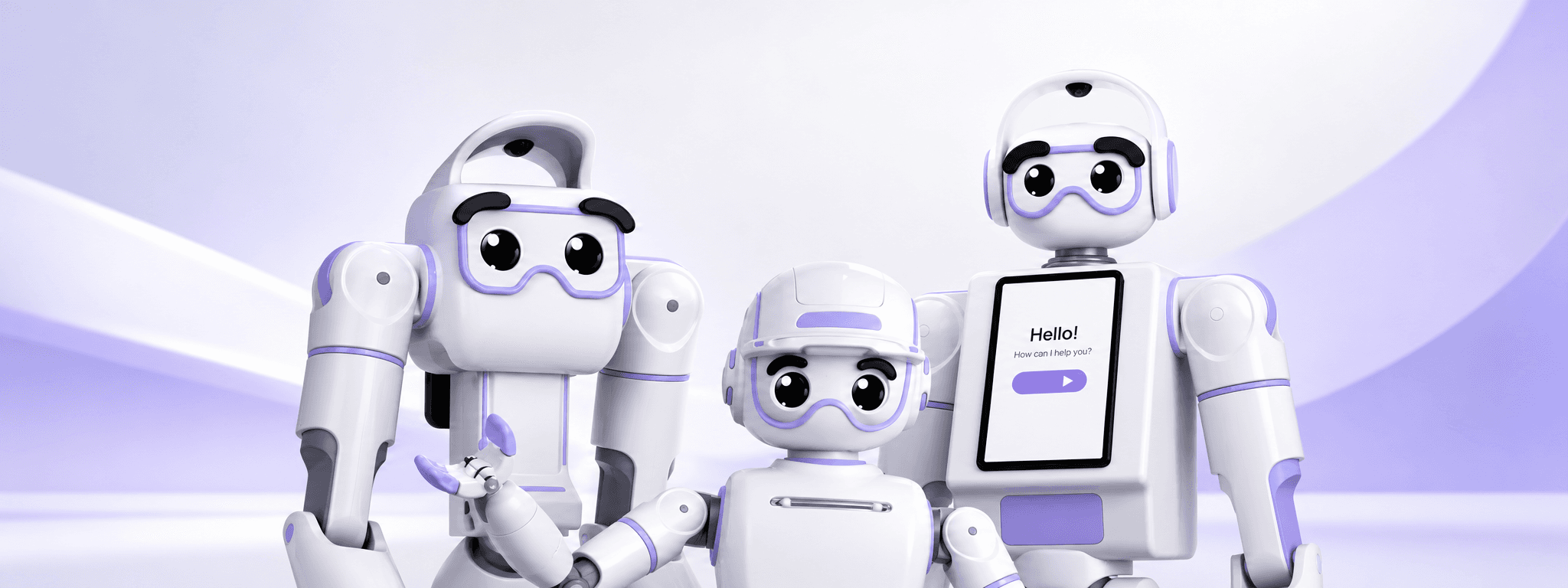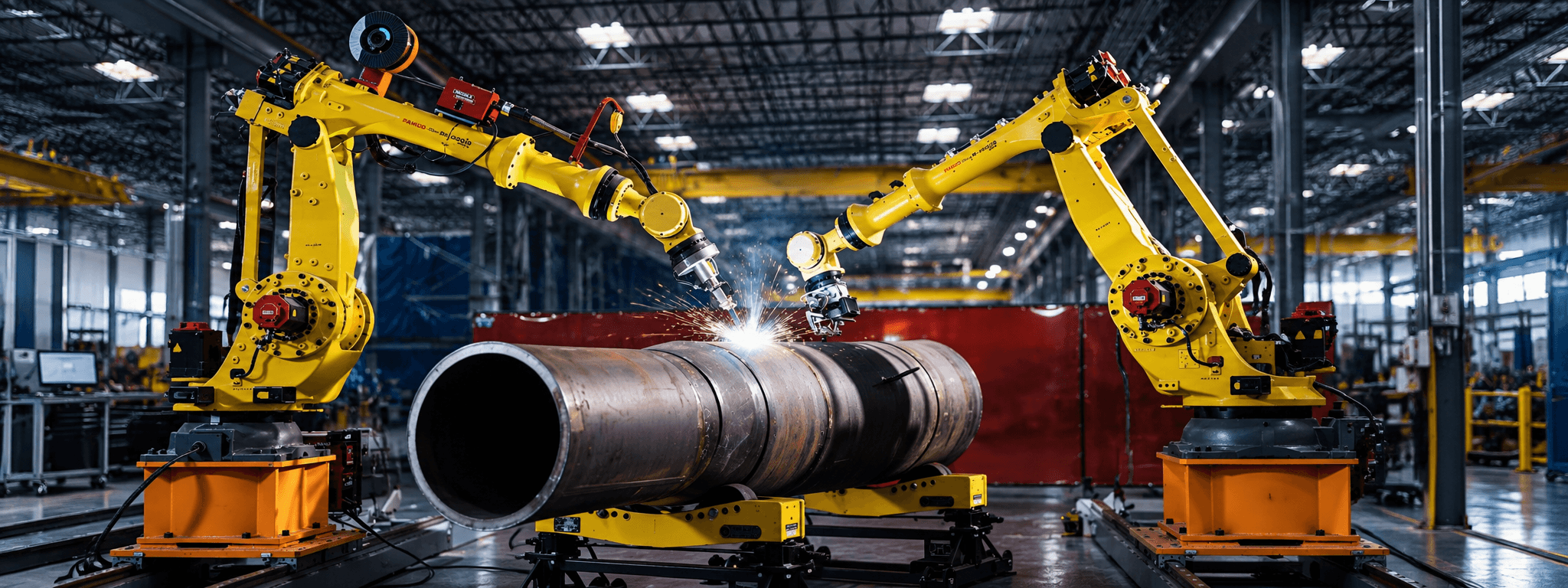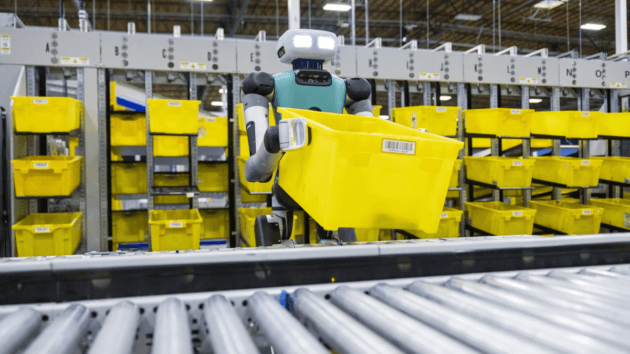

This week gave humanoid robotics two very different kinds of headlines on the same continent. In Beijing, the second World Humanoid Robot Games wrapped today after five days of football, table tennis, martial arts, and a 100-meter sprint where a Tiangong Ultra unit reportedly clocked 9.39 seconds — within shouting distance of Usain Bolt’s world record. Meanwhile, a quieter story was unfolding at ground level: Amazon began testing Agility Robotics’ Digit at a Seattle-area fulfillment center, moving empty totes alongside human employees as part of a fleet that already includes more than 750,000 mobile robots.
One of these stories is built for highlight reels. The other is built for a shift report. Both are real, and the gap between them is arguably the most useful lens for understanding where the sector actually stands.
The numbers behind the spectacle
The Games themselves were genuinely large — 666 teams, over 2,000 robots, 16 countries, roughly four times the scale of last year’s inaugural event. Alongside it, the 2026 World Robot Conference drew 300+ exhibitors and 3,000+ products, and unveiled the Panshi Embodied Lab, a new public testing and evaluation platform explicitly aimed at addressing what organizers called weak core technology and insufficient high-value applications in Chinese humanoids.
That detail is worth sitting with. A national platform built specifically to shore up dexterity and core-tech gaps isn’t the kind of thing you launch if the underlying technology has already caught up to the production numbers. It’s a tell that even inside the ecosystem producing the bulk of global humanoid shipments, there’s an acknowledged distance between “we can build a lot of these” and “these are actually good.”
What the data says about that gap
A few figures worth holding alongside the athletic headlines:
- Chinese manufacturers accounted for roughly 97% of global humanoid shipments in the first half of 2026 — somewhere between 19,000 and 22,000 units.
- UBTech, one of China’s own leading manufacturers, has publicly described its Walker S2 as no more than half as efficient as a human worker.
- The International Federation of Robotics has said industrial adoption will ultimately hinge on cycle times, energy consumption, maintenance costs, safety, and dexterity — categories where prototypes are still being tested, not solved.
- Humanoid robotics venture funding hit $8.7 billion through July 2026 alone, according to Dealroom — capital moving well ahead of proven commercial deployment.
Put together, this paints a sector where investment and unit volume have both scaled dramatically faster than the underlying reliability of the machines themselves. That’s not a criticism of any single company — it’s just where an emerging category tends to sit before it matures.
Why the Amazon story matters more than it looks like it should
Compare that to what happened in Seattle. No stadium, no crowd, no world record. Just a single Digit unit moving empty totes in a live fulfillment center, one small piece of a much larger automated logistics operation. It’s unglamorous by design — and that’s exactly what makes it meaningful. A robot doing a boring, repetitive task correctly, day after day, in a facility that can’t afford downtime, is a harder bar to clear than a scripted sprint or a choreographed football match. Amazon doesn’t need Digit to be exciting. It needs it to not get in the way.
This is the same distinction we’ve written about before: a demo answers “can it do this once, under good conditions.” A live deployment inside someone else’s operational business answers “does it hold up when nobody’s watching and failure has a cost.” The Games are the former, at massive scale. Amazon’s fulfillment center pilot is the latter, at a much smaller one — and arguably tells you more about where the industry actually is.
The takeaway
None of this means the Robot Games were empty spectacle — genuine engineering problems (bipedal locomotion, real-time coordination, autonomous decision-making under competitive pressure) get stress-tested in ways a lab never replicates. But spectacle and deployment readiness are different axes, and this week made the distance between them unusually visible: a record-breaking sprint and an explicit admission of a dexterity gap, a $66 billion IPO valuation and a competitor calling its own robot half as efficient as a human, all inside the same seven-day window.
For anyone trying to figure out which companies and platforms are actually ahead, the more useful question this week isn’t “who put on the better show.” It’s “who’s quietly doing the boring task correctly, in someone else’s warehouse, without anyone filming it.”