
South Korean physical AI startup RLWRLD has confirmed plans to receive investment from NVIDIA, adding a new financial dimension to a partnership focused on teaching robots to perform precise manipulation tasks.
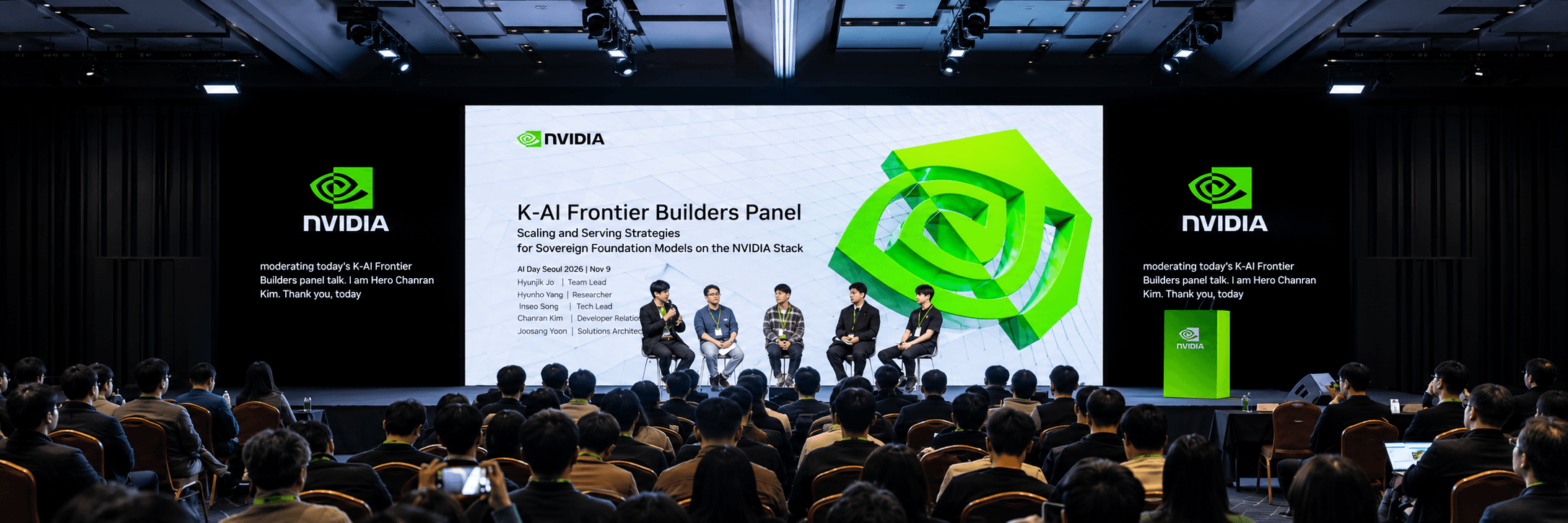
The company announced the investment plan at NVIDIA AI Day Seoul 2026 on November 9, according to South Korean technology publication Digital Today. The size of the investment was not disclosed, and the announcement did not specify a closing date. RLWRLD said it intends to use the funding to advance its robotics foundation model and expand applications in industrial environments.
RLWRLD is developing general-purpose AI software for robotic manipulation. Its RLDX-1 foundation model is intended to help robots perform tasks involving objects and physical contact, an area where reliability and adaptability remain difficult to achieve outside controlled demonstrations.
The company also presented DexBench at the Seoul event, a benchmark for measuring how well humanoid robots handle objects using their hands. The benchmark covers 15 tasks, including placing products, unloading items, inserting connectors and fastening screws, across four industrial environments. It is designed to measure not only whether a robot completes a task, but also how well its abilities transfer to unfamiliar objects and settings.
DexBench itself is not a newly announced partnership. RLWRLD and NVIDIA first disclosed their collaboration on the benchmark and dexterous-manipulation data standards in June 2026. The project uses NVIDIA’s Isaac Lab-Arena simulation framework and the Newton physics engine, with additional Korean robotics and simulation partners joining later in the year.
RLWRLD says it plans to make the benchmark’s code, evaluation environments, training data and comparative leaderboard available. A release date has not been specified in the latest announcement.
The November 9 development is NVIDIA’s planned investment in RLWRLD, rather than the initial creation of DexBench. The companies have not disclosed the investment’s financial terms, and no new commercial robot deployment figures were provided.
The investment is intended to support further model development and broader industrial testing, while DexBench provides a common set of tasks for comparing dexterous robotic performance.