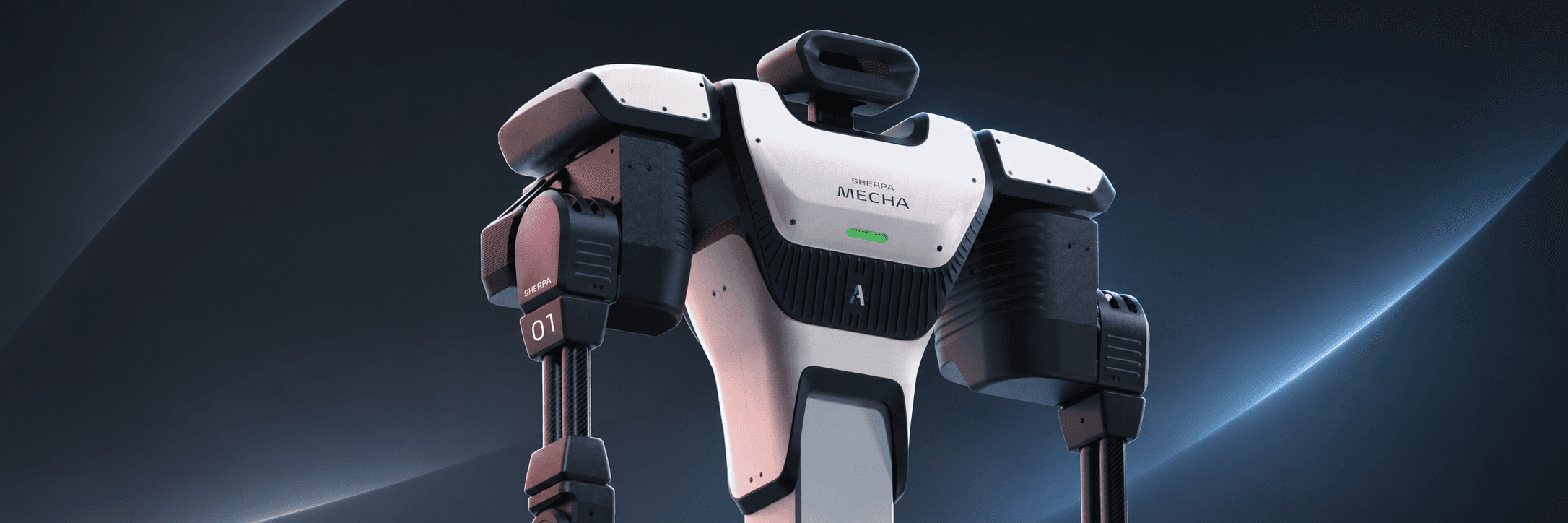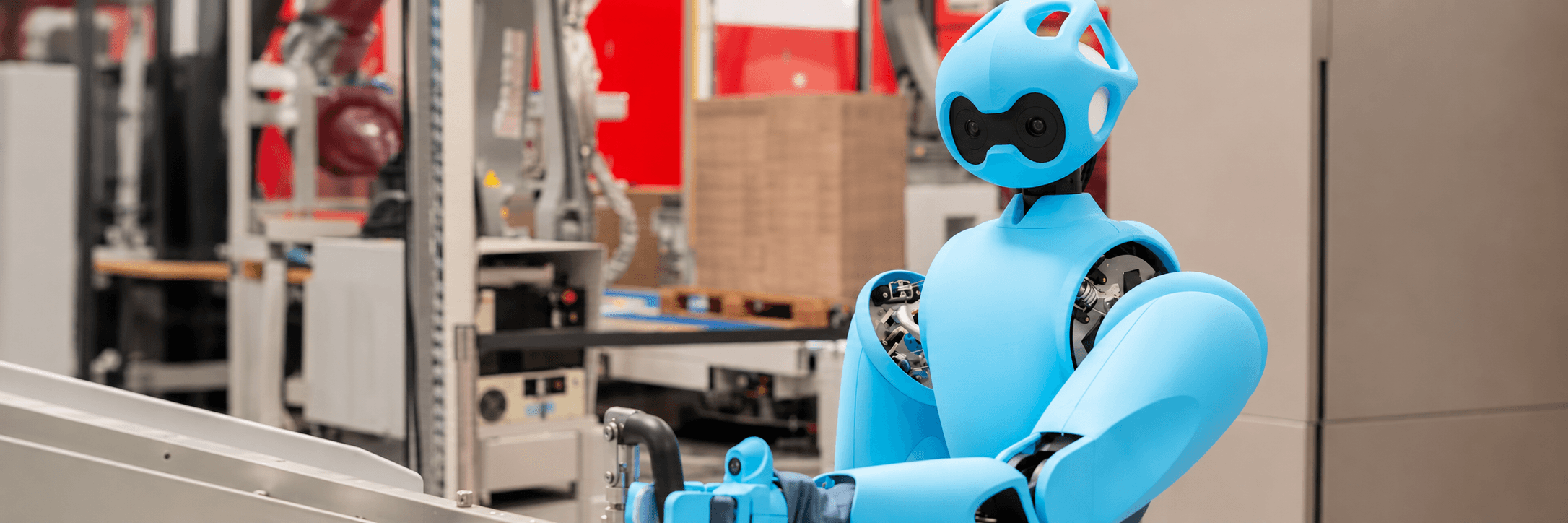

NEURA Robotics has announced a partnership with energy group E.ON and regional utility enviaM to develop Physical AI applications for electricity infrastructure, with initial practical trials expected in 2027.
The agreement, announced on November 5, focuses on robotic inspection, equipment monitoring and tasks that can be physically demanding or hazardous for utility workers. MITNETZ STROM, a distribution-grid operator within the enviaM group, will serve as the pilot partner for testing the technology in real network operations.
The project will begin with training and development rather than immediate field deployment. E.ON and enviaM are joining the TUM RoboGym powered by NEURA, a robotics training facility established with the Technical University of Munich. The centre opened in October 2026 at Munich Airport’s LabCampus and covers more than 2,300 square metres.
At the facility, engineers and utility specialists will identify tasks suitable for automation and develop robotic skills using human demonstrations, real robot data and simulation. NEURA plans to make those skills available through its Neuraverse software environment before testing them with MITNETZ STROM in operational settings.
The initial areas under consideration include inspections, monitoring of critical installations such as substations, and support for site security. The partners also plan to examine work in potentially dangerous environments, where robotic assistance could reduce the need for personnel to enter exposed areas.
The announcement does not specify which NEURA robot models will be used in the trials, how many machines will be involved or whether the first field systems will be humanoids. It also does not disclose a contract value or procurement commitment. Those details remain open as the partners move from identifying applications to building and evaluating robotic capabilities.
NEURA develops cognitive robotics systems and humanoid platforms, while E.ON and enviaM bring experience operating energy networks. Their stated objective is to develop repeatable robotic workflows for utility infrastructure, beginning with controlled testing and moving toward field evaluation during 2027.