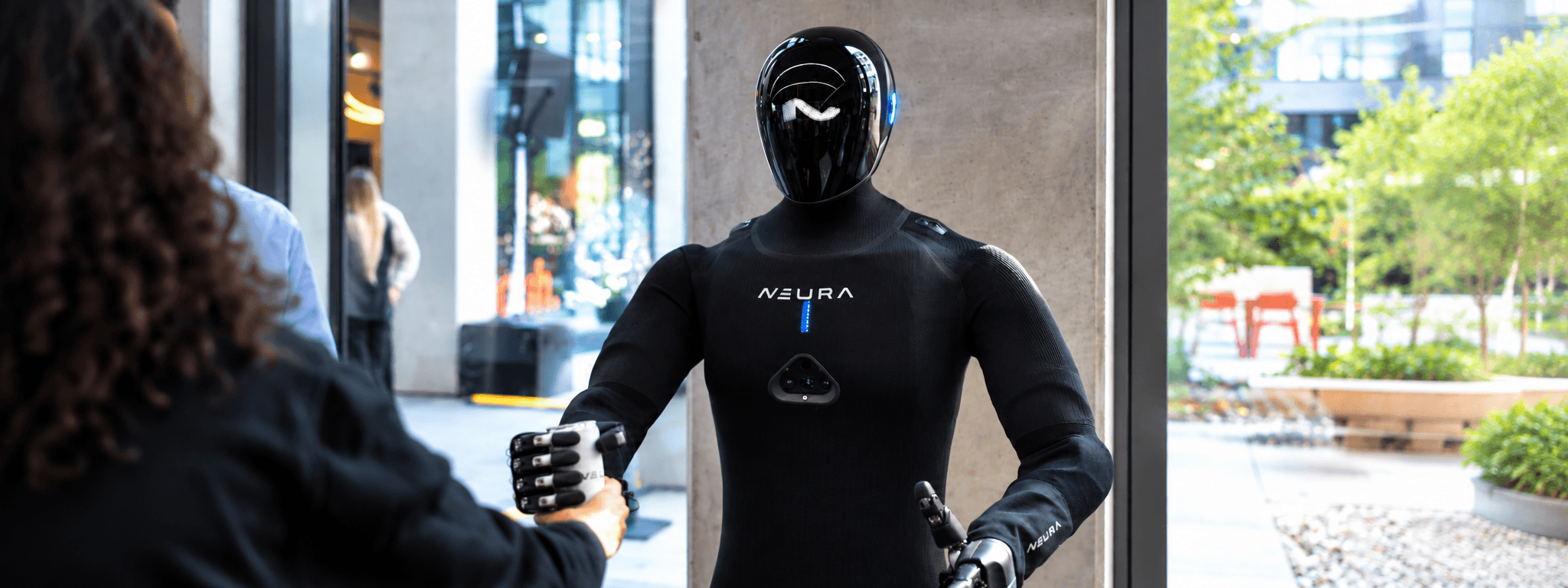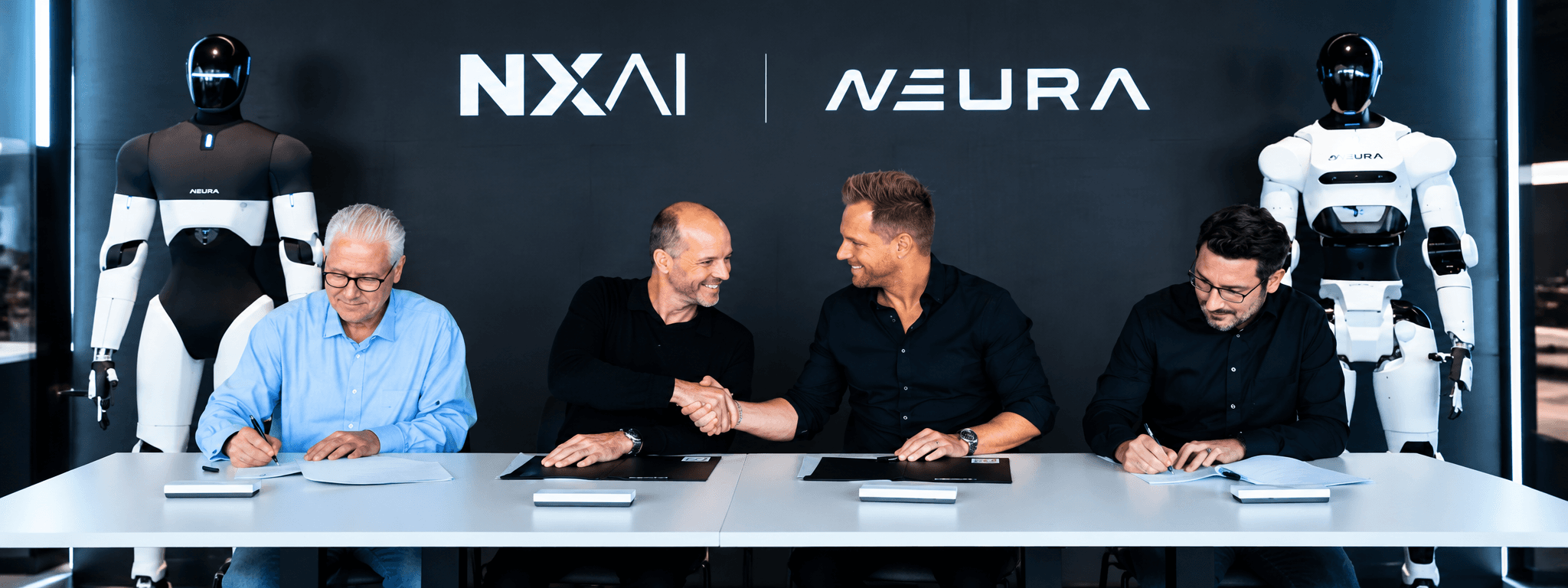

German robotics company NEURA Robotics is joining forces with Austrian AI developer NXAI to give cognitive robots a stronger ability to remember previous actions and use that information while completing complex tasks. Announced on October 20, the partnership will combine NEURA’s Physical AI technology with NXAI’s xLSTM architecture, which is designed to maintain and update information efficiently across long sequences.
The companies plan to jointly develop a memory component for NEURA’s robots and introduce an NXAI model to Neuraverse, the platform through which customers train, adapt and deploy robot skills. The proposed model would sit alongside Neuron AI, NEURA’s own foundation model, rather than replacing it. Customers are expected to be able to fine-tune the NXAI system for specific applications, evaluate it through NEURA’s training facilities and deploy it on compatible robotic hardware. Neither company has announced a release date or performance benchmarks for the integration.
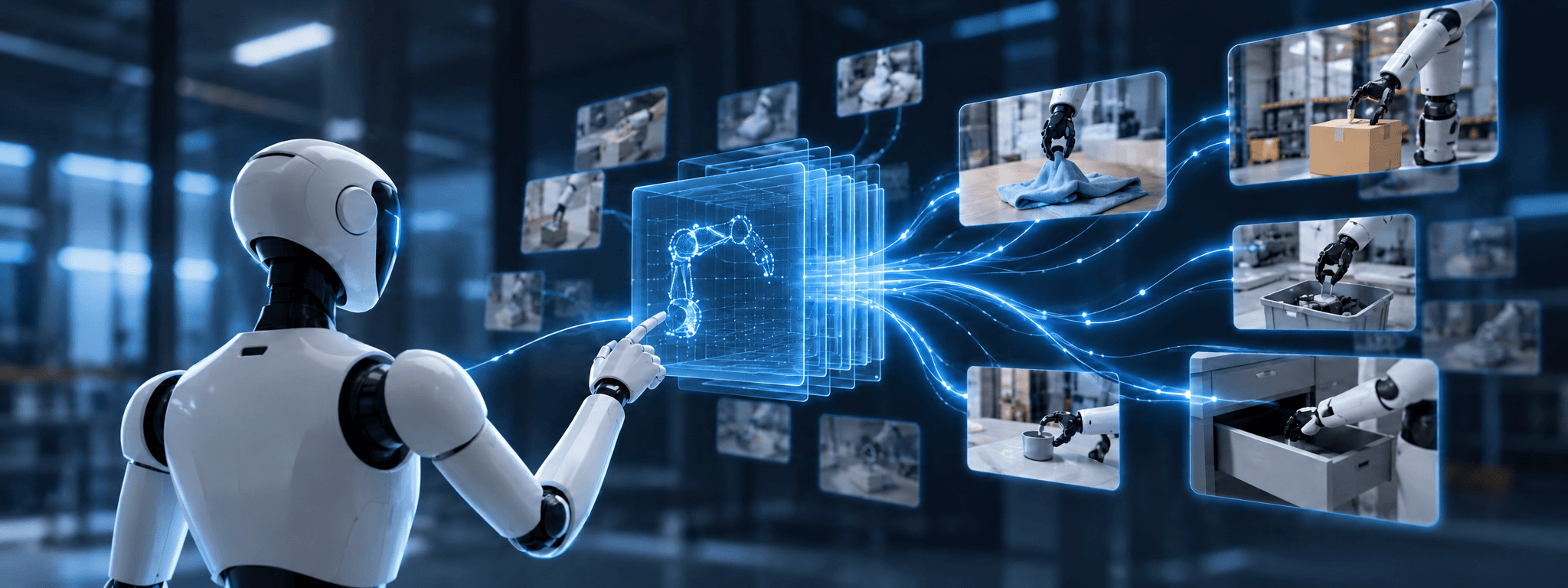
The collaboration follows NEURA’s October 14 introduction of Neuron AI, a multimodal Perception-Language-Action model that processes visual information, touch, audio, language and robot-state data. NEURA says the model is designed to work across five of its robotic embodiments, with training drawn from real robot operations, simulations and human demonstrations.
NXAI brings a different approach to handling information over time. Based in Linz and founded by AI researcher Sepp Hochreiter, the company develops recurrent neural-network architectures intended to retain relevant context without repeatedly processing an entire sequence of earlier observations. In a factory, that could eventually help a robot keep track of which steps it has completed or draw on experience from previous attempts at the same operation.
The agreement also gives NEURA a second AI architecture to offer through Neuraverse while continuing to develop Neuron AI independently. Participating companies would retain control over their process data and decide whether to share learned skills with the wider platform.
For now, the announcement concerns a research and integration partnership, not a finished robot-memory product. The companies have not disclosed financial terms, deployment customers or a timetable for making the NXAI model available.