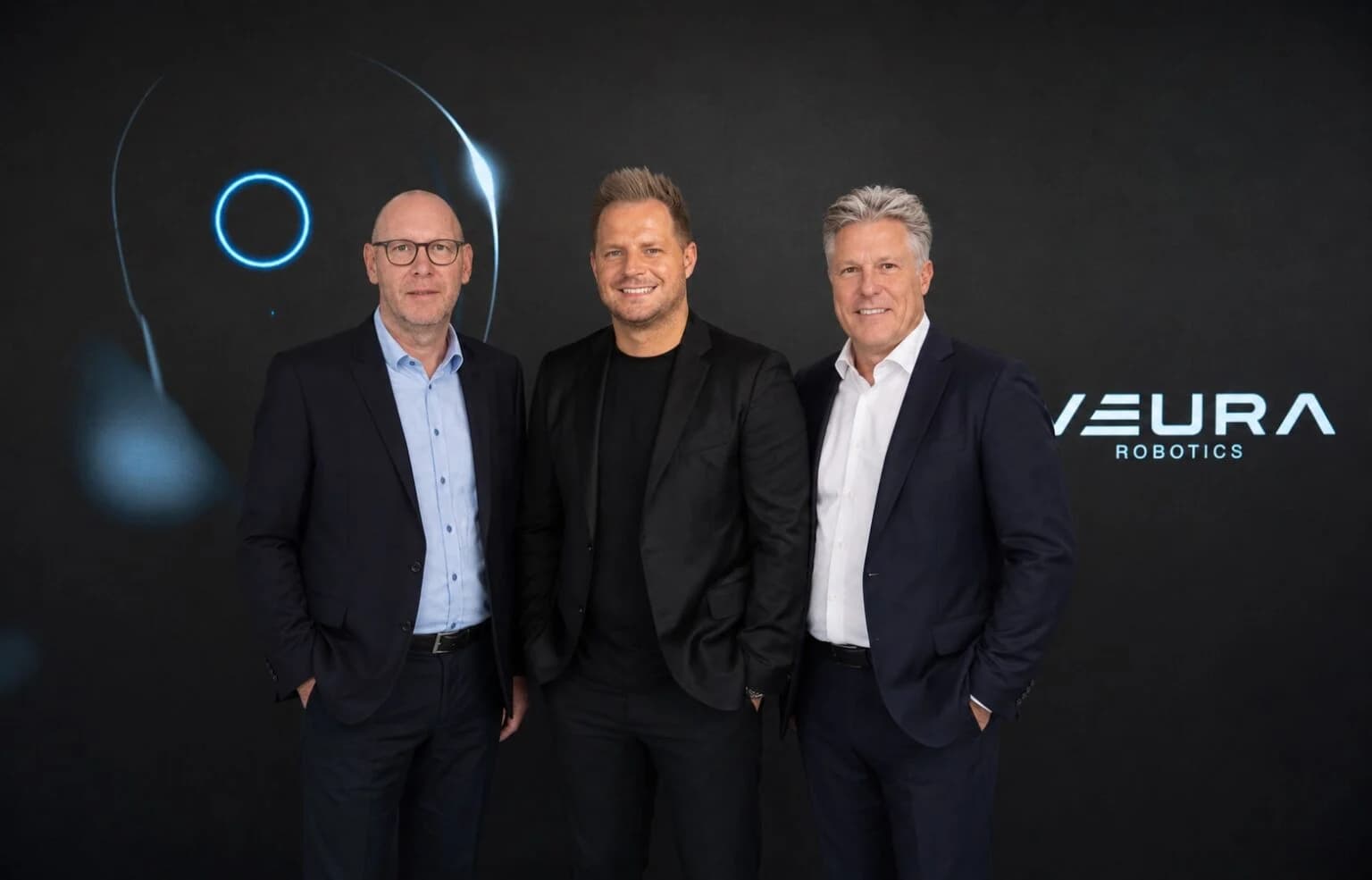

NEURA Robotics is expanding its Physical AI ecosystem into professional cleaning with the acquisition of 100% of ADLATUS Robotics, a German company specializing in autonomous cleaning and sweeping robots.
The deal gives NEURA access to hundreds of robots already deployed across industrial, healthcare, logistics, commercial, and public environments, along with ADLATUS’ proprietary navigation software and years of real-world cleaning expertise.
The bigger goal goes beyond adding another robot to NEURA’s portfolio. The company plans to enhance ADLATUS systems with additional sensors and AI capabilities, gradually connecting them to the Neuraverse. Instead of simply following pre-programmed routes, future cleaning robots could understand different surfaces, recognize dirt and obstacles, choose appropriate cleaning strategies, and learn from real-world deployments.
This is where Physical AI becomes particularly valuable. Unlike software-only AI, robots need experience from the physical world to improve. ADLATUS’ existing fleet provides NEURA with a real-world platform for testing and scaling these capabilities.
The acquisition also fits NEURA’s broader strategy of building an open Physical AI ecosystem rather than a closed robot platform. The company wants the Neuraverse to eventually support robots from different manufacturers and across different applications.
For Europe, the move highlights another opportunity: combining its long-standing strengths in engineering, automation, and robotics with modern AI. Rather than rebuilding everything from scratch, NEURA is connecting established European robotics technology with a new generation of intelligent systems.
With ADLATUS, professional cleaning becomes another proving ground for the idea that the next generation of robots won’t just move through the physical world — they’ll understand it.