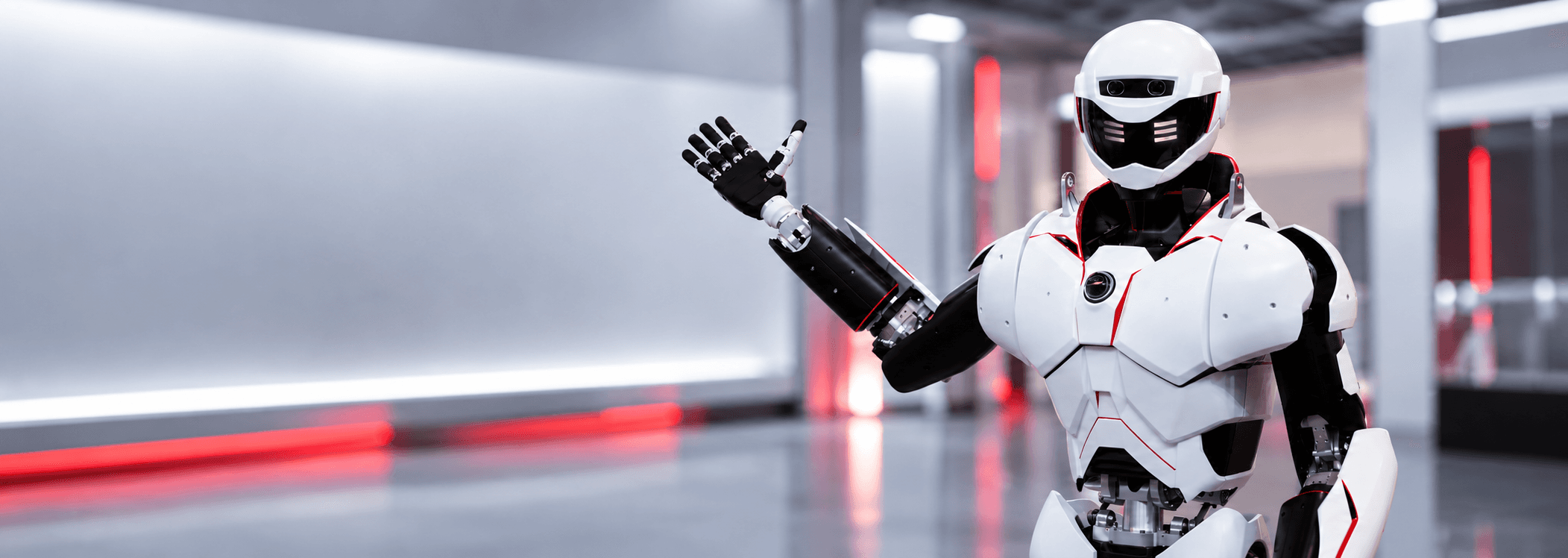

Kaleido is expected to be the first robot platform to adopt Noetra’s technology. Kawasaki will initially combine AI control with human remote operation, targeting relatively simple factory and warehouse tasks including facility patrols and component transport. Product assembly and other complex work would be introduced through later upgrades.
Kawasaki has reportedly begun presenting Kaleido to automotive and semiconductor customers, although no customer commitments, order values or production volumes were disclosed. The company ultimately wants tens of thousands of robots operating by 2040, but that target covers its broader portfolio of humanoids, quadrupeds, wheeled robots and hospital transport systems.
The 2030 autonomy target requires careful qualification. Kawasaki’s existing public roadmap places remotely assisted work in controlled environments around 2030 and autonomous operation in unstructured environments closer to 2040. Its Kaleido 9 platform currently supports LiDAR-based autonomous navigation and obstacle avoidance, alongside remote-controlled operation for more complex tasks.
Noetra plans to release its foundation models in stages. Its roadmap calls for an omnimodal model by fiscal 2028 and “real-world native AI” capable of spatial and physical understanding by fiscal 2030. The company is also preparing infrastructure containing approximately 27,500 NVIDIA Rubin GPUs, with construction scheduled for April 2027 and operation expected in June 2028. Kawasaki is one of 44 organizations participating in or investing in the initiative.