
Zurich-based Enact Intelligence has emerged from stealth with $30 million in pre-seed financing to develop robots that can use force and touch to handle precise industrial tasks. The round includes redalpine, Notion Capital and firstminute capital, alongside angel investors Yann LeCun, Mistral co-founder Arthur Mensch and Path Robotics founder Andrew Lonsberry.
Founded in March 2026 by Manuel Yves Galliker, Enact is concentrating on the difficult final stages of assembly, where a machine must feel whether a connector is seated correctly, a clip has snapped into place or a screw has caught its thread. These jobs demand more than visual recognition. Small differences in contact and resistance can determine whether a task succeeds, particularly when products change frequently and conventional automation becomes expensive to reprogram.
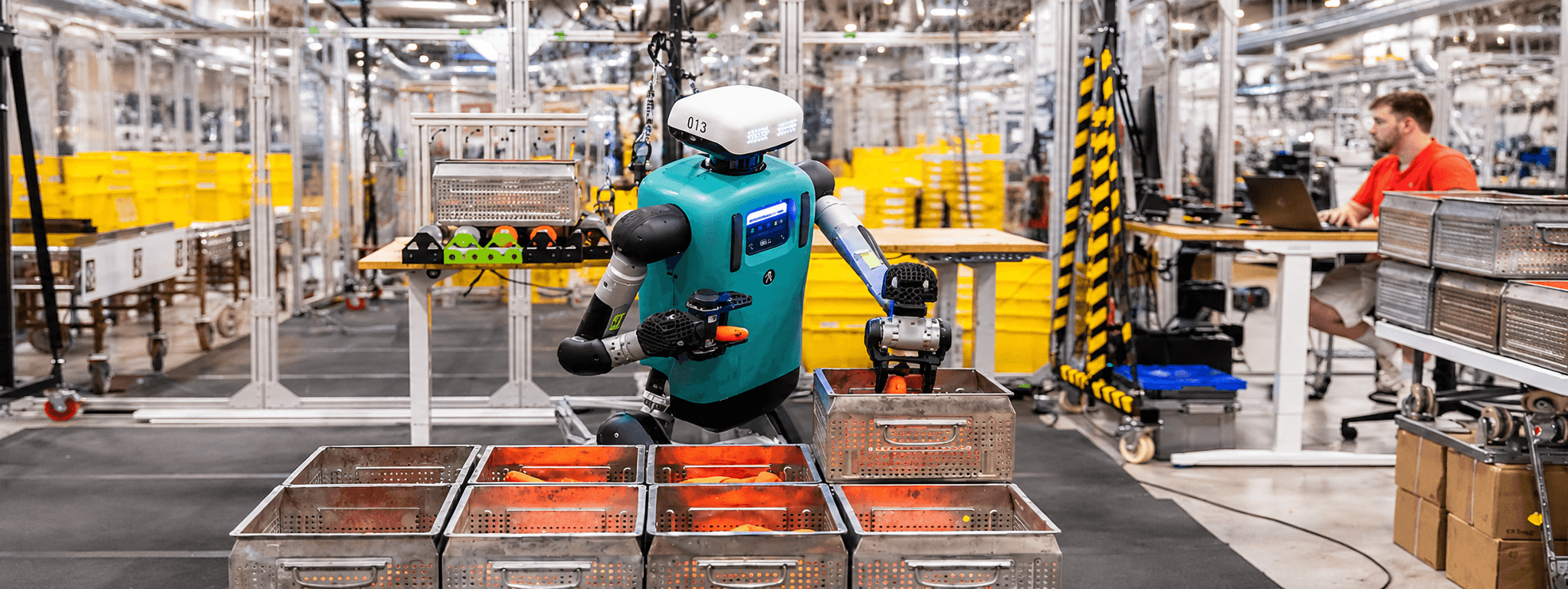
Enact is developing its sensing hardware and AI models together. Rather than relying exclusively on cameras or isolated force sensors, the company aims to capture force information through custom actuators and use it to inform robot movement. Its approach is designed to work across different robotic bodies, including arms and potentially humanoids. The company says demonstrations of a task could eventually replace some of the painstaking programming required in conventional industrial automation.
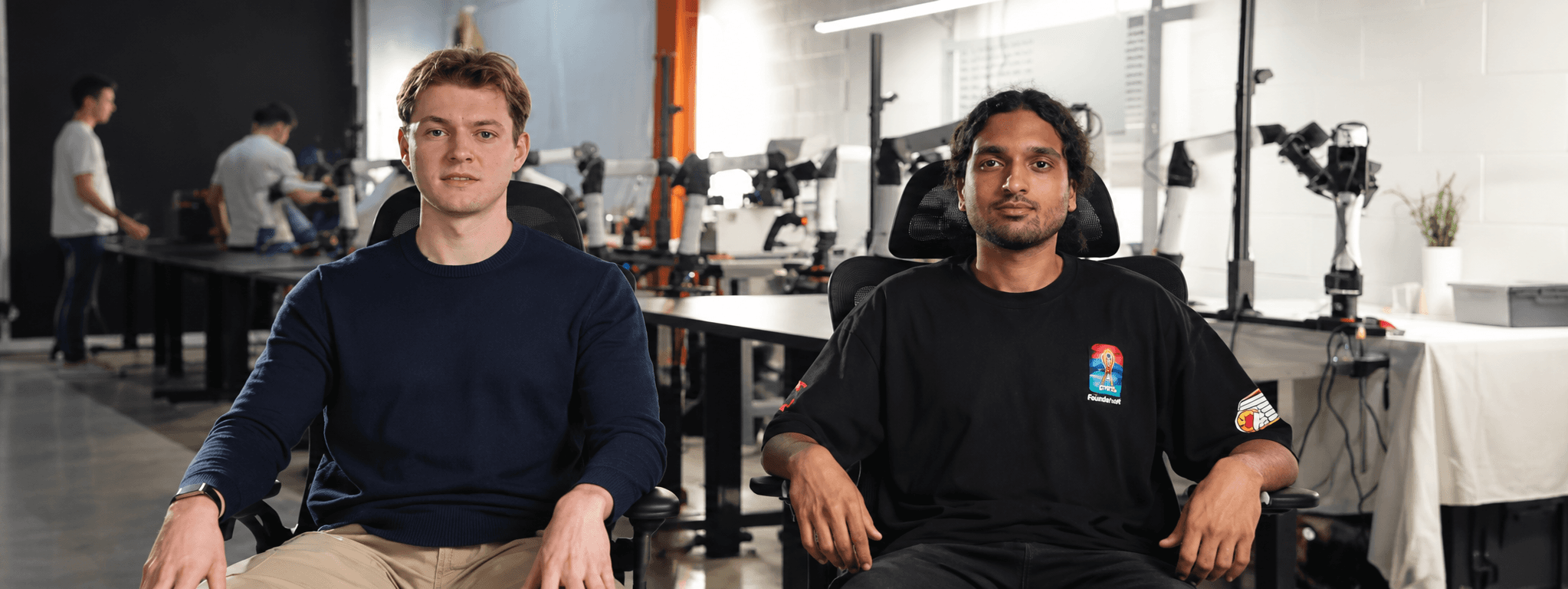
Galliker previously led software work on 1X’s NEO humanoid and worked at Physical Intelligence. Enact’s 12-person team includes engineers with experience at Google DeepMind, Amazon Robotics, Helsing and ETH Zurich. The new financing will fund further hardware and model development, expansion of the team and initial industrial deployments. Enact plans to increase headcount fivefold by the end of 2027 and is in discussions with potential partners in manufacturing and other sectors.
For now, the company has not disclosed independently measured manipulation performance, signed commercial customers or a valuation for the financing. Its technology remains at an early stage, and the first industrial deployments are planned rather than completed. The investment nevertheless gives Enact substantial resources to test whether force-aware robot learning can make variable, dexterous assembly work commercially practical.