
Chinese humanoid robotics developer CASBOT has completed an A++ financing round worth several hundred million yuan, adding capital as it prepares to deliver robots for industrial customers. The Beijing-based company disclosed the funding on October 26, with backing from Zhilai Investment, Yonghua Investment, Maotian Investment, Yuanhe Chenkun, Guoke Kezhi and Luning Investment. It did not disclose an exact amount or valuation.
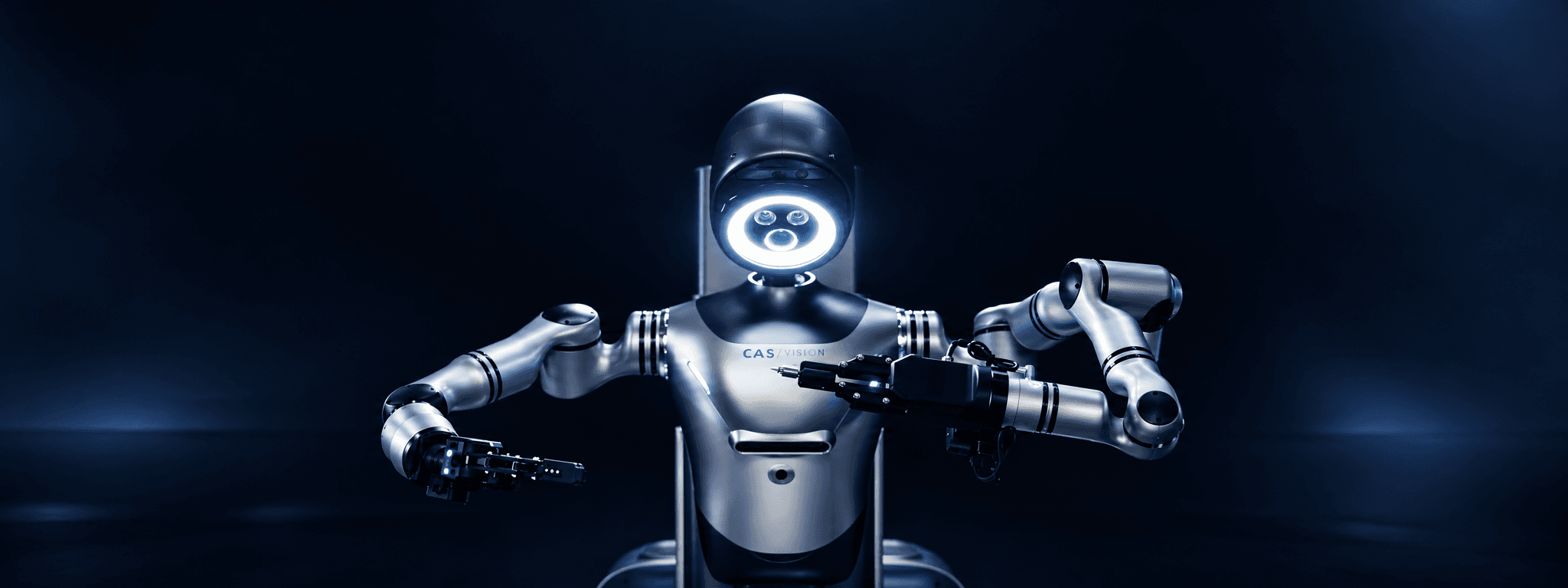
CASBOT, formally Beijing Zhongke Huiling Robotics Technology, was founded in 2023 with roots in the Chinese Academy of Sciences’ Institute of Automation. Its hardware portfolio includes the full-size CASBOT 02 humanoid, the smaller CASBOT Mini and the wheeled, dual-arm CASBOT W2. The company also develops its own manipulation software and a broader embodied AI system known as CAS-brain.
The more immediate commercial story is happening on footwear production lines. CASBOT says its outstanding orders for embodied robotics systems used in shoe manufacturing have exceeded ¥400 million, with equipment production scheduled at a scale of several thousand units. Those orders are for footwear-manufacturing robots, not an announced order for thousands of humanoids, an important distinction as robotics companies report growing commercial pipelines.
The company began testing shoe-production equipment at a factory in Putian in 2025. In October 2026, it also tested its CASBOT PA perception-to-action model on a real production workstation using a robotic arm. The system connects visual perception with motion generation and robot execution, targeting the handling of materials and processes that vary between shoe designs.
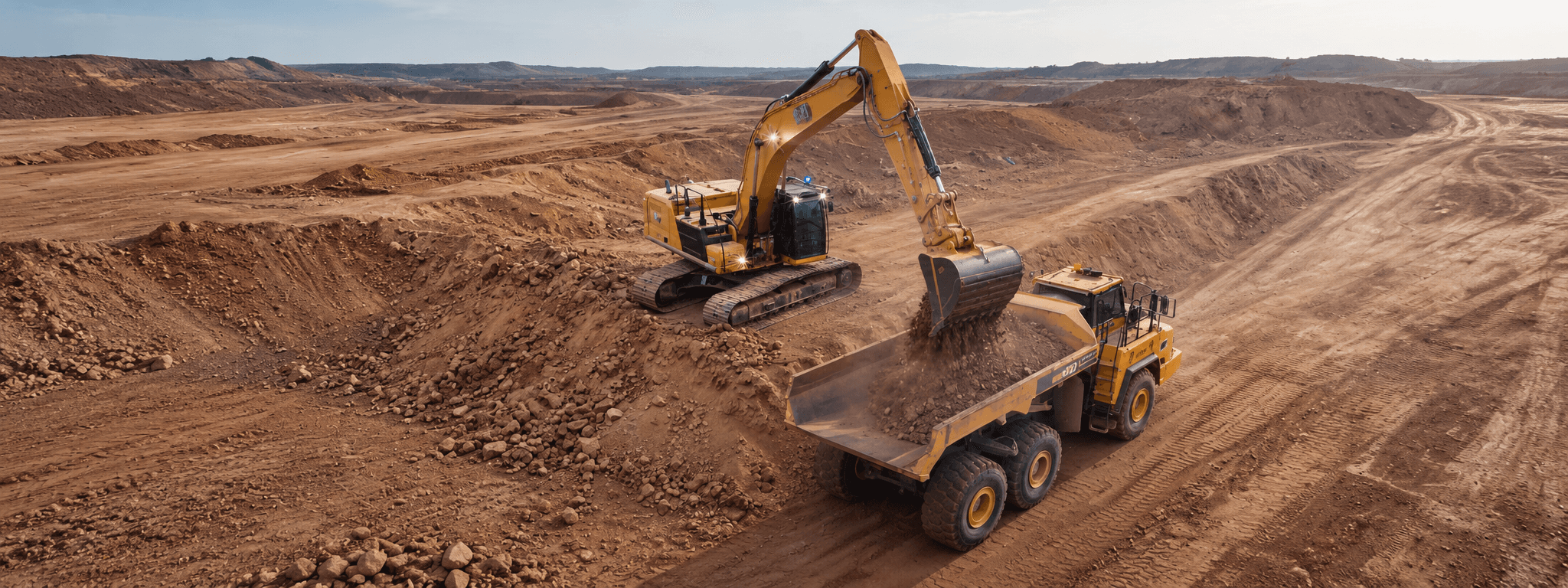
CASBOT is also working on robots for hazardous mining tasks, including systems undergoing field training in underground environments. Its full-size humanoids have appeared in a four-robot music ensemble, providing another environment for testing coordinated movement and manipulation, although that is separate from the company’s manufacturing orders.
The new funding will support production delivery, development of embodied AI models and market expansion. For a company building both humanoids and task-specific machines, the next commercial test is whether its industrial order book converts into sustained deliveries and repeat business, while the technology developed for specialized work carries over to more general-purpose robots.