Commercial
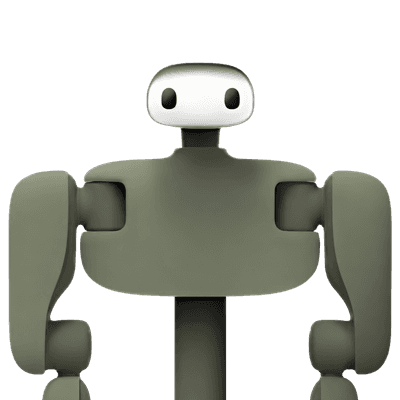
Isaac 1



U.S. home robotics startup building the Isaac household robot for everyday chores through a hardware and subscription model.
U.S. home robotics startup building the Isaac household robot for everyday chores through a hardware and subscription model.
Weave Robotics is a U.S. robotics startup developing practical household robots for everyday domestic tasks. Founded in 2024, the company focuses on bringing useful home automation to consumers through robots designed to perform repetitive, high-frequency chores rather than showcase research capabilities. Its flagship platform, Isaac, is designed to assist with tasks such as tidying, laundry, and household organization. Weave Robotics plans to offer the system as a combination of hardware and a subscription service, initially targeting consumers in the San Francisco Bay Area. The company’s strategy emphasizes real-world utility, frequent use, and continuous software improvements through connected deployments.
Platform maturity, autonomy stack, and flagship-system specifications in one view.
Capabilities and model layers highlighted by the company.
Published operating specifications for the lead system.
Weave Robotics was founded in San Francisco in 2024 by Evan Wineland and Kaan Doğrusoz, former Apple AI and robotics engineers who believed consumer home robots were finally ready for real deployment. They joined Y Combinator’s Summer 2024 batch and raised a seed round from YC and frontier‑tech investors to build Isaac, a home robot focused on practical tasks rather than sci‑fi general intelligence.
The team’s first product, Isaac 0, is a stationary laundry‑folding robot that can process a typical household load and is offered via an upfront purchase or monthly subscription to Bay Area customers and laundromats. Building on that, Weave announced Isaac 1, a mobile home robot designed to tidy living spaces, organize belongings, and fold clothes using a wheeled base, dual arms, and a vision‑conditioned AI stack trained from real‑world deployments.
Weave’s thesis is that humanoid‑inspired robots should be philosophically grounded in everyday utility, entering homes through narrow but high‑value workflows like laundry and tidying, and then expanding capabilities as the data and reliability mature.