COMMERCIAL
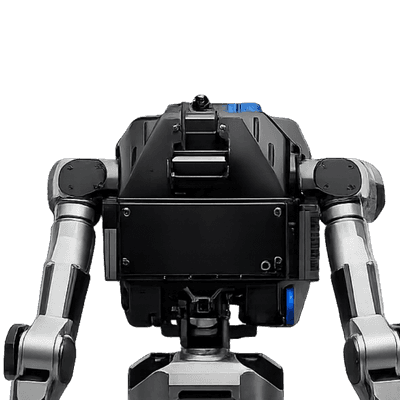
Moby



Noble Machines (formerly Under Control Robotics / UCR) builds pragmatic industrial humanoids for hazardous environments. Founded by veterans from SpaceX, Apple, NASA, and Caltech. First Fortune Global 500 deployment in 18 months.
Noble Machines is an American robotics company developing industrial humanoid robots for hazardous and physically demanding work environments. Formerly known as Under Control Robotics (UCR), the company was founded by engineers and researchers from SpaceX, Apple, NASA, and Caltech with a focus on building practical robots for real industrial deployment rather than laboratory demonstrations. Its flagship humanoid, Moby, is designed to operate in challenging environments, combining rugged mobility, high payload capacity, and rapid skill acquisition. Using AI-driven learning, Moby can be trained to perform new industrial tasks in hours instead of weeks, enabling faster deployment across manufacturing, energy, logistics, and infrastructure applications. Noble Machines has focused on early commercial adoption, securing deployment with a Fortune Global 500 company within its first 18 months.
Platform maturity, autonomy stack, and flagship-system specifications in one view.
A concise view of platform maturity and deployment footprint.
Published operating specifications for the lead system.
By 2026, Noble Machines was framing itself around real deployment velocity, noting a first Fortune Global 500 deployment within roughly 18 months. That message reinforced its industrial, anti-demo positioning in the broader humanoid landscape.
Noble Machines was founded in 2024 and initially operated as Under Control Robotics. The founding team came from organizations including SpaceX, Apple, NASA, and Caltech, and focused early on hazardous industrial tasks rather than consumer or service robotics.
In March 2025, the company said it had built and deployed Moby in under eight months using the NVIDIA Isaac platform. It emphasized rugged mobility, a 60-pound payload, outdoor navigation, and practical industrial autonomy instead of showroom-style humanoid aesthetics.
By 2026, Noble Machines was framing itself around real deployment velocity, noting a first Fortune Global 500 deployment within roughly 18 months. That message reinforced its industrial, anti-demo positioning in the broader humanoid landscape.
Noble Machines is taking a pragmatist route into industrial humanoids. Its core argument is that heavy industry needs robots that can tolerate harsh terrain, carry useful payloads, and learn practical work quickly, not humanoids optimized first for consumer familiarity or polished demos.