
Memo did not appear out of nowhere. It sits on top of a body of work that systematically removed two classic bottlenecks in robotics.
The first bottleneck was hardware. For years, meaningful robot learning required exotic, six figure platforms that only a handful of labs could afford. By driving down the cost of capable bimanual systems and proving that low cost arms could handle fine grained tasks such as threading zip ties or inserting batteries, Tony Zhao’s work showed that meaningful manipulation did not have to be gated behind rare equipment. That matters because investors back systems that can be manufactured and replicated, not one off science projects.
The second bottleneck was intelligence. Traditional policies struggled once you left clean lab benches and entered the chaos of real homes. Cheng Chi’s diffusion based control work helped shift robotics toward models that can naturally handle multiple valid futures, complex action sequences, and noisy observations. His key insight was, once the algorithms are good enough, the main constraint becomes data. Better data, not endlessly more clever code.
Those two threads converge in Sunday. A company that is trying to industrialize an end to end pipeline.
A form factor built for the home
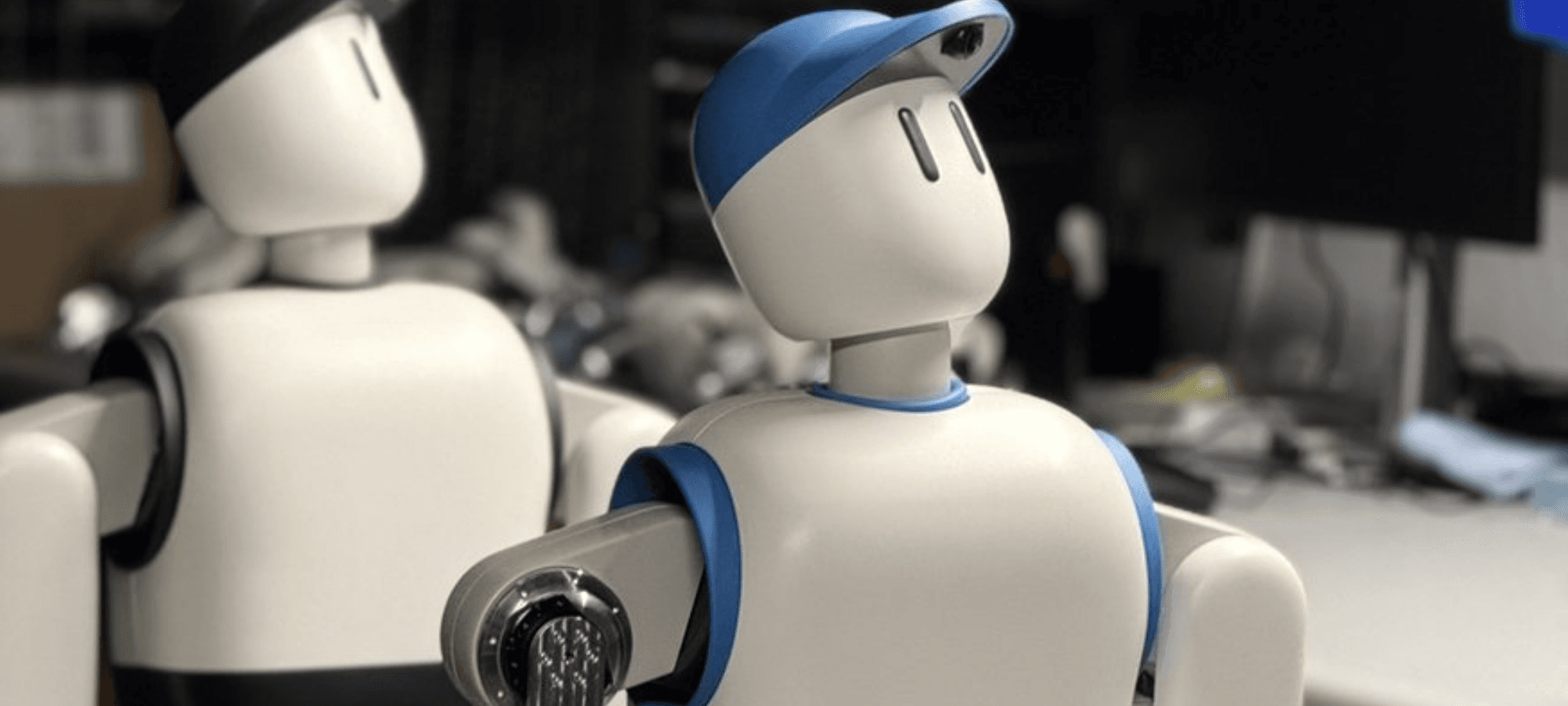
Memo’s physical design reads differently when viewed through an investor lens. It is not a humanoid acrobat designed for viral clips. It is a purpose built appliance for real homes.
The choice of a wheeled base rather than legs looks conservative at first glance. In practice, it is a risk reduction measure. Wheels are stable, predictable, and much easier to certify and insure in consumer environments. If power fails, the robot simply stops. It does not fall. That reduces both physical risk and reputational risk.
The telescoping torso solves vertical reach without the complexity and fragility of hips and knees. It lets Memo work across floor level, countertops and dishwasher racks with fewer moving parts. Fewer parts means lower manufacturing cost, simpler maintenance, and less downtime. Those details compound in deployment economics.
The arms and grippers are where Sunday concentrates its engineering budget. Dual arms enable bimanual tasks, which are essential for real household work. The grippers are tuned for safe, dexterous manipulation rather than industrial speed. They can cradle glassware gently and handle heavier cookware with confidence. This is where the glove informed design shows up. The robot is built to execute the skills people actually demonstrate.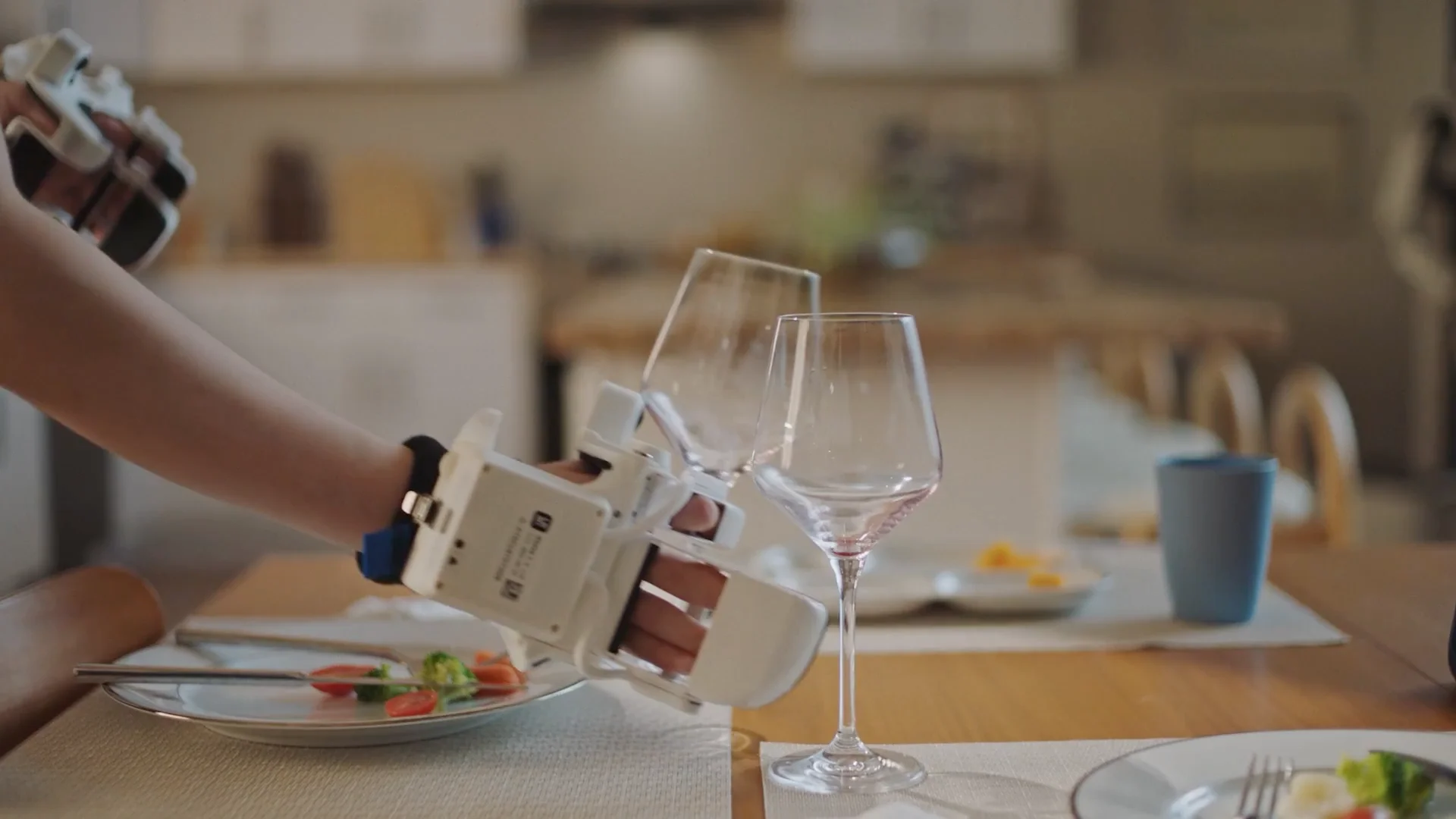
The silicone clad exterior is more than an aesthetic flourish. It signals safety and approachability, and it softens inevitable bumps in crowded spaces. Families are more likely to accept a robot that looks like a sophisticated appliance than a cold industrial machine or an uncanny humanoid. For a company that intends to place units in lived in homes rather than controlled pilots, that makes adoption friction lower and churn less likely.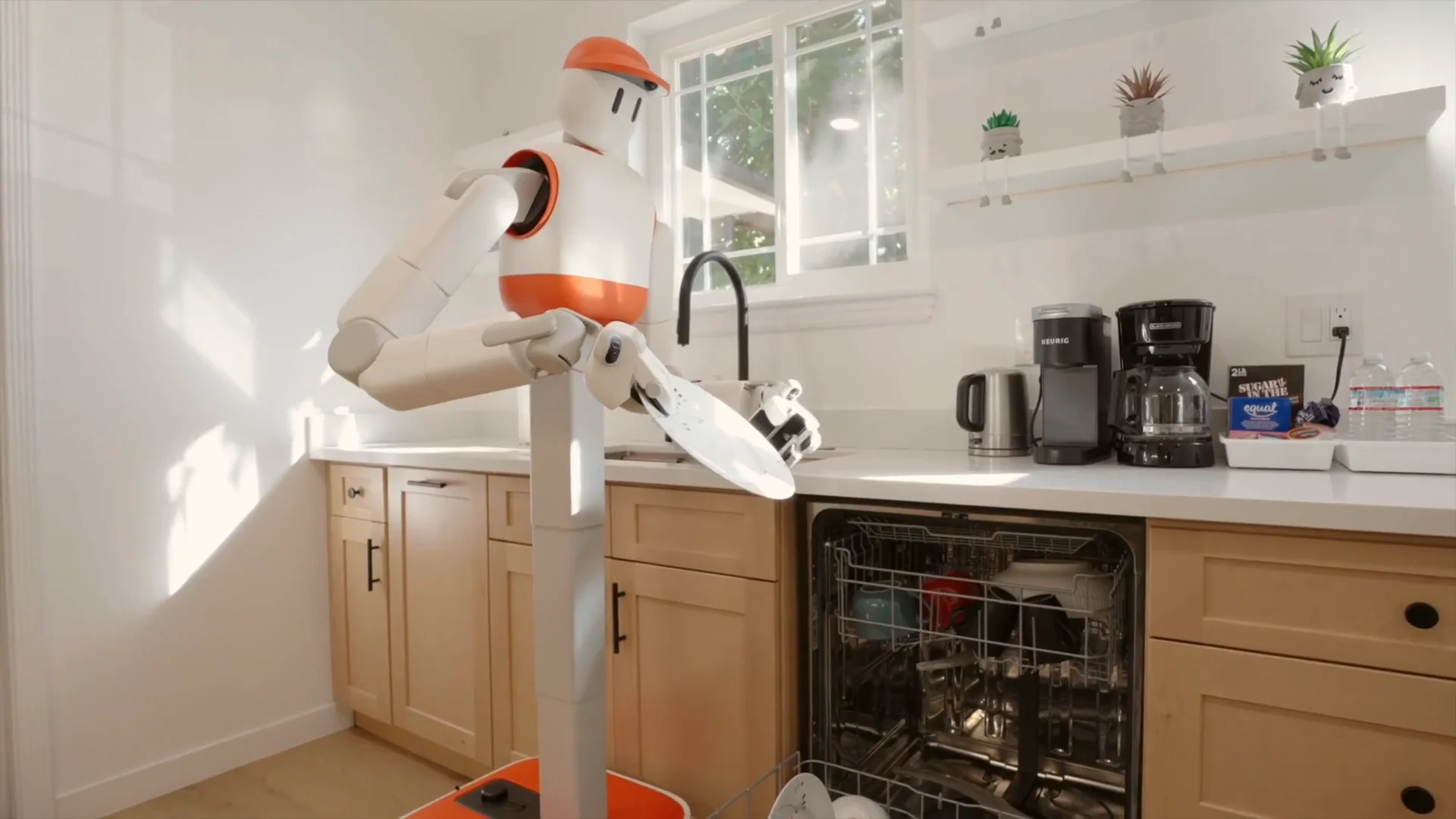
What Memo can do today
Investors do not fund a promise in a vacuum. They look at what exists now as evidence of execution.
Memo has already demonstrated end to end tasks that matter in the home. Navigating from dining areas to kitchens, clearing tables with dozens of unique interactions, loading dishwashers, and starting cycles without human intervention. Making coffee in genuinely messy kitchens. Folding clothing items and handling deformable materials that have historically challenged robots. Tidying and organizing items into sensible locations.
The important detail is not that every run is flawless. It is that these capabilities work often enough in varied conditions to justify a structured beta. Sunday has chosen to move away from polished one off demos and toward a program where real households live with Memo over extended periods. Those early customers will surface failure modes, edge cases, and integration issues far more quickly than a lab ever could.
From an investor’s standpoint, it demonstrates that the company understands its own maturity level. It is willing to expose the product to the chaos of real usage in order to harden both the model and the machine.
The 165 million dollar question
So why did investors write 165 million dollars in new checks?
Part of the answer is timing. Household robotics is moving past the stage where the only viable products are vacuums and lawn mowers. Advances in perception, control, and hardware cost curves are converging. Many forecasts now project that the household robot segment will more than double in market size over the next decade, with compound growth in the high teens as robots expand from single task devices into more capable assistants.
Part of the answer is structure. Sunday now has a clear use of proceeds story. Expand the glove network. Train larger and more capable foundation models. Transition Memo from limited beta into scaled deployment. Drive manufacturing costs down as volumes increase. Each step builds on the previous one, and each is measurable.
Another part is positioning. Memo is not trying to be a general purpose humanoid that can work in a factory one day and a home the next. It targets a specific environment and a specific set of jobs to be done. That clarity allows Sunday to optimize every layer of the stack for domestic work instead of spreading itself thin across unrelated markets.