
German industrial supplier Schaeffler has detailed the start of series production of humanoid joint components at its Taicang facility in China, where six humanoid robots are working across five assembly stations. The robots handle parts staging, sorting, assembly, inspection, labeling and packaging, producing components intended for other humanoid machines.
The 7,500-square-meter site combines manufacturing with robot training, data collection and digital-twin systems. Schaeffler is using the facility both to supply motion components and to test humanoid robots in the kinds of industrial processes they may eventually perform at other factories.
Its production line makes key joint modules, including linear and rotary actuators. A digital replica mirrors operations while sensors record assembly accuracy, cycle times, energy consumption and equipment condition. Engineers can use those measurements to test changes virtually before applying them on the physical line.
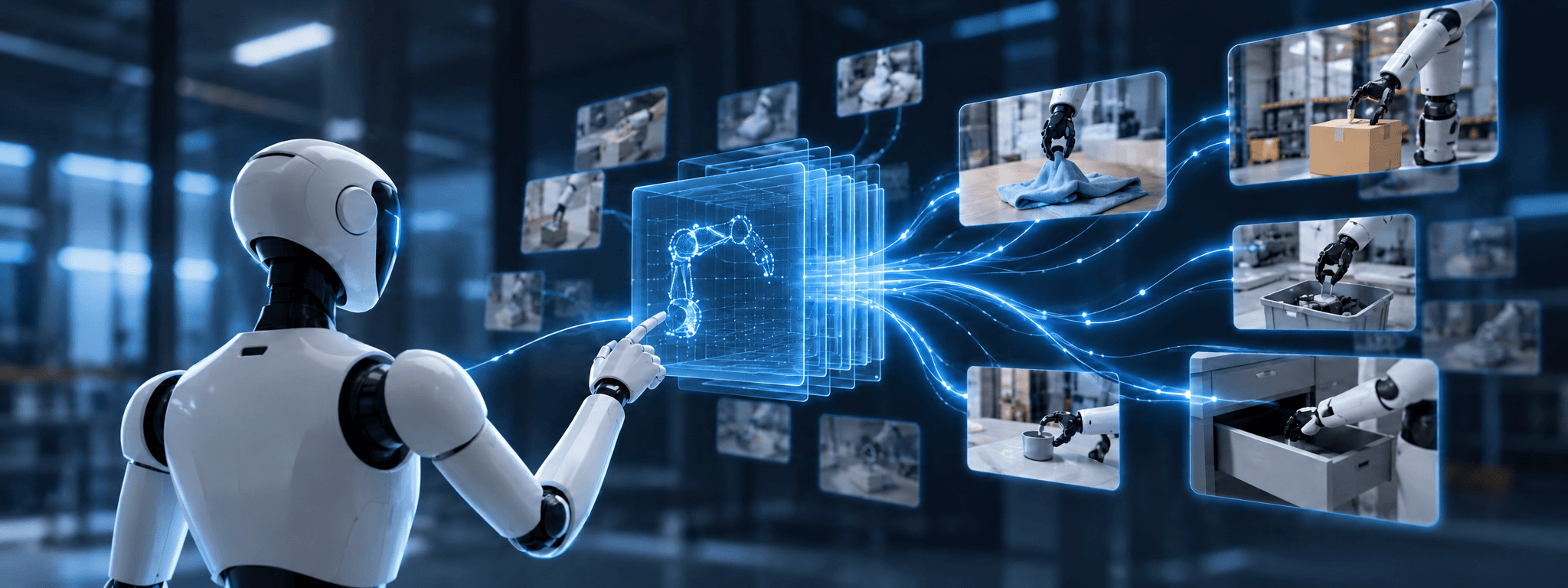
The company is also building a training program around tasks found at its approximately 100 manufacturing plants. Robots practice visual inspection, packaging, material handling and line-side replenishment, with their performance assessed against production requirements.
Schaeffler disclosed the Taicang lighthouse-factory initiative earlier in 2026. Its October 20 announcement provides specific details of the six-robot assembly operation and describes the beginning of mass production of the components. The company has not disclosed hourly output, autonomous operating time or independent reliability results, so the scale of the robotic contribution cannot yet be assessed.
Alongside the factory update, Schaeffler said two new customers in Greater China helped bring its global incoming orders for humanoid robotics to approximately €400 million. That figure is an order intake measure across the business, not revenue earned by the Taicang plant.
The project gives Schaeffler a manufacturing testbed for components it hopes to supply to a growing robotics industry. Its immediate commercial test will be whether the robot-assisted line can deliver repeatable quality and competitive production economics.