
NVIDIA expanded its Isaac robotics platform at GTC Berlin on October 21, introducing new tools for training robot policies alongside a compact humanoid built with Germany’s Agile Robots. The announcements connect simulation, data generation, model training and onboard control in a more integrated development environment.
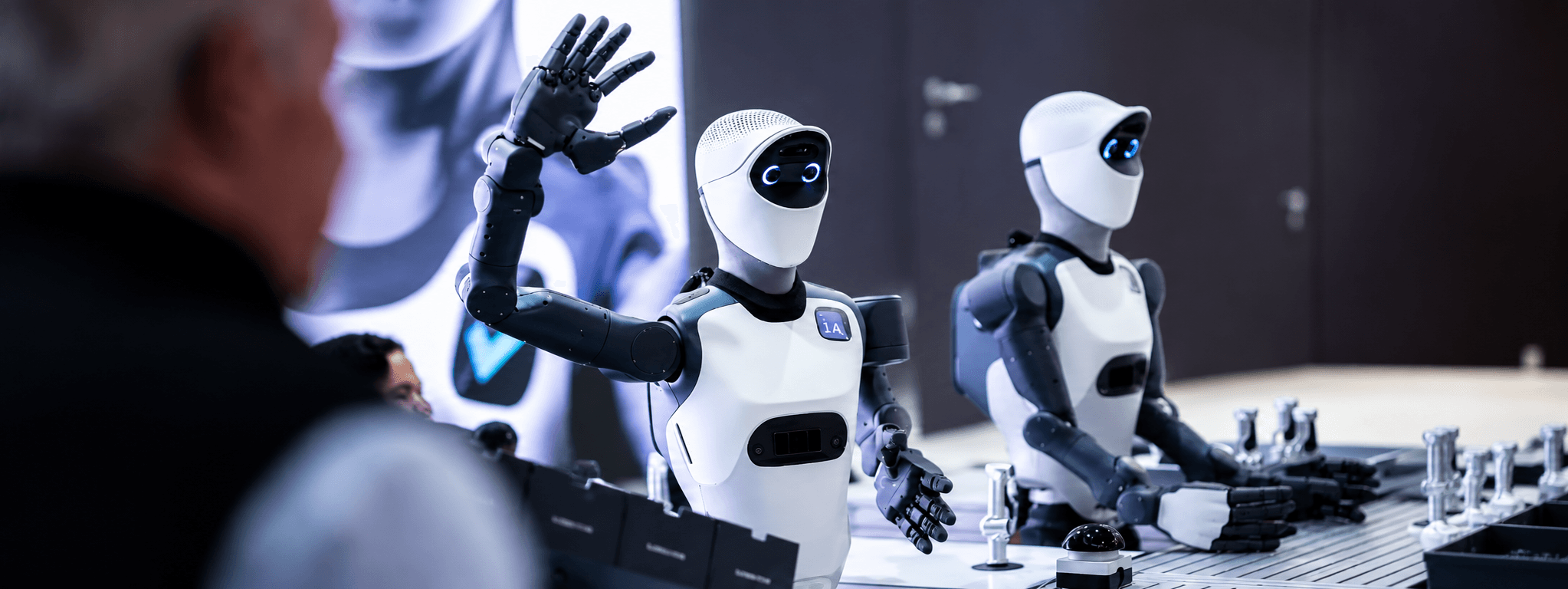
The Agile ONE SN is a 1.4-metre research humanoid equipped with NVIDIA’s Jetson Thor computing platform and Isaac GR00T foundation-model technology. Its two five-fingered hands include tactile sensing and force control, while head and wrist cameras and lidar support perception. NVIDIA specifies a 3 kg payload per arm. The robot is expected to become available in early 2027, with safety-system integration still planned.
Agile Robots chief executive Zhaopeng Chen told Reuters that the company intends to produce between 1,000 and 2,000 compact Agile ONE S and ONE SN humanoids in 2027, with production beginning by the end of 2026. The machines are aimed at universities and corporate research teams. Stanford University and ETH Zurich were mentioned as prospective customers rather than confirmed orders.
The software announcements are substantial in their own right. Isaac Lab 3.0 is now generally available, providing a framework for training and refining robot policies. NVIDIA also introduced Isaac OS, a runtime designed to connect perception, AI inference and robot controls. Its SimReady library adds more than 2,000 simulation-ready factory and robot assets, while the Human 1M dataset offers additional material for learning from human movement.
Industrial robotics companies including ABB Robotics, KUKA, NEURA Robotics and Sereact are integrating parts of the Isaac ecosystem into their own systems. NVIDIA says the integrated tools can shorten the work needed to bring new robot skills into physical testing, although the announcement does not establish independently measured productivity gains across customers.