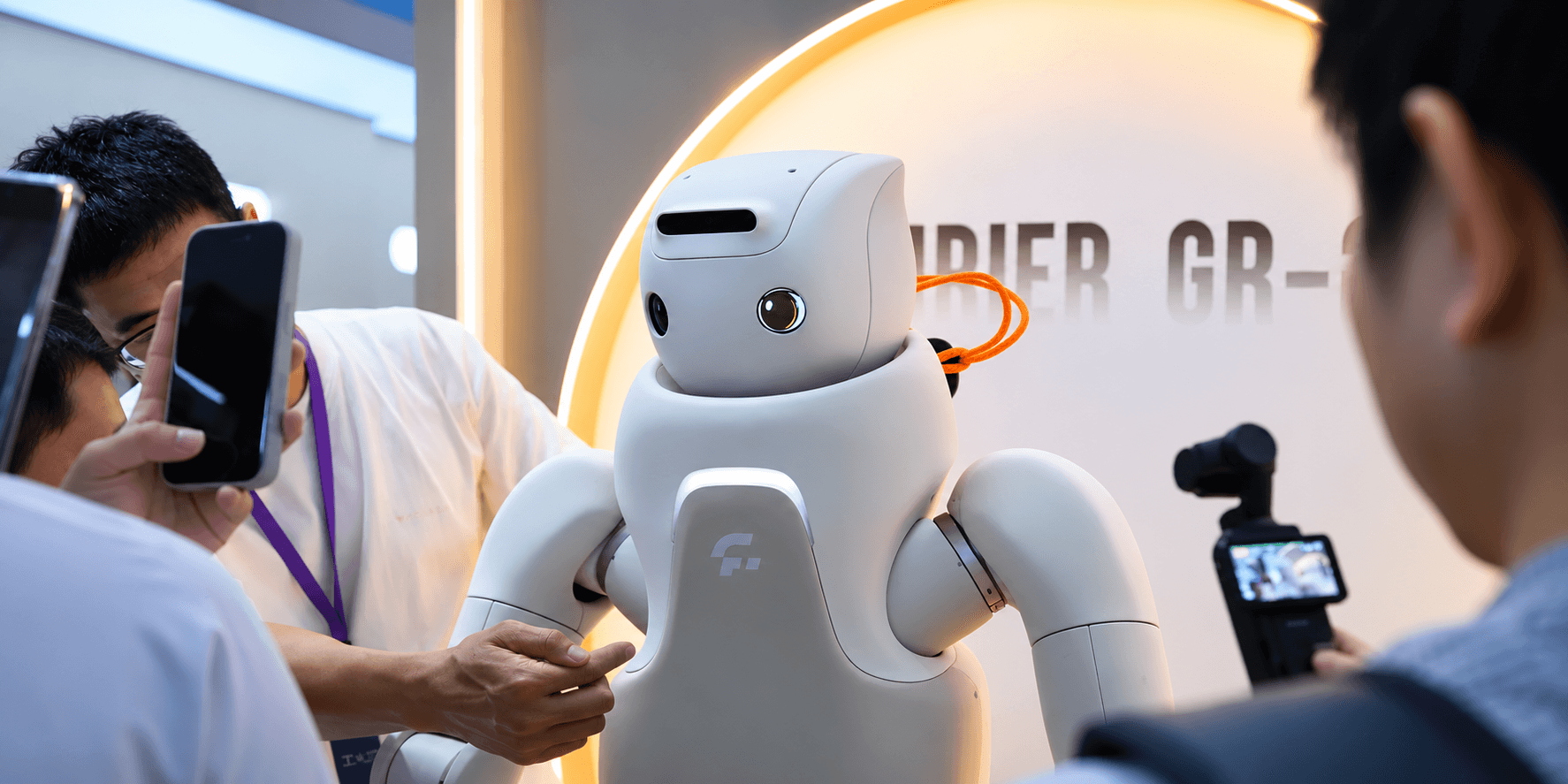

Meta has developed a humanoid robot prototype with Chinese robotics company Fourier and is already working on a second version, according to an October 31 report by The Information. The project gives the technology group a physical platform for testing how its artificial intelligence systems could eventually operate in homes, although the company has not announced a commercial robot or a launch timetable.
The first prototype, known internally as Max, reportedly took about three months to build. Standing approximately 1.5 metres tall and weighing 106 pounds, the machine uses NVIDIA’s Jetson Thor computing platform and incorporates five-fingered hands capable of handling small objects. Its face can display expressions, while speakers in its torso support interaction. The Information reported that Meta specified capabilities such as responding to voices and gestures at a distance and signalling conversational states through its display.
The collaboration draws on Fourier’s existing humanoid hardware experience rather than requiring Meta to develop every mechanical component from scratch. Members of Meta’s robotics team worked with Fourier in China, and the first prototype was shown to employees at an internal robotics gathering in August. Development of Max 2 began in September, with plans for improved manipulation, a redesigned torso, additional sensing for stair navigation and a projector.
The initiative also reflects a broader shift among major AI companies toward systems that can act in physical environments. For Meta, a humanoid platform could provide a way to test perception, interaction and embodied intelligence together, while Fourier gains experience working with a large consumer technology company on a custom robot.
The distinction between research and commercialization remains important. Meta told The Information that its work with Fourier is intended for internal research and experimentation and that it has no plans to sell these units. The report relies on people familiar with the project, and Reuters said it could not independently verify the account. There is no public evidence yet of a production commitment, customer deployment or demonstrated household autonomy.