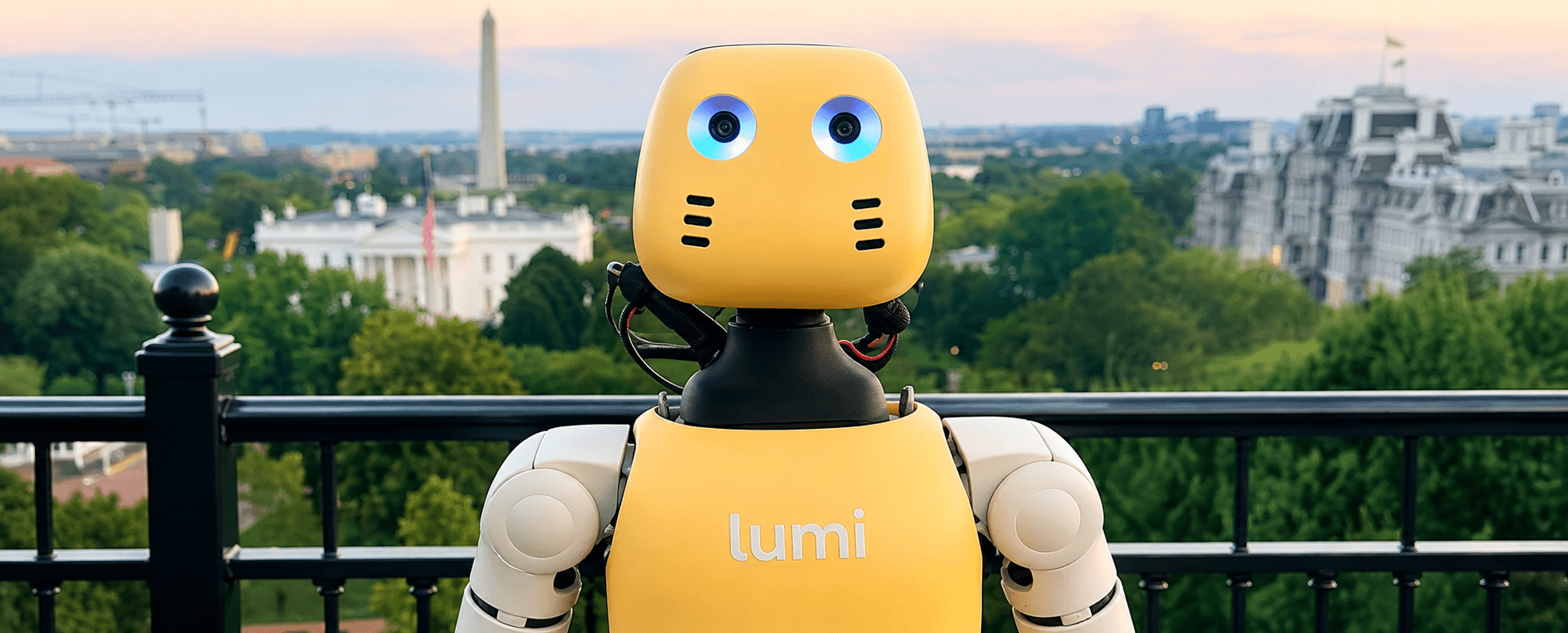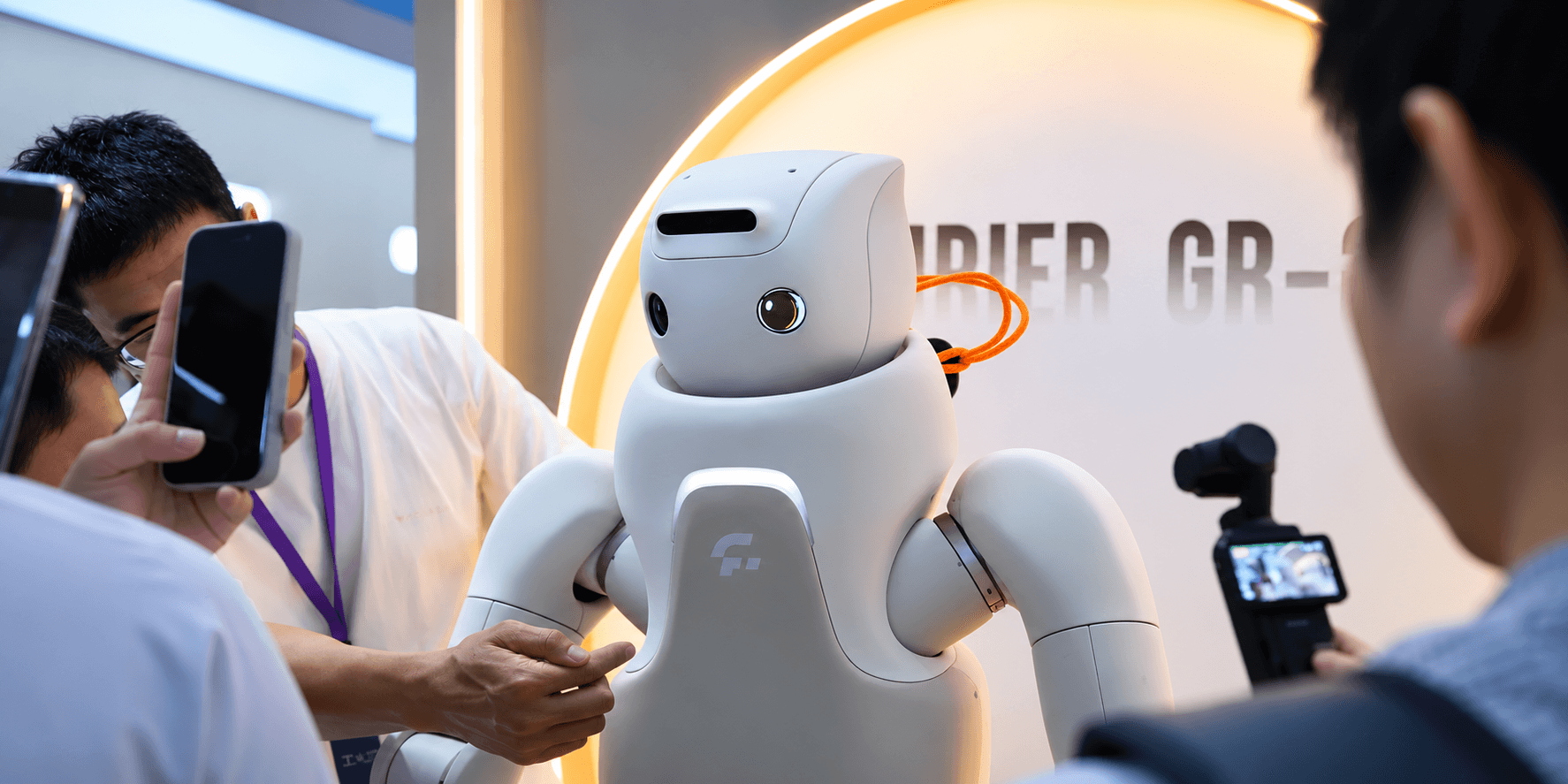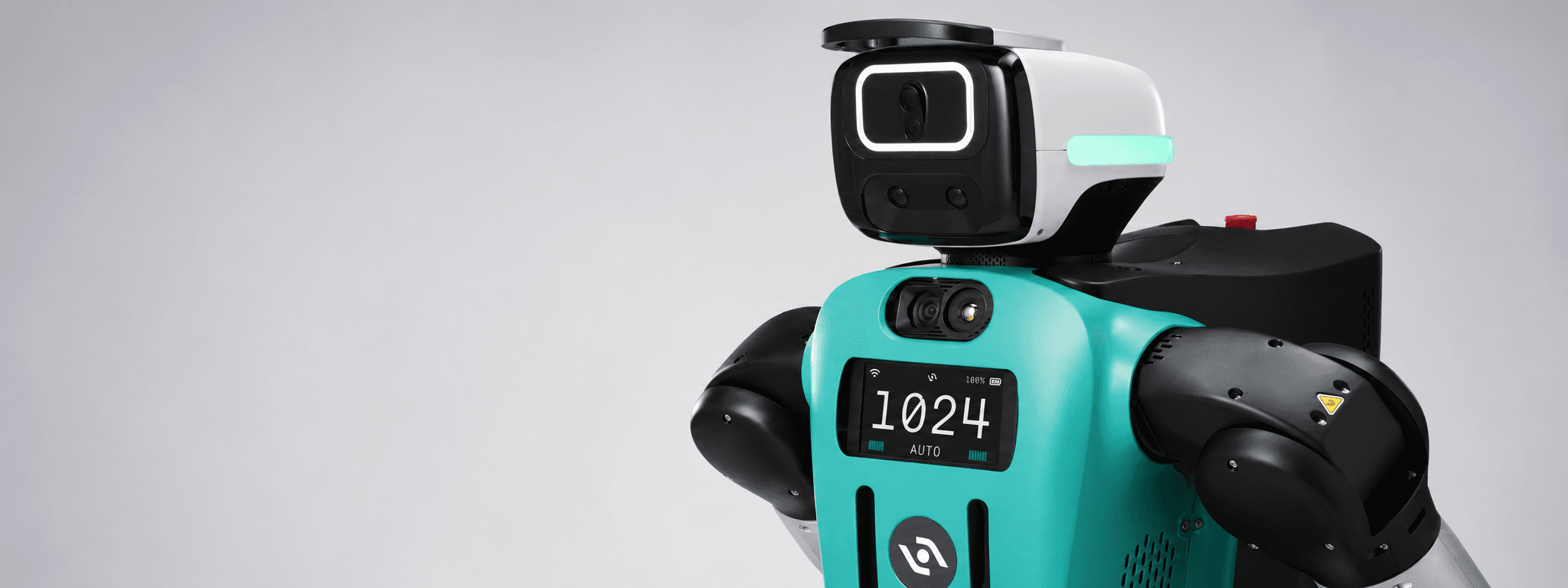

A recent shift in commercial humanoids towards more lifelike robots from major companies has opened the floor to discussion about their application in research and broader use in society. As someone who has been building and programming lifelike humanoids for over 15 years, the answer has always been straightforward: Since the human face is the most natural interface for communication, emulating it with technology allows people from different backgrounds and capabilities to use AI more effectively.
It’s easy to forget that a large portion of the human population has never used a computer, tablet or any electronic device whatsoever, and others may have health impairments or were simply born before such technology became widely introduced. But one thing that almost all people have is the ability to communicate with other humans, so this is where I believe lifelike humanoids are of most value. As a natural interface to sophisticated AI systems that could potentially enhance people’s lives through education, companionship and wellbeing.
This changes the applications of mechanical-looking humanoids vs. lifelike humanoids. In human-robot interaction applications and research, perhaps it’s more effective to have a human-like interface to make communication easier to interpret and understand through facial expressions, speech reading, eye contact and so on. Whereas robots working in factories or similar industries are less likely to need such features due to limited interactions with humans.
Baudi: A Lifelike Humanoid Robot Designed with Artificial Pupils that Dilate to Light and Facial Expressions (Emotions)
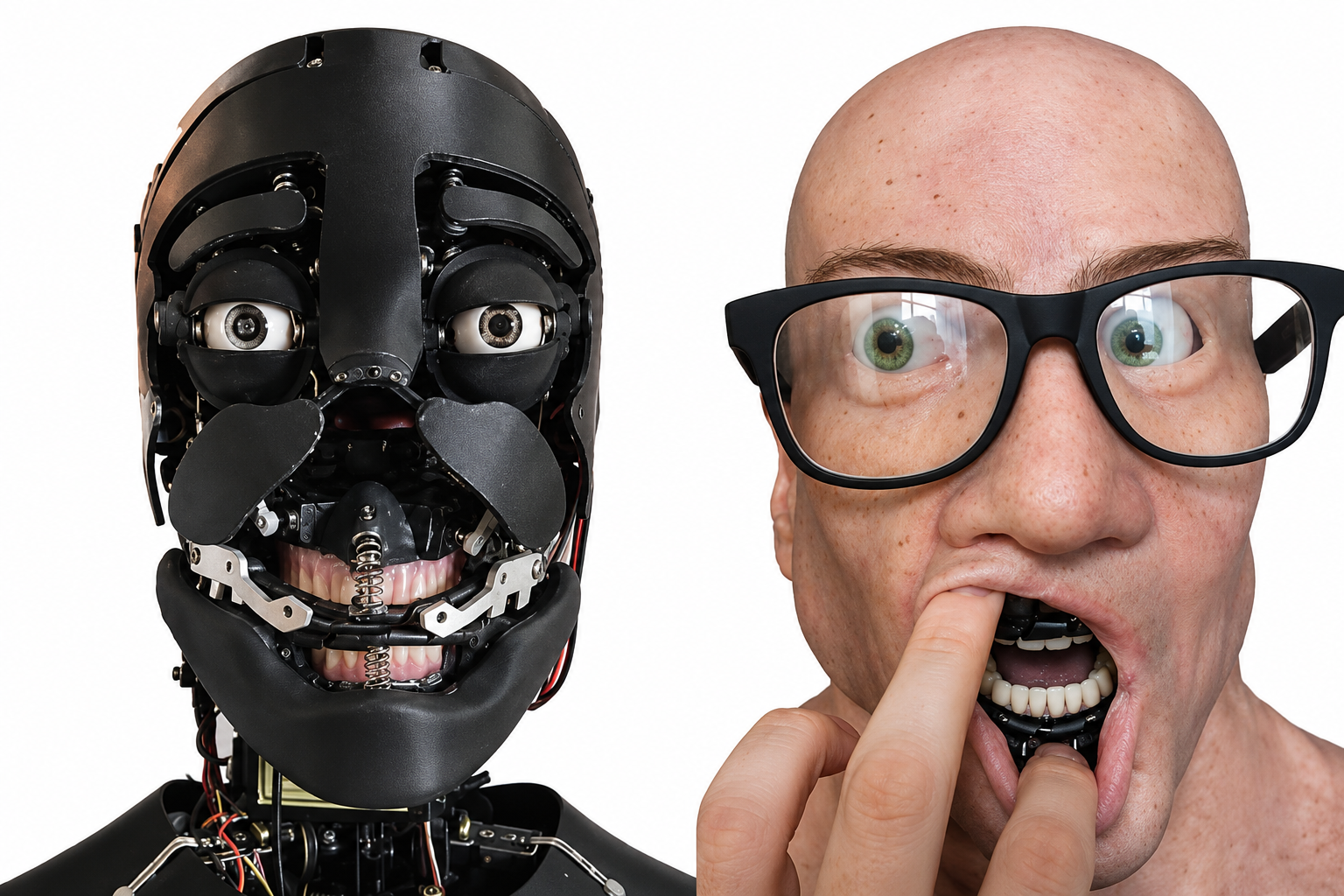
However, this comes with a major caveat: humans naturally form strong associations with technology or even objects with a significant human semblance. It’s hardwired into our psyche to replicate our interactions and behaviours with each other towards technology with a similar appearance and behaviours because we apply similar processes and rules in our interpretation and understanding.
This is significantly heightened if robots are designed to look like specific people. There are companies that will pay money to scan people’s faces and sample their voices and ‘personalities’ to permanently license them for future robot designs.
This is where I think the major risk lies: humans forming exceptionally strong relationships with robots and what this may mean long-term for our natural human-human relationships. It’s important here to make some clarifications. First of all, the appearance and capabilities of humanoids are completely superficial.
AI does not understand meaning or more complex and abstract concepts such as love, common sense and empathy. The ability to predict and organise language into coherent sentences based on example data is not the same as actually understanding what is happening or being said. Even if we add vision and multiple sensors to a robot to allow real-time feedback, we are still working with a very limited and rigid Bayesian probabilistic model of the world. Similarly, even if we create a robot which is perceptually identical to humans, then we are only experiencing the surface and not what’s going on underneath. One of my favourite quotes from the TV series Westworld is “Well, if you can’t tell, does it matter?” because there will never be a unified scientific answer for this.
MOIRA, a Modular 3D-Printed Humanoid Robot with Local VLMs
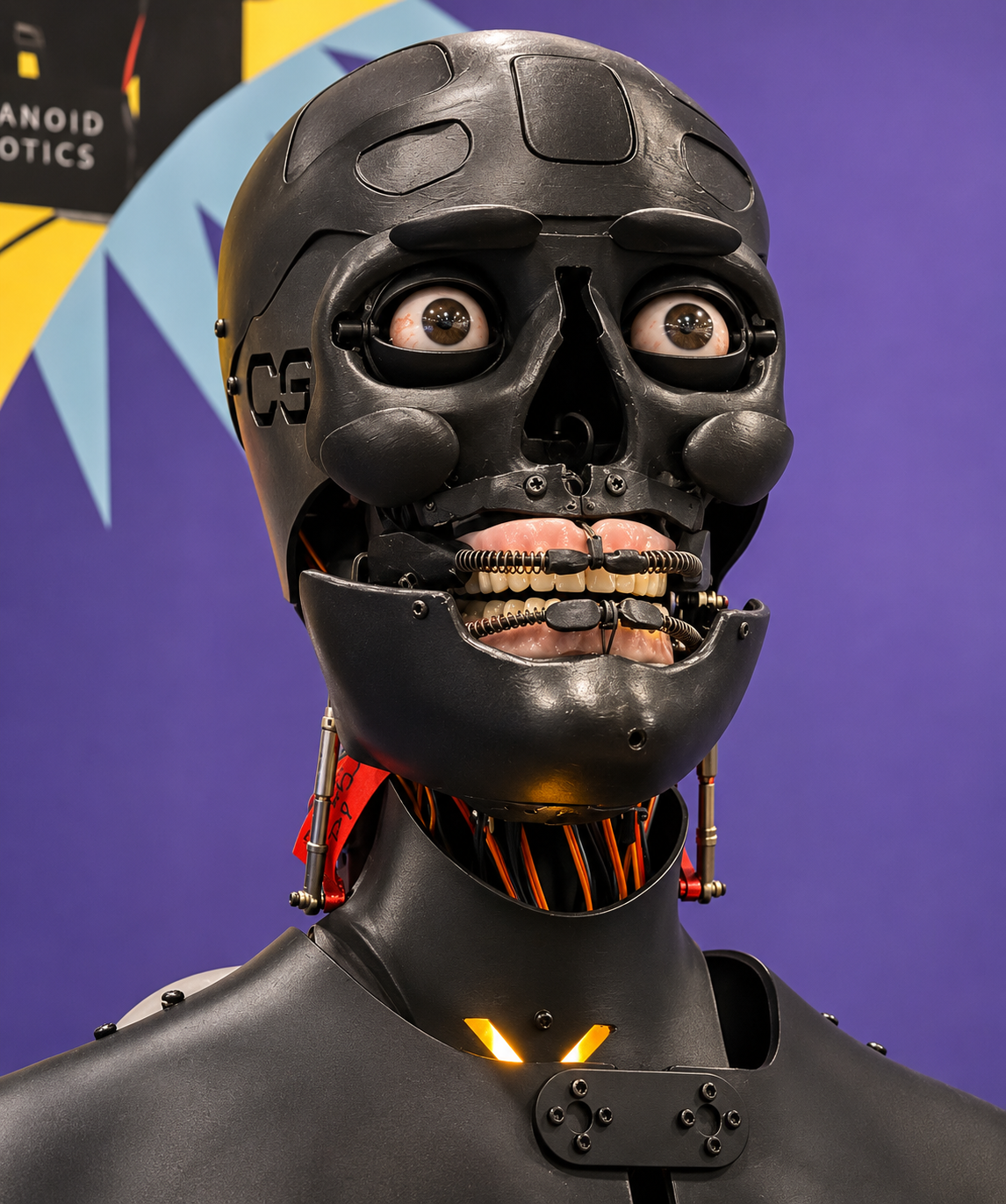
For some people, human likeness and the simulation of sentience is enough; for others, there’s something much deeper, fundamental and innate to human relationships that cannot be replicated or quantified using technology or mathematical equations.
Despite the risks, I think there are genuine use cases, albeit very limited, for human-like robots in society, especially in areas such as healthcare, education and wellbeing where services are short or non-existent and could be enhanced with more accessible technology. I often ask myself, is something better than nothing? For example, would I rather be alone or have a companion, whether that’s another human, animal or robot?
To answer the question “How Much Does Looking Like a Human Matter?”… it’s a matter of degrees. A personal choice, or a need, based on the most effective technology form for a specific use case or scenario. I believe that it’s a somewhat ‘natural’ or arguably unnatural progression in humanoid robots to work towards higher modes of human likeness because we ourselves are the benchmark for this technology.
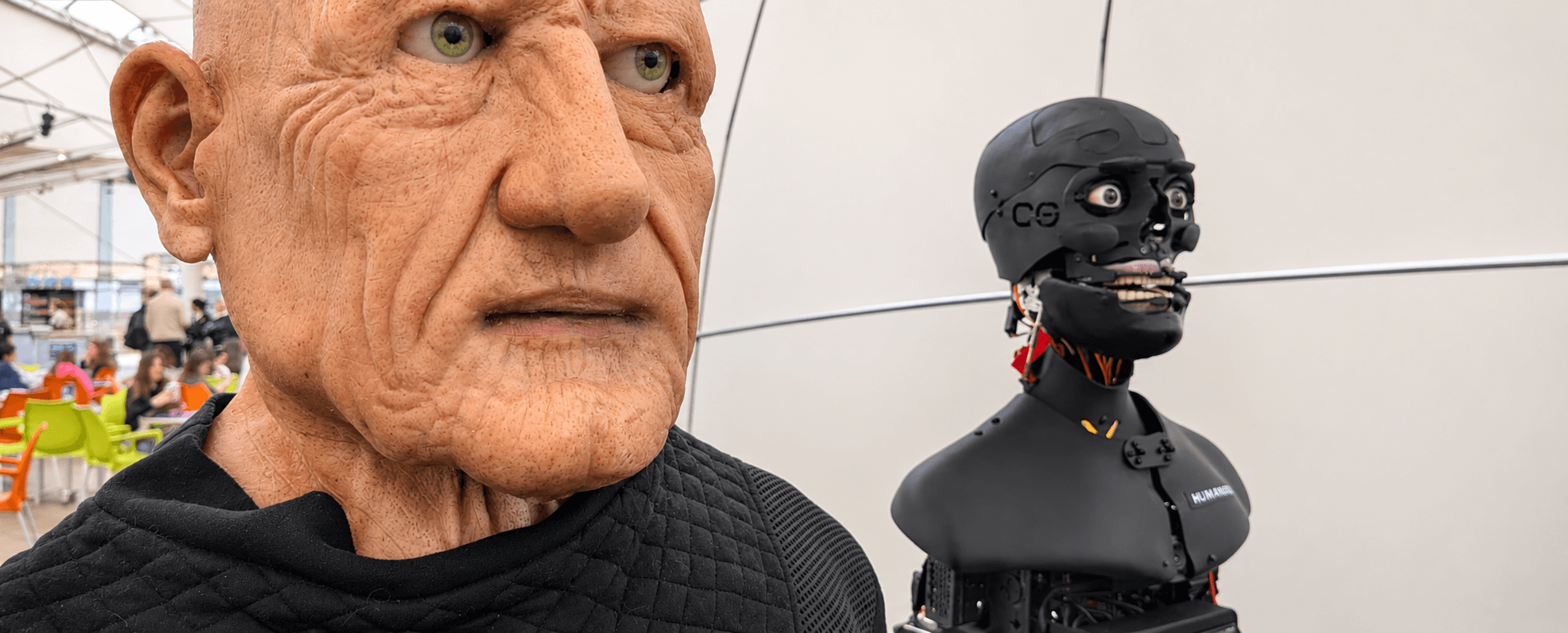
Euclid: An Elderly Lifelike Humanoid Robot for Companionship
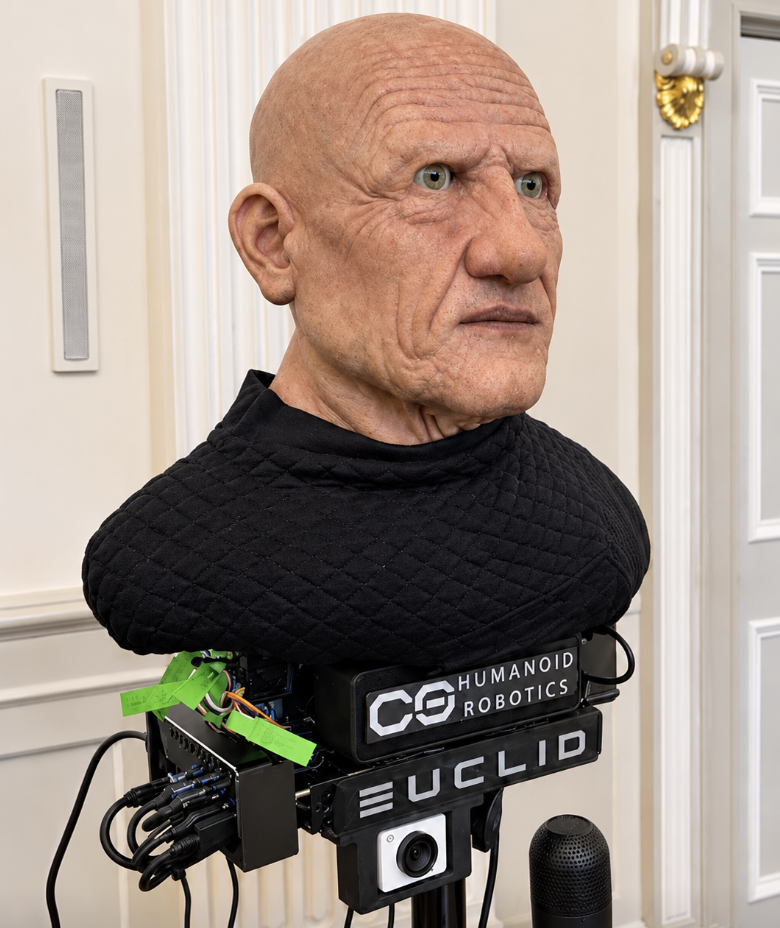
Ultimately, the success of lifelike humanoids will not be determined by how convincingly they imitate humans, but by whether they genuinely improve people’s lives. If we can remain clear about the distinction between simulated human qualities and real human experience, then these technologies may become valuable tools to enhance society rather than substitutes to simply replace people.
Perhaps the most important question is not about how much more human-like robots can or should become, but about our own choices in whether we think they would personally benefit us or not.