
Announced on October 19, Dream-1 is the company’s first commercially accessible model, available through a public API starting at $3 per hour.
Founded by former NVIDIA researchers who worked on the company’s robotics foundation models, Dream Labs is developing AI systems that can transfer learned capabilities between different robotic platforms.
That remains one of the industry’s most difficult technical challenges.
Robots typically require substantial training data collected from their own hardware before they can reliably perform new tasks. Even when two machines have similar capabilities, transferring a trained model between them often requires additional engineering and data collection.
Dream-1 takes a different approach.
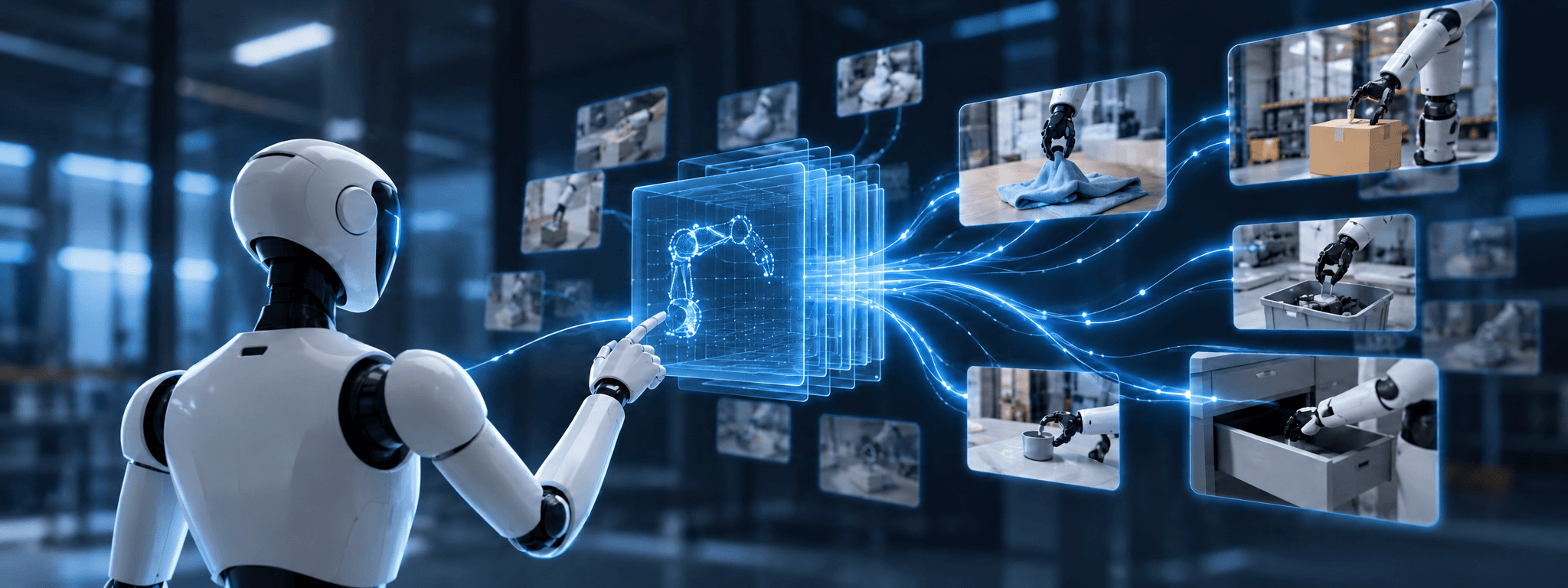
The model uses a World Action Model architecture that learns to predict how physical environments change through video, connecting those predictions with the actions a robot needs to perform.
According to Dream Labs, the model can control previously unseen two-armed robots with parallel grippers without additional robot-specific training.
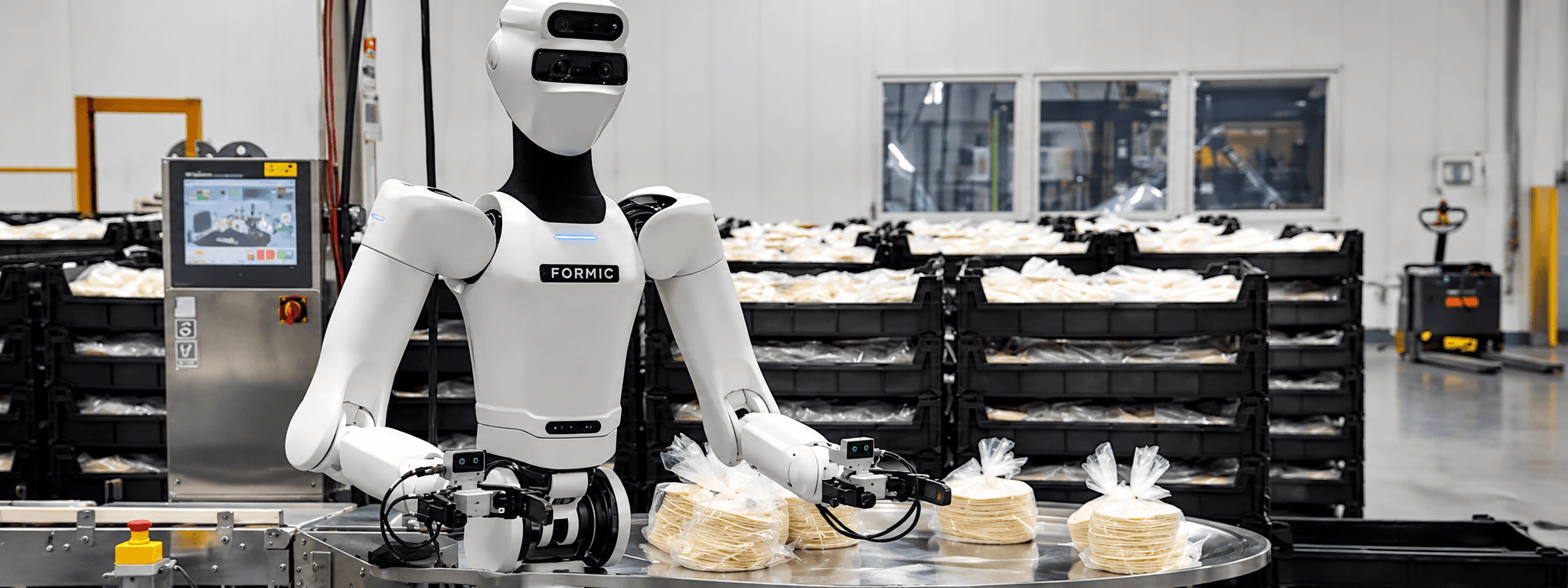
The company demonstrated its technology on multiple robotic platforms and evaluated zero-shot transfer across 27 previously unseen robot configurations in simulation.
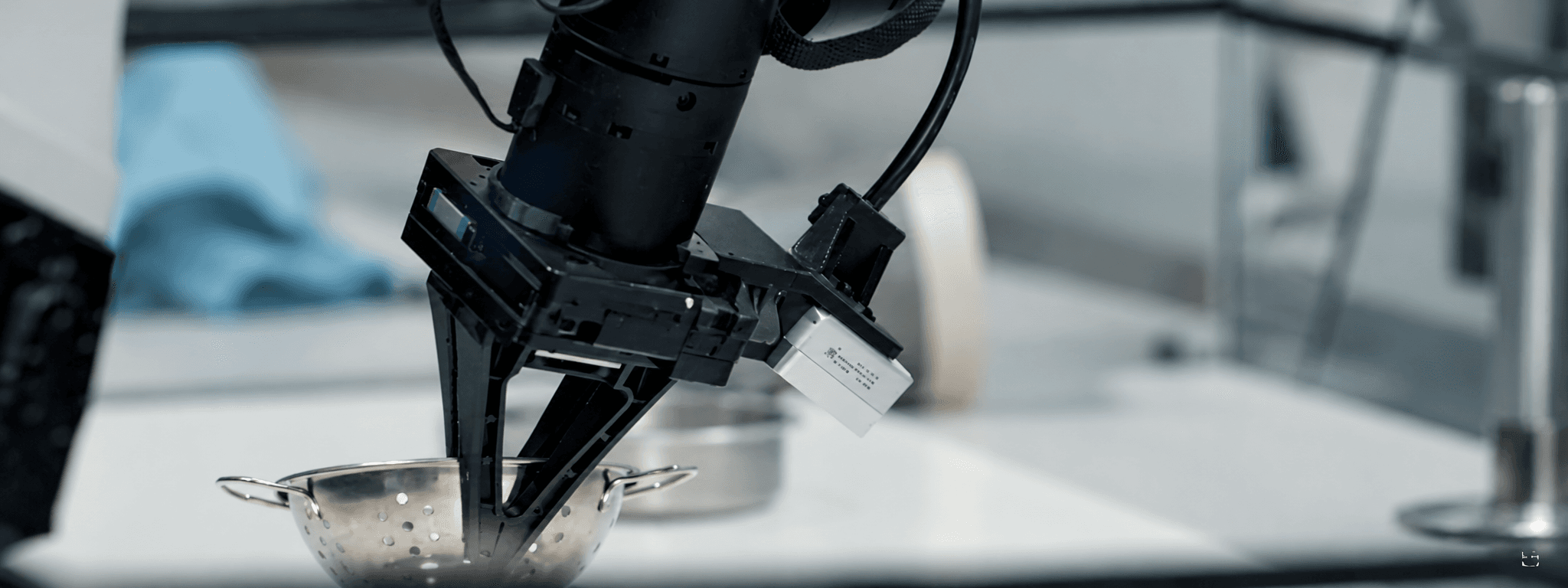
Its initial capabilities include object manipulation, sorting and folding tasks.
Dream Labs also commissioned an independent evaluation from Robocurve, which reported a mean score of 59.3% across 120 task attempts on its RoboDojo-RC Tier 1 benchmark.
The result provides external evidence of the model’s manipulation capabilities, although it does not independently establish reliable performance across every supported robotic platform.
Alongside Dream-1, the company introduced Dream API, a fine-tuning service and Robot Playground, which allows developers to remotely interact with physical robots through a browser.
The $90 million funding round was led by B Capital, with participation from Kindred Ventures and several other investors.
Dream Labs is already working with more than 20 hardware partners, whose robotic systems typically cost between $2,000 and $10,000.
For now, Dream-1 remains a research beta focused on bimanual manipulation. Support for mobile robots and dexterous robotic hands is planned, while independent validation in commercial operating environments remains limited.