
Published on October 19, the document was jointly issued by nine government departments, including the Ministry of Commerce, the Ministry of Industry and Information Technology and the National Development and Reform Commission.
The policy outlines 18 measures intended to accelerate technology adoption across China’s commercial economy.
Several provisions directly address robotics.
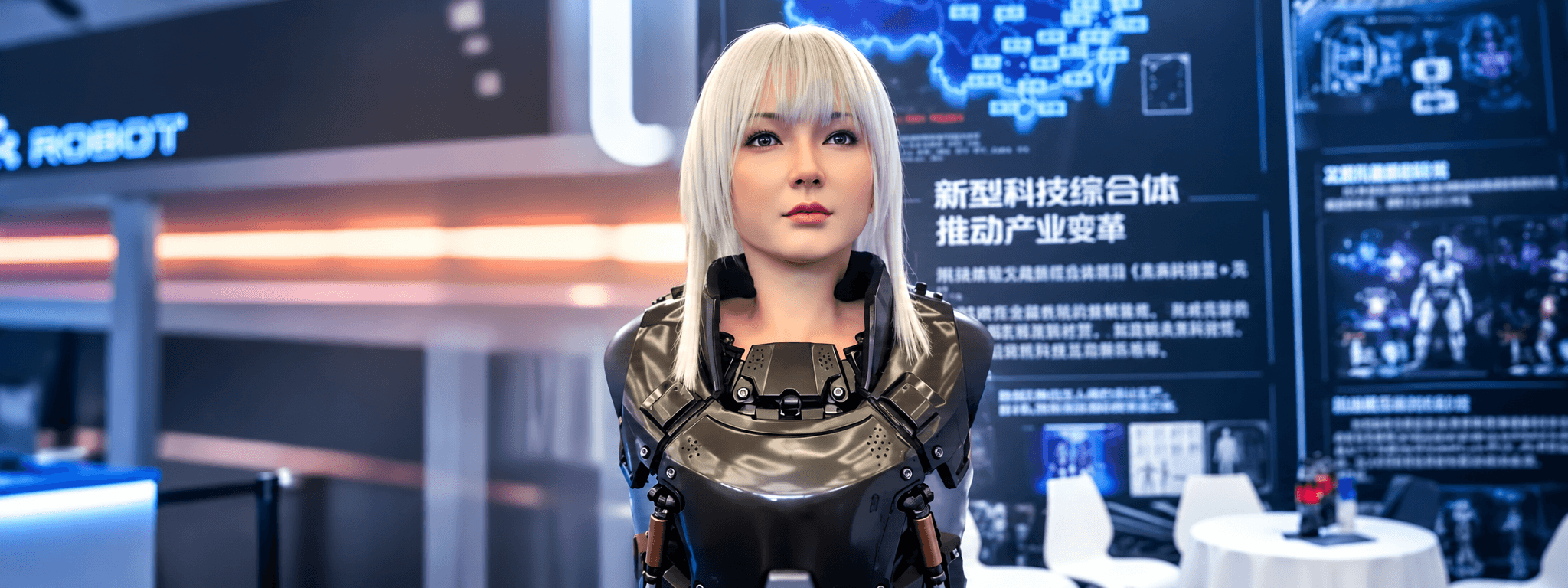
The government is encouraging the development of intelligent consumer products, including robots, while supporting the expansion of robot companionship services.
In logistics, the measures promote automated warehouses, intelligent equipment and unmanned delivery systems.
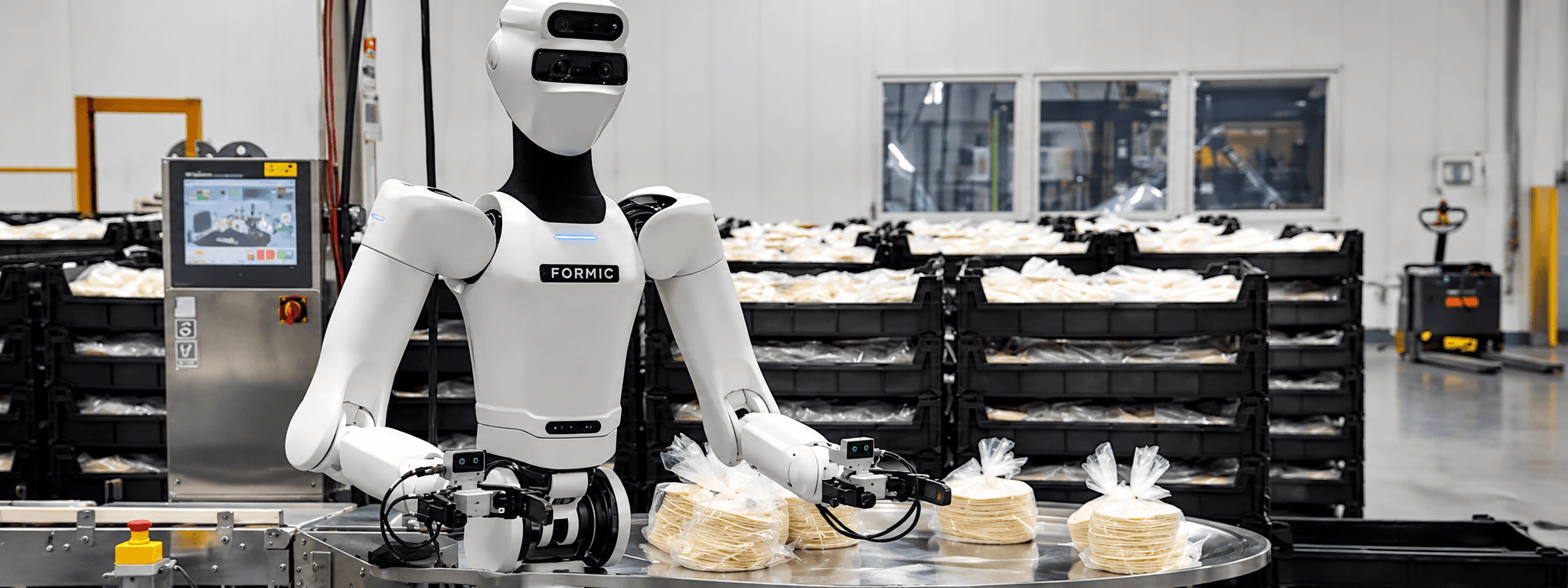
One provision specifically calls for embodied AI technologies to be deployed in commercial environments, with household services and commercial logistics identified as areas for expansion.
The document also addresses an important challenge facing robotics developers: access to environments where emerging technologies can be tested.
Authorities are encouraged to permit controlled testing and regulatory sandbox programmes, potentially allowing companies to evaluate new systems before wider commercial deployment.
Additional measures support technology transfer, workforce development and the creation of occupations associated with logistics robotics.
The policy arrives as Chinese robotics manufacturers seek to expand commercial applications for their increasingly diverse hardware platforms.
However, the document does not establish a new dedicated subsidy programme, procurement commitment or deployment target.
Instead, the government intends to use existing funding channels while encouraging financial institutions to support emerging commercial applications.
The measures provide a clearer indication of where Chinese authorities want embodied AI to be adopted, although their commercial impact will depend on subsequent implementation.