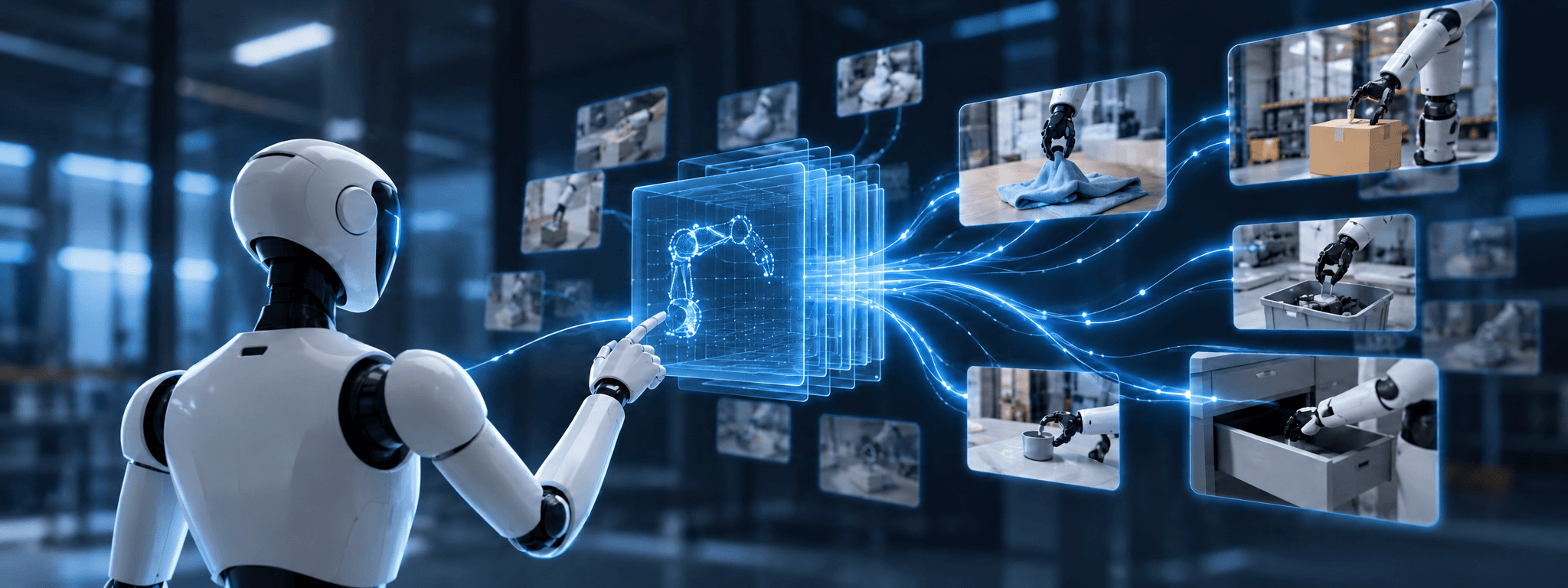

Manufacturing has become the next target for Bob McGrew, the former OpenAI chief research officer whose new company, Arda, emerged from stealth on October 20 with $232 million in total funding. The startup is developing AI software to help factories translate changing product designs into production instructions, a process that can take months when automated assembly lines need to be reconfigured.
Arda’s financing includes a reported $160 million Series A, with backing from Accel, Altimeter, Founders Fund and Khosla Ventures, among others. CNBC reported a valuation of $1.5 billion. The company’s official announcement puts total capital raised at $232 million, while some investor and media accounts round that figure to $230 million. Those totals should not be mistaken for the size of the latest financing round alone.
The software is already being used by defense technology manufacturer Anduril as part of its ArsenalOS manufacturing system. According to investor Accel, Arda has helped shorten the preparation of some assembly instructions from hours to minutes, with certain engineering workflows running more than ten times faster. Those are customer and investor-reported improvements, rather than independently audited production benchmarks.
McGrew’s argument is that manufacturing software has not kept pace with product development. Engineers can change a design quickly, but adapting the factory to build it often requires extensive manual work. Arda is starting with AI tools that support manufacturing engineers and operators, using a combination of proprietary, open-source and frontier models.
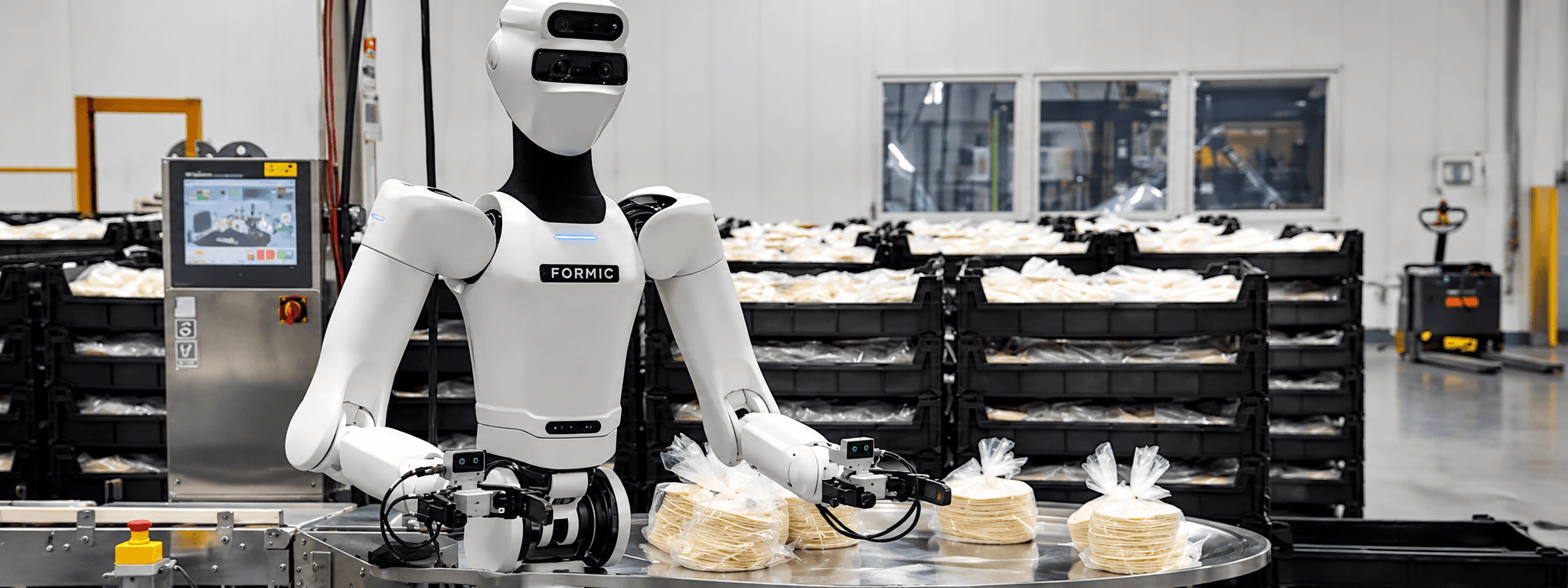
Robotics is part of the company’s longer-term roadmap, not a capability Arda has announced as commercially deployed today. Its stated ambition is to make automated assembly lines easier to reconfigure as products change. For industrial robotics, the immediate development is therefore an AI software company entering manufacturing with substantial financing and a named customer, rather than the launch of a new robot or robotics foundation model.