Prototype
3D Tissue



Developing next-generation manufacturing technology for compliant robotic bodies and humanoid hardware.
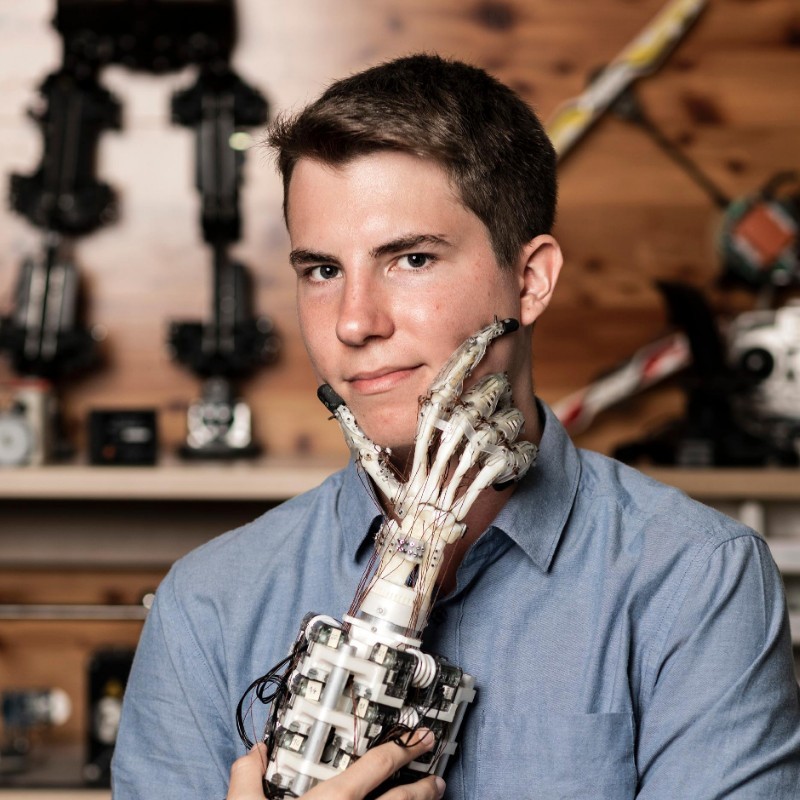
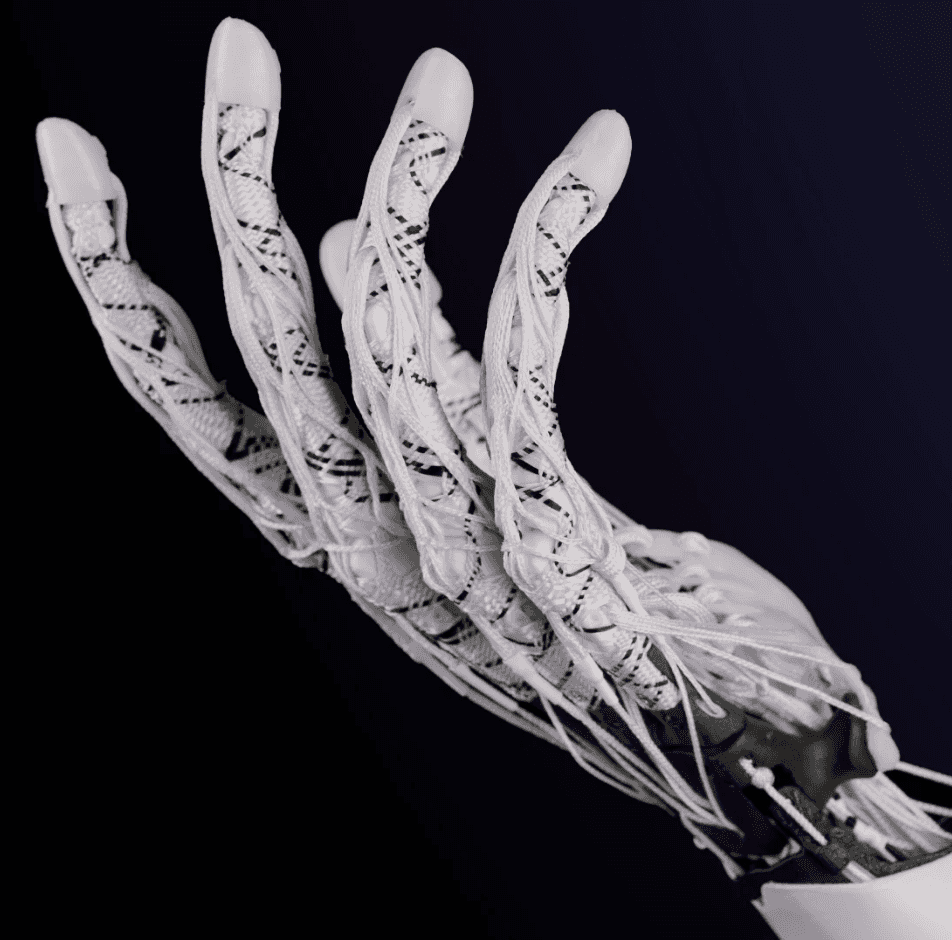
Allonic is a robotics hardware company based in Budapest, Hungary, founded in 2021. Rather than building complete robots, the company develops manufacturing technology for next-generation robotic bodies and limbs. Its core innovation, 3D Tissue Braiding, is designed to simplify how compliant robotic structures are produced by integrating mechanical structure, tendons, electrical wiring, and sensing into a single automated manufacturing process. By replacing complex, assembly-intensive production with scalable automated fabrication, Allonic aims to reduce the cost and complexity of building dexterous humanoid robots and other advanced robotic systems. The company’s technology is intended to serve as enabling infrastructure for the broader embodied AI and humanoid robotics industry.
Platform maturity, autonomy stack, and flagship-system specifications in one view.
A concise view of platform maturity and deployment footprint.
$7.2M
EU-Startups reported that Allonic was founded in 2021 to build a robotics hardware platform around 3D Tissue Braiding. The company positions the technology as a new way to manufacture integrated, compliant, bio-inspired robotic bodies through one automated process rather than through labor-intensive assembly.
By February 2026, EU-Startups said Allonic had been public about its technology since May 2025 and had already completed a first pilot project in electronics manufacturing. That milestone mattered because it showed the platform moving from a manufacturing thesis into an applied robotics workflow where conventional assembly-heavy designs struggle on versatility and cost.
In February 2026, Allonic announced a EUR 6 million pre-seed round led by Visionaries Club with participation from Day One Capital, Prototype, SDAC Ventures, TinyVC, and angel investors including OpenAI and Hugging Face. The company said the capital would be used to accelerate its braiding platform, expand engineering and operations, and support more pilots and early commercial deployments.