

**Hyundai is exploring a new path for commercializing robotics: using its existing dealership network to distribute Boston Dynamics robots, while Hyundai Capital studies financing options for robot purchases.**
Buying a humanoid robot could eventually look surprisingly similar to buying a car.
Hyundai Motor says its existing dealer network could potentially become a distribution channel for Boston Dynamics robots as the company prepares to scale its robotics business beyond research and limited deployments.
The idea was outlined during Hyundai Motor Company’s 2026 CEO Investor Day, where President and CEO José Muñoz described how the wider Hyundai Motor Group could bring together robot development, manufacturing, distribution, sales and financing under one ecosystem.
## From Building Robots to Selling Them
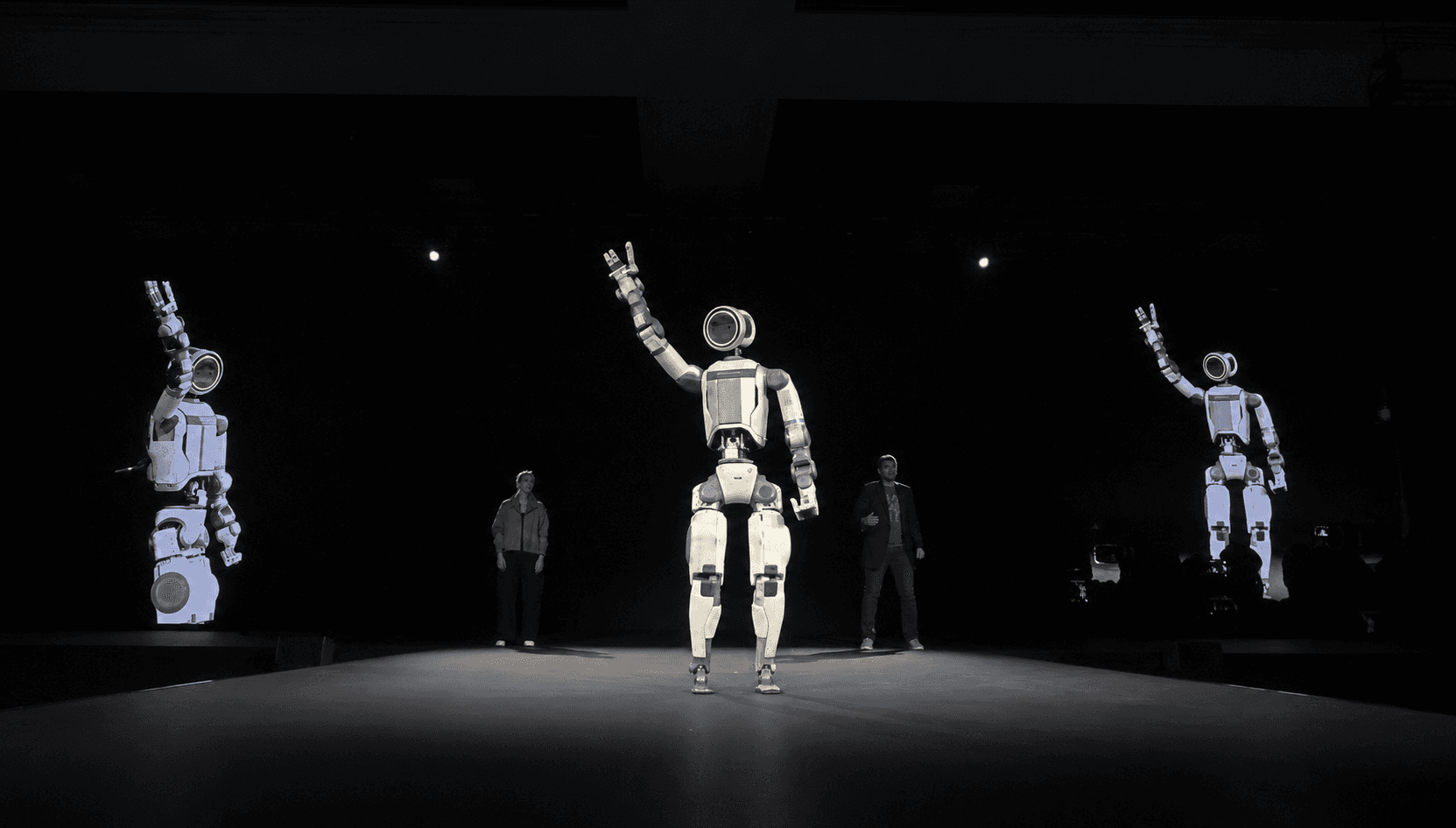
Boston Dynamics is already part of Hyundai Motor Group and currently produces robots including Spot and Stretch, while development of the commercial version of its Atlas humanoid continues.
Hyundai now appears to be thinking further ahead: not only about producing robots, but also about how customers could eventually access them.
The company said its dealer partners represent a potential distribution network for robot sales. Hyundai Capital is also exploring whether it could provide financing for robots, extending a model already familiar from the automotive business into robotics.
No final retail strategy has been announced, and Hyundai has not specified whether these future sales would primarily target businesses, consumers, or both.
Still, the concept could address an important challenge facing the robotics industry.
Developing an advanced robot is only one part of commercialization. Companies also need ways to sell, finance, service and support those machines once production begins.
Hyundai already has much of that infrastructure.
## Atlas Is Moving Toward Deployment
At the center of Hyundai’s humanoid robotics strategy is Boston Dynamics’ Atlas.
Hyundai plans to deploy Atlas at Hyundai Motor Group Metaplant America beginning in 2028, using its factories as an early environment for validating humanoid robots in real industrial operations.
The company is also expanding its Robot Metaplant Application Center in the United States. The facility recreates real manufacturing environments where robots can be trained, tested and verified before being deployed on production lines.
Hyundai says the center is expected to expand tenfold by the end of 2026.
This approach gives Boston Dynamics something many robotics startups do not have: access to large-scale factories where robots can generate real-world data and prove whether they can perform useful work reliably.
## Hyundai Wants to Become a Physical AI Company
The dealership idea is part of a much larger change in how Hyundai describes its future.
The automaker says it wants to become a **Physical AI company**, expanding beyond vehicles into robots, robotaxis and autonomous systems that combine artificial intelligence with machines operating in the physical world.
Hyundai has previously outlined plans to scale Atlas production significantly, with U.S. robot production expected to begin in 2028 and annual production capacity targeted at up to 30,000 units.
That scale would require more than manufacturing capacity.
If humanoid robots eventually become commercial products deployed across factories, warehouses and other workplaces, manufacturers will need systems for financing, distribution, maintenance and customer support.
Hyundai’s existing automotive infrastructure could potentially provide exactly that.
## A Different Kind of Robotics Advantage
Much of the humanoid robotics race has focused on AI models, dexterous hands, mobility and increasingly impressive demonstrations.
But commercialization could create a different kind of competition.
The winners may also need factories capable of producing robots by the thousands, established supply chains, financing options and a distribution network capable of reaching customers around the world.
Hyundai already operates much of that infrastructure for cars.
By combining it with Boston Dynamics’ robotics technology, the company could build a commercialization pipeline extending from robot development and training all the way to financing and sales.
It is still too early to know whether customers will actually walk into Hyundai dealerships to purchase humanoid robots.
But the fact that one of the world’s largest automakers is already thinking about how robots could be distributed and financed suggests the industry is entering a new phase.
The question is gradually shifting from **whether humanoid robots can be built** to **how millions of customers and businesses might eventually acquire them**.