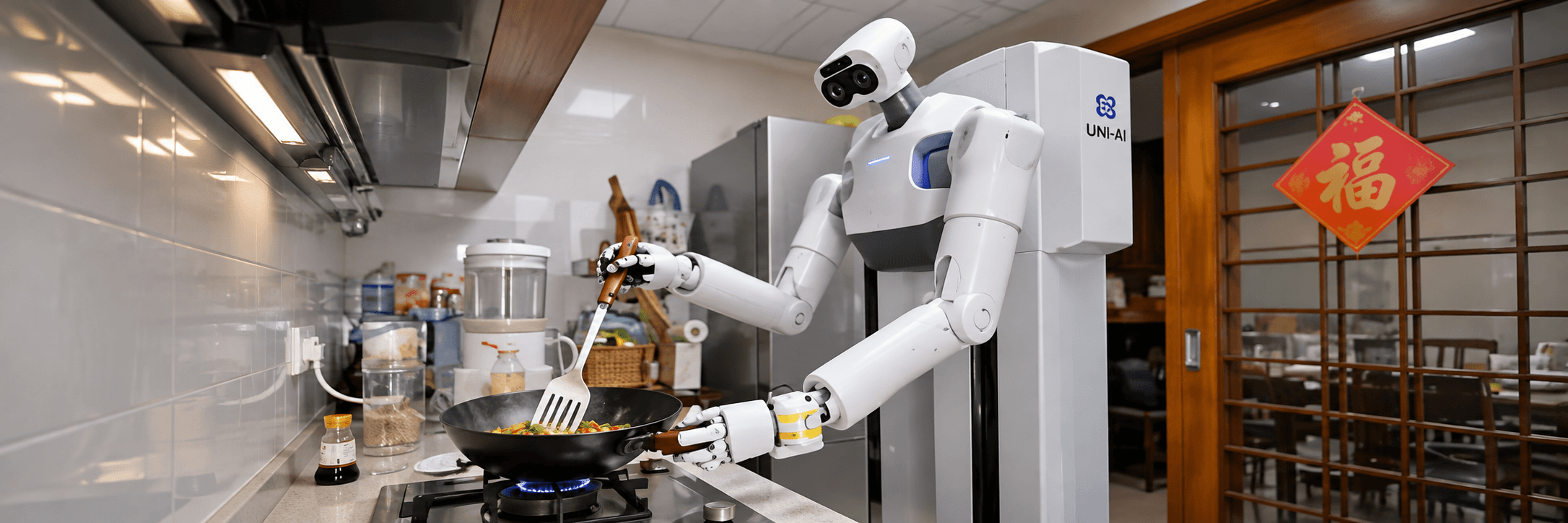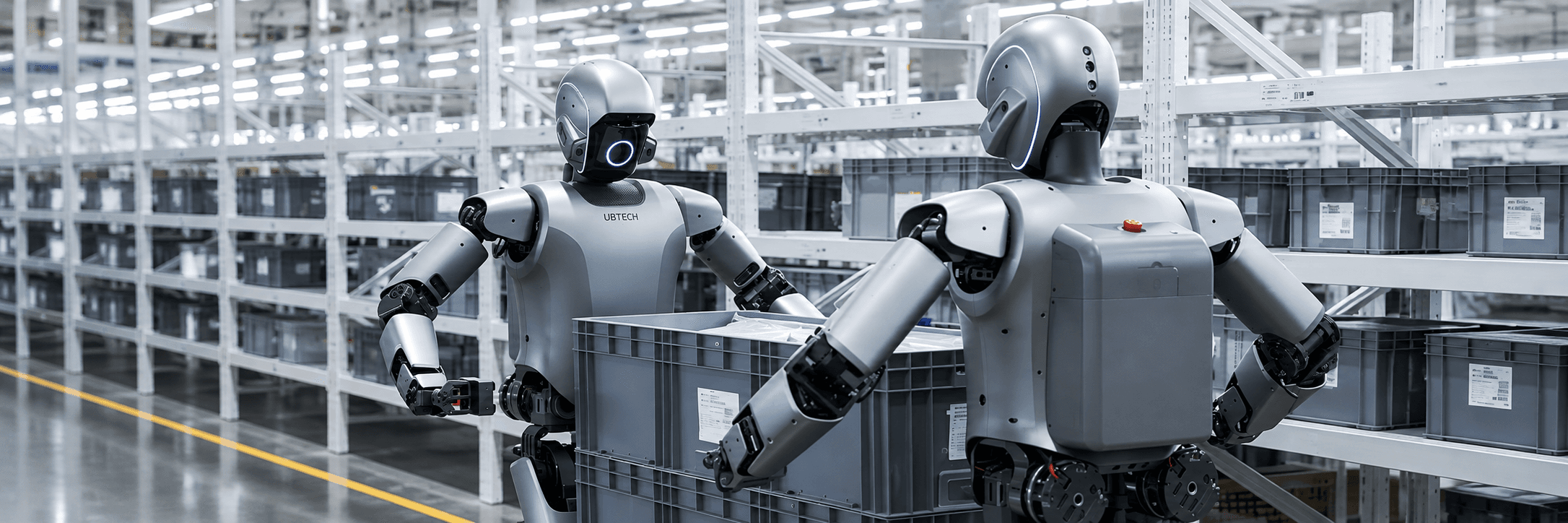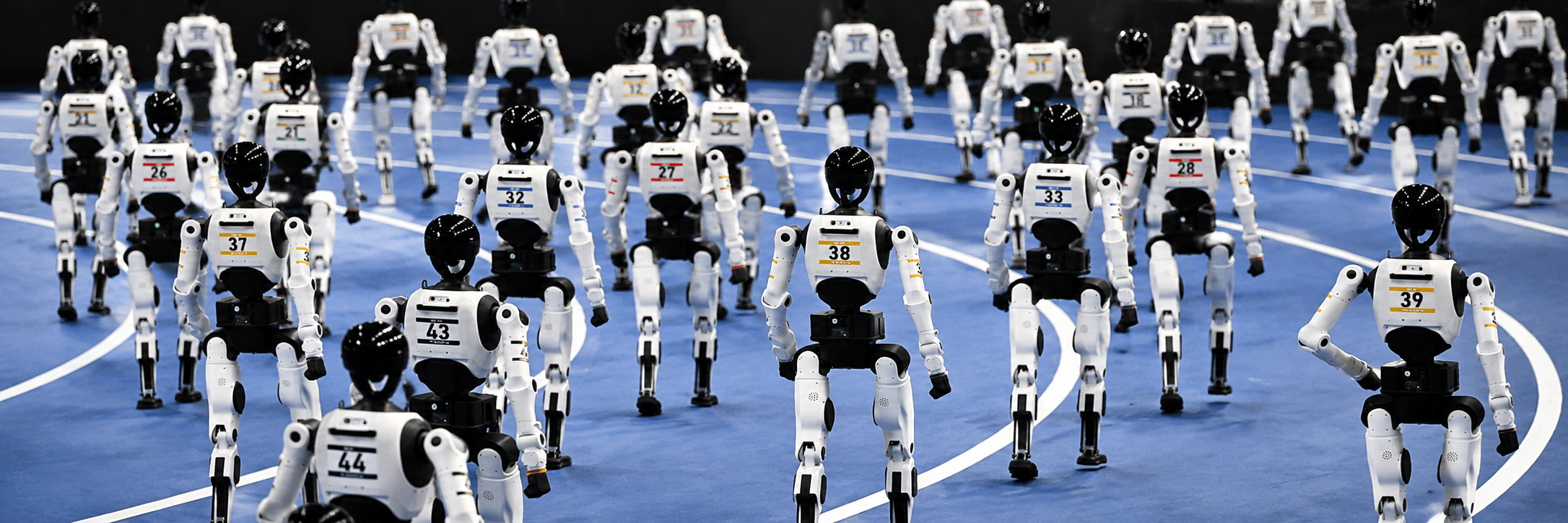

Beijing has issued a three-year action plan for embodied AI and robotics, setting a target of 200,000 robots in annual manufacturing capacity within the city and outlining measures to expand humanoid development, testing and industrial deployment by 2028.
The Beijing Municipal Bureau of Economy and Information Technology published the 2026–2028 plan on November 11, 2026. It aims to cultivate at least five internationally leading and ten nationally leading humanoid robot manufacturers, while positioning the Beijing–Tianjin–Hebei region to account for 25% of China’s robot manufacturing capacity and achieve more than 60% regional sourcing of key components.
The 200,000-unit figure is a target for annual production capacity across robot platforms, not an announced order, confirmed output or humanoid-only production commitment.
The plan also calls for at least 50 benchmark deployment scenarios: 20 in industry, 20 in services and 10 in specialized applications. Industrial priorities include manufacturing, warehousing, sorting, inspection and assembly. Service applications include healthcare, elder care, retail and public-facing assistance.
On the AI side, Beijing intends to support vision-language-action models, world models and reinforcement learning. Its data infrastructure goals include collecting more than one million hours of high-quality data from at least 100 real-world settings, alongside more than 50,000 PFLOPS of additional dedicated computing capacity.
The municipal government also proposes shared manufacturing and validation facilities, component research covering actuators, dexterous hands and tactile sensors, and a one-to-one support mechanism for robotics companies pursuing stock-market listings.
The policy took effect on November 11 and runs through the end of 2028. Its manufacturing, deployment and model-development numbers are government objectives rather than achieved results.