
Agility Robotics has cleared a major hurdle in its planned public listing after shareholders of Churchill Capital Corp XI approved the companies’ business combination on November 2. More than 84% of votes cast supported the transaction, putting the maker of the Digit humanoid on course to begin trading on Nasdaq under the ticker AGLT on November 5.
The companies expect to complete the merger and related financing on November 4, subject to remaining closing conditions. Approval follows months of regulatory filings and preparations for a transaction first announced in June, and removes one of the final formal obstacles to Agility becoming a publicly traded humanoid robotics company.
Agility expects approximately $465 million in gross capital from the transaction and associated financings, before expenses. That figure includes roughly $164 million remaining in Churchill XI’s trust account, a $201 million private investment in public equity led by Foxconn, and $100 million in equity funding already received since the merger was announced. The amount is lower than earlier projections because many Churchill shareholders chose to redeem their shares rather than participate in the combined company.
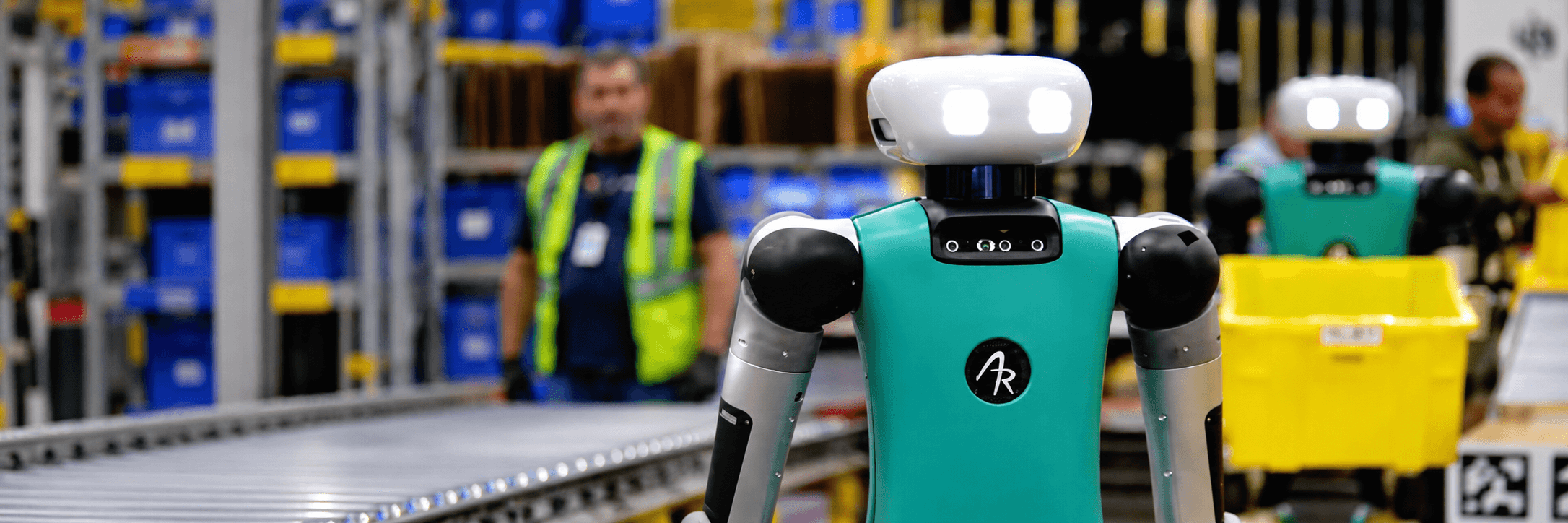
The shareholder vote comes as Agility prepares to expand commercial deployments of Digit, its bipedal robot designed for logistics and manufacturing work. The company has reported more than 65,000 hours of real-world operation across earlier Digit generations and has outlined plans to increase production and support for enterprise customers.
Agility has also disclosed more than $300 million in committed multi-year Digit 5 orders. That figure represents potential future contract value dependent on product and delivery milestones, rather than revenue already recognized. The distinction matters as investors evaluate a business still in the early stages of scaling commercial humanoid deployments.
A successful closing would give public-market investors direct exposure to a U.S. humanoid developer with operating customer deployments. It would also place greater scrutiny on the company’s manufacturing plans, contract conversion and financial performance as it works to turn early enterprise demand into sustained revenue.
The transaction has not yet closed, and the expected Nasdaq debut remains subject to the final conditions being satisfied.